Understanding UV Curing in Modern Printing
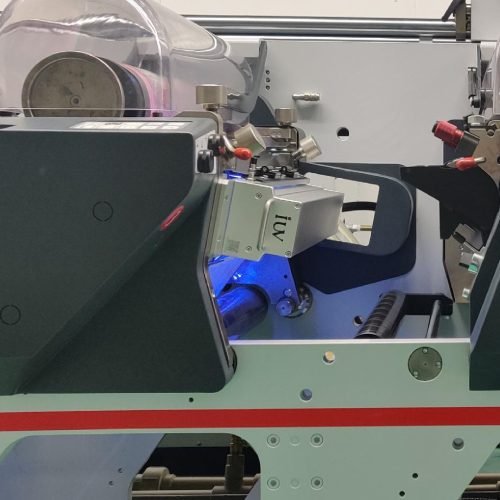
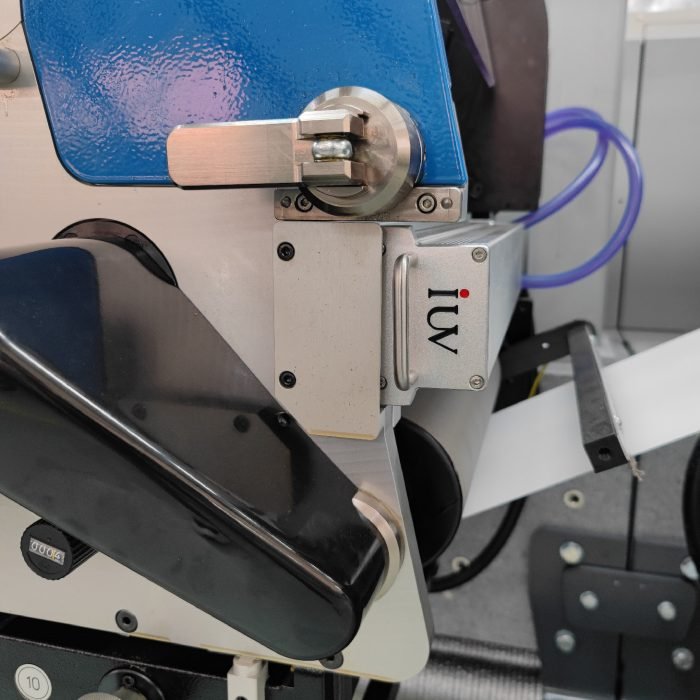
UV curing systems have transformed printing by accelerating production and enhancing quality. These systems use ultraviolet light to instantly dry inks, coatings, and adhesives. Unlike traditional drying methods, UV curing minimizes energy waste and reduces downtime. In offset printing, this technology ensures sharper images, vibrant colors, and improved durability.
How UV Curing Works in Offset Printing
Offset printing relies on transferring ink from a plate to a rubber blanket before reaching the substrate. UV curing integrates seamlessly into this process. When UV-sensitive inks are exposed to specific wavelengths, a photochemical reaction triggers immediate hardening. This eliminates solvent evaporation, reducing VOC emissions. Precise control over curing intensity prevents substrate warping, making it ideal for heat-sensitive materials like plastics or thin films.
Benefits of LED UV Technology
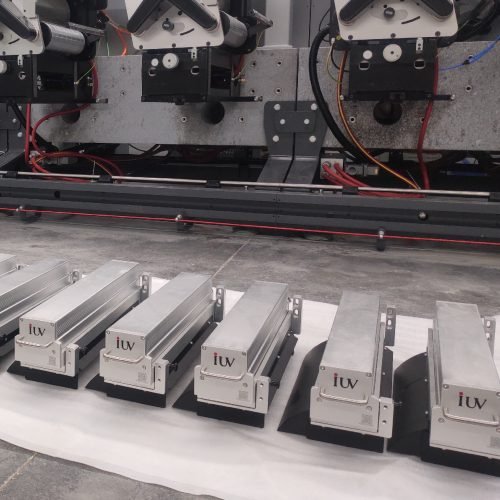
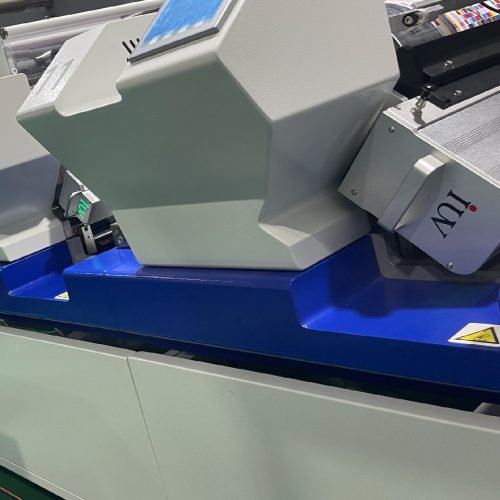
LED UV systems outperform traditional mercury-vapor lamps in multiple ways. They consume less energy, generate minimal heat, and have a lifespan exceeding 20,000 hours. LED lamps target narrow wavelength ranges (365-405 nm), optimizing ink curing without damaging substrates. Instant on/off functionality boosts efficiency in stop-start production environments. Printers using LED UV report 30-50% faster job turnover and lower maintenance costs due to fewer lamp replacements.
Applications in Label Printing
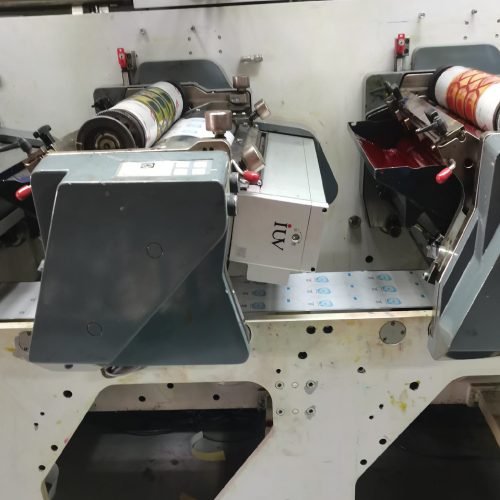
Label printing demands precision and durability, especially for products exposed to moisture or friction. UV-cured labels resist fading, scratching, and chemical exposure. LED UV systems enable high-speed production of labels on materials like polyethylene, polypropylene, and metallic films. The absence of heat allows thinner substrates to be used without distortion. Custom finishes, such as glossy or textured effects, are achievable by adjusting UV intensity during curing.
Flexographic Printing and UV Compatibility
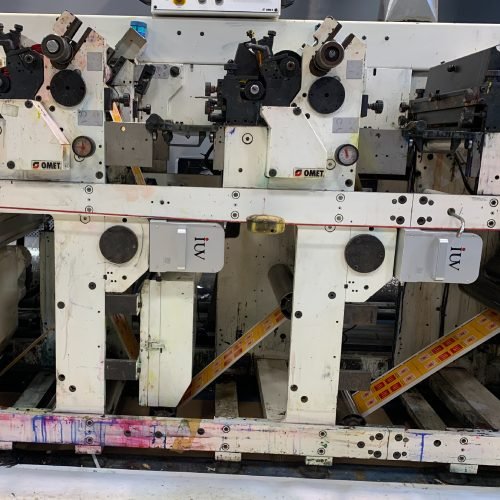
Flexo printing excels in packaging and large-scale runs. UV curing enhances this method by enabling faster print speeds and reducing ink consumption. Water-based UV inks are gaining popularity for eco-friendly packaging solutions. The quick curing process prevents dot gain, ensuring consistent print quality across long runs. Flexible photopolymer plates used in flexo printing remain undamaged under LED UV exposure, extending plate life.
Narrow Web Printing Efficiency
Narrow web printing focuses on small-format products like tags, tickets, or security documents. UV curing systems in this niche provide rapid drying for multi-layer prints, such as overcoatings or sequential numbering. LED UV’s compact design fits seamlessly into narrow web presses, saving floor space. Operators benefit from reduced waste since misfeeds or misalignments can be corrected immediately without waiting for ink drying.
Offset vs. Conventional Drying: Key Differences
Traditional offset printing uses heat or air drying, which slows production and limits substrate choices. UV curing removes these bottlenecks by solidifying inks in seconds. Printers can handle non-porous materials like synthetic paper or metalized stock without compromising adhesion. Additionally, UV-cured prints are ready for finishing processes (e.g., cutting, embossing) immediately, shortening overall project timelines.
Optimizing Curing for Different Substrates
Substrate compatibility is critical for successful UV curing. Porous materials like uncoated paper require lower UV intensity to prevent over-curing. Non-porous substrates like vinyl or glass need higher energy to ensure adhesion. Testing cure settings with a radiometer guarantees proper polymerization. Adjust lamp height and conveyor speed to accommodate material thickness—thicker stocks may need slower speeds for complete ink penetration.
Troubleshooting Common UV Curing Issues
Incomplete curing often stems from incorrect lamp intensity or outdated UV inks. Check lamp alignment and reflector cleanliness to maintain consistent output. If ink peels or cracks, verify that the substrate is free from contaminants like silicone or dust. Yellowing of cured prints may indicate excessive UV exposure; reduce intensity or use inhibitors in ink formulations. Regular maintenance of cooling systems prevents overheating in high-volume runs.
Future Trends in UV Curing Technology
Advancements in UV LED systems focus on broader wavelength ranges to cure diverse ink chemistries. Hybrid systems combining UV and electron beam (EB) curing are emerging for specialized applications. Sustainable practices drive demand for bio-based UV inks and recyclable substrates. As IoT integration grows, predictive maintenance tools will monitor lamp performance and automate adjustments, minimizing downtime.
Selecting the Right UV System for Your Press
Evaluate press speed, substrate variety, and budget when choosing a UV curing system. Modular designs allow scalability for future upgrades. Prioritize systems with adjustable intensity and wavelength controls for versatility. Partner with suppliers offering onsite training to optimize curing parameters. Energy-efficient models with real-time monitoring reduce long-term operational costs while supporting sustainability goals.
UV curing systems continue redefining offset printing capabilities across industries. By adopting LED UV technology, printers achieve faster turnaround, superior print quality, and expanded material options. Staying informed about emerging trends ensures businesses remain competitive in a rapidly evolving market.