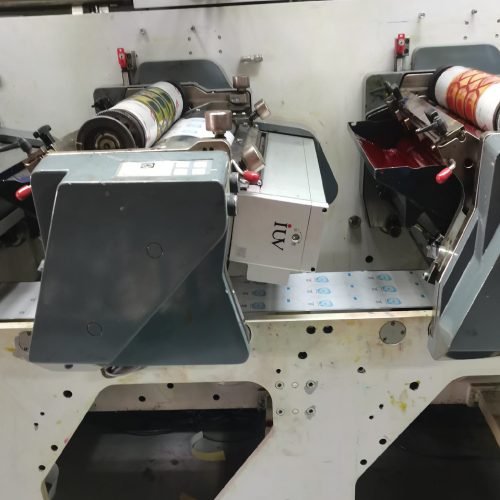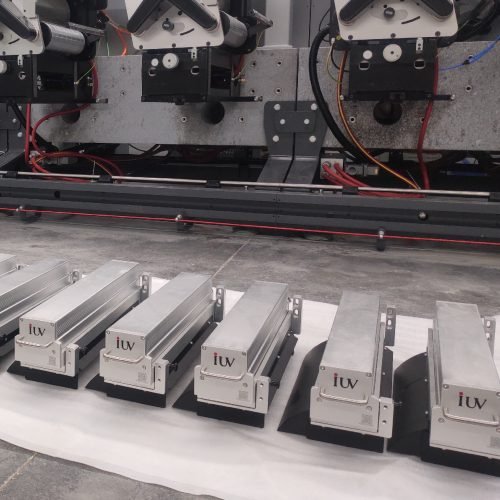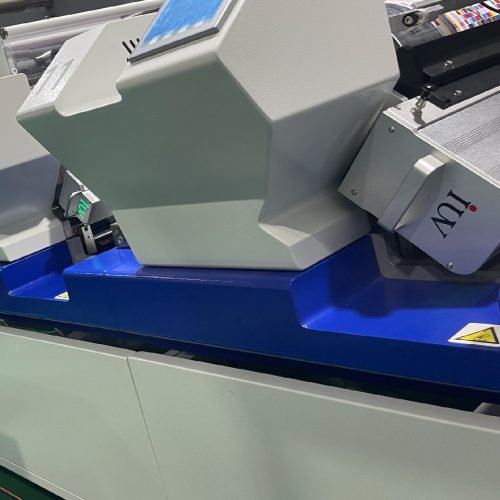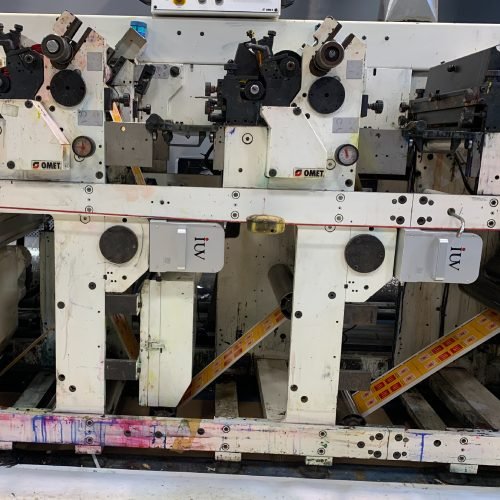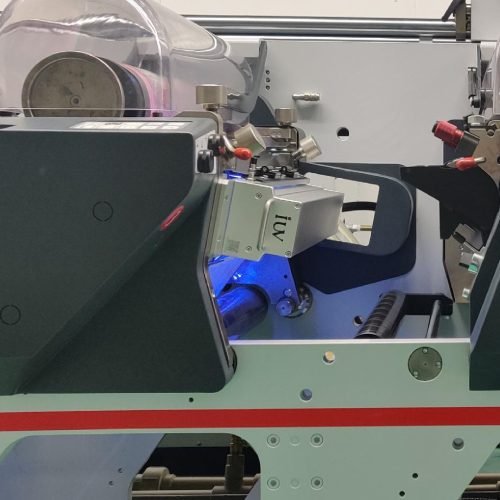
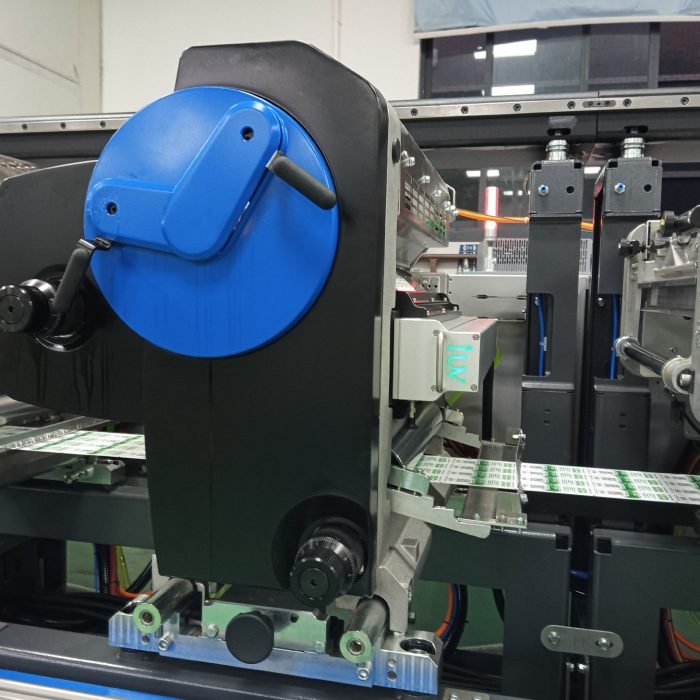
In label printing operations, achieving consistent curing results requires precise control of UV energy output. LED UV systems provide adjustable intensity settings to accommodate varying ink film thicknesses. Modern narrow web presses integrate real-time monitoring sensors that measure residual moisture levels and cross-linking completeness. This data feedback loop enables automatic adjustments to conveyor speeds and lamp outputs, maintaining optimal curing parameters across different substrate types.
Flexographic printers face unique challenges with water-based inks requiring specialized UV curing configurations. Dual-cure systems combining UV and thermal energy prove effective for achieving complete polymerization on porous materials. The latest LED arrays emit specific wavelengths matching photoinitiator absorption peaks in low-migration inks, crucial for food packaging applications. Proper nitrogen inerting systems prevent oxygen inhibition during curing, ensuring surface hardness meets abrasion resistance standards.
Offset lithography demands different approaches due to metal-backed plates and oil-based inks. High-intensity spot curing units have become essential for preventing set-off in sheet-fed applications. Advanced reflector designs in UV modules now achieve 95% energy efficiency, directing focused irradiation without compromising substrate integrity. Press operators must balance lamp life expectancy with spectral output consistency – modern systems provide degradation compensation algorithms to maintain curing performance over 10,000 operational hours.
Narrow web converters handling heat-sensitive films benefit from UV systems with adjustable peak irradiance. Pulsed curing technology prevents substrate distortion while ensuring proper ink adhesion. New developments in excimer lamp technology enable surface modification of polyolefin materials without chemical primers. This innovation significantly reduces pretreatment steps in label production while improving ink anchorage.
Ink formulation plays an equally critical role in curing optimization. Chemists now design hybrid resins that respond to multiple wavelength ranges, allowing compatibility with various UV sources. The emergence of cationic inks has expanded curing possibilities for thick film applications, though requiring precise moisture control during processing. Proper viscosity maintenance remains paramount – automated ink temperature regulation systems maintain optimal flow characteristics for different anilox configurations.
Substrate pre-treatment technologies have evolved to complement UV curing advancements. Atmospheric plasma systems create uniform surface energy profiles across polymer films, eliminating ink reticulation issues. Real-time corona treatment monitoring ensures consistent dyne levels before ink application. These developments prove particularly valuable in flexible packaging production where material inconsistencies frequently cause curing defects.
The relationship between ink pigment load and curing efficiency demands careful consideration. Metallic and white pigments require modified photoinitiator packages to compensate for UV light scattering. New nanoparticle additives enhance light penetration depth without affecting color density. Press-side viscosity adjustment stations now incorporate UV transmission analyzers, enabling operators to modify ink formulations based on real-time curing performance data.
Energy consumption remains a primary concern in UV system design. Latest-generation LED arrays reduce power requirements by 40% compared to traditional mercury vapor lamps while delivering superior irradiance uniformity. Intelligent cooling systems maintain optimal operating temperatures, extending component lifespan and preventing output fluctuations. Many facilities now integrate UV curing units with energy recovery systems that repurpose waste heat for substrate pre-drying processes.
Safety protocols continue evolving alongside UV technology advancements. Automated shutter systems and motion sensors prevent accidental UV exposure during maintenance procedures. Ozone-free lamp designs eliminate the need for complex ventilation systems in confined press areas. New polymer optical fibers replace traditional quartz light guides, reducing breakage risks and maintenance costs in complex curing configurations.
The future of UV curing lies in adaptive systems that automatically adjust to variable production conditions. Machine learning algorithms now analyze historical curing data to predict optimal parameters for new substrate-ink combinations. Wireless sensor networks monitor curing performance across multiple press units simultaneously, enabling centralized process optimization. These developments help converters maintain quality standards while reducing material waste and energy consumption.
Process validation remains critical in regulated industries like pharmaceutical packaging. New UV dose mapping techniques create detailed curing profiles for audit trails. Portable spectroradiometers verify system outputs meet specified curing requirements across the entire web width. This documentation capability proves essential for compliance with evolving safety and quality standards in global markets.
As substrate diversity increases across printing sectors, the importance of customized UV curing solutions grows proportionally. Modular system designs allow quick reconfiguration for different production runs. Partnerships between ink manufacturers and UV equipment providers now yield optimized packages for specific application requirements. This collaborative approach reduces trial-and-error periods when implementing new materials or processes.
The transition to sustainable production methods drives innovation in UV curing technology. Bio-based photoinitiators derived from renewable sources now match petroleum-based counterparts in performance. Water-cooled LED systems eliminate glycol-based coolant requirements, simplifying maintenance and reducing environmental impact. These advancements help printing facilities meet increasingly stringent environmental regulations while maintaining production efficiency.
Workflow integration remains a key focus area for UV system developers. Modern interfaces allow direct communication between curing units and press control systems. This connectivity enables automatic parameter adjustments during job changeovers and substrate transitions. Remote diagnostics capabilities reduce downtime through predictive maintenance alerts and virtual technician support.
In specialty printing applications, UV curing parameters must account for unique material properties. Textile printers using UV-curable pigments require modulated curing profiles to prevent fabric scorching. Three-dimensional surface printing applications benefit from rotating UV arrays that maintain consistent irradiation angles across contoured substrates. These specialized solutions demonstrate UV technology’s adaptability to diverse printing challenges.
The relationship between curing parameters and final product performance continues to be refined. Accelerated aging tests now correlate UV dose levels with long-term adhesion properties. This data informs development of application-specific curing protocols that balance production speed with product durability requirements. Such research-based approaches help converters justify equipment investments through quantifiable quality improvements.
Ongoing material science breakthroughs promise to expand UV curing applications further. Self-matting ink formulations eliminate post-curing texture processes through controlled light diffusion during polymerization. Conductive UV inks enable printed electronics integration with traditional decoration processes. These innovations open new market opportunities for printers willing to adopt advanced curing technologies.