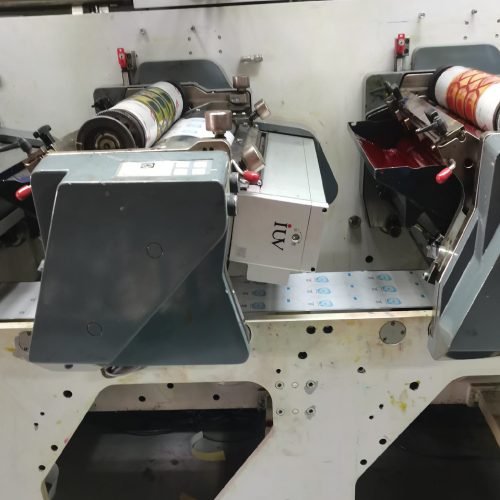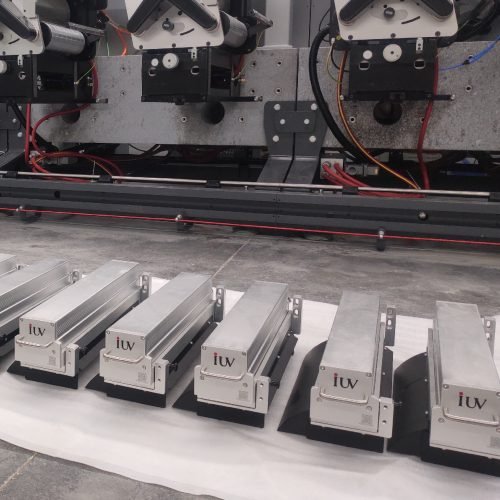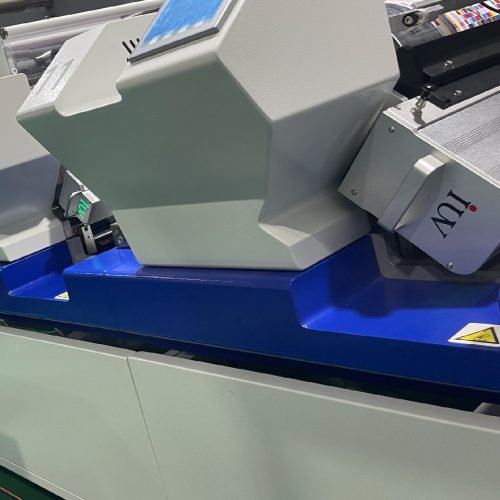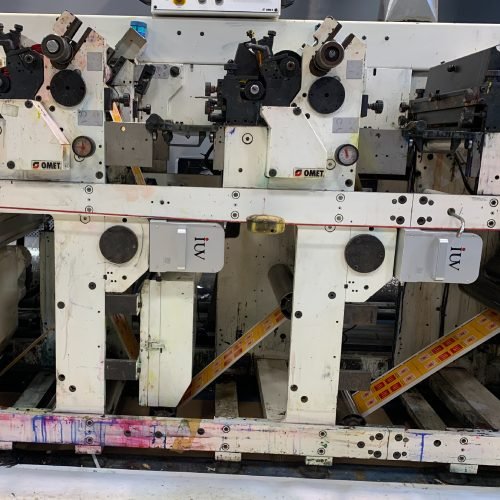
For any printer integrating UV curing, one of the most critical technical decisions is selecting the appropriate energy density for your system. This specification, measured in Watts per square centimeter (W/cm²), defines the peak irradiance a UV lamp can deliver at the focal plane. It directly dictates your maximum production speed, the types of inks and coatings you can cure, and the substrates you can successfully print on. With common industry offerings clustered around 18W/cm², 25W/cm², and 30W/cm², making the right choice is not about picking the highest number, but about matching the light engine’s capability to your specific production reality. This guide will walk you through the engineering logic behind each tier, helping you optimize for performance, cost, and future flexibility.
Understanding the Core Metric: What Does W/cm² Really Mean?
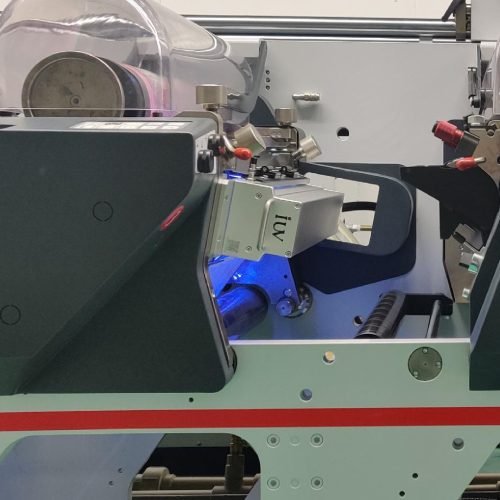
UV energy density, or peak irradiance, is the maximum intensity of UV light hitting the substrate surface. Think of it as the “pressure” of photons available to initiate the photopolymerization reaction within the ink film. A higher W/cm² rating means more photons are delivered per second, allowing for a faster chemical cross-linking process. This enables you to either increase press speed while maintaining cure quality or to cure thicker, more challenging ink layers at your standard speed. However, higher power demands more sophisticated thermal management and optical design to maintain stability and uniformity across the web, which is why systems like IUV employ advanced water-cooling and precision quartz lenses to achieve performance gains of over 20%.
The 18W/cm² Tier: The Efficient Workhorse for Standard Applications
An 18W/cm² LED UV system is a robust and highly efficient solution for a wide range of mainstream applications. It is perfectly suited for many narrow-web label presses and slower to mid-speed sheet-fed offset jobs where production speeds typically do not exceed 150-180 meters per minute. This energy level effectively cures standard CMYK process inks, many spot colors, and basic clear coatings on common substrates like coated papers, PP, and PET films. Its significant advantage lies in operational economy. These systems generally have a lower initial investment and, due to their optimized power draw, contribute strongly to the up to 70% energy savings promised by LED technology. For printers transitioning from mercury lamps for environmental and maintenance reasons, but without extreme speed requirements, the 18W/cm² tier offers an excellent balance of performance and value.
The 25W/cm² Tier: The Versatile Performer for High-Speed and Complex Jobs
When your production schedule demands higher throughput or involves more complex formulations, stepping up to 25W/cm² becomes necessary. This is the sweet spot for modern, high-performance narrow-web and many wide-web flexo presses aiming for speeds of 200-250 m/min. The extra photon “pressure” ensures complete through-cure of high-opacity white inks, heavy laydowns of varnish, and specialized low-migration inks used in food and pharmaceutical packaging. It provides a crucial safety margin, preventing under-cure during sudden speed ramps or when printing on less forgiving materials. From a system design perspective, achieving stable 25W/cm² output requires high-density LED arrays paired with efficient hybrid cooling solutions to manage the increased thermal load, ensuring the long-term reliability and consistent ±3% curing uniformity demanded in premium packaging work.
The 30W/cm² Tier: The Industrial Powerhouse for Extreme Demands
The 30W/cm² benchmark is reserved for the most demanding industrial printing environments. This ultra-high energy density is engineered for wide-web flexographic presses pushing speeds of 300 m/min and beyond. It is essential for instantly curing exceptionally thick ink films, dense silicone coatings, or advanced adhesive layers where any delay would cause offsetting or blocking. This tier also future-proofs your operation against next-generation, highly-pigmented or filled ink systems. Deploying such power is an engineering challenge, necessitating the most advanced thermal management—like IUV’s compact dual-mode water-air cooling—to dissipate intense heat within the confined space of a press frame. The investment is justified by the ability to unlock ultimate productivity, minimize waste at blistering speeds, and tackle specialty applications competitors cannot.
Critical Factors Influencing Your Selection Beyond the Number
Choosing between these tiers involves a detailed audit of your current and near-future production profile. Consider these factors systematically:
- Primary Press Type & Speed: A narrow-web label press running at 120 m/min has different needs than a 2-meter wide flexo line for flexible packaging. Match the energy density to your machine’s realistic top operating speed.
- Ink & Chemistry: Consult your ink supplier. Confirm if their standard LED inks are formulated for 18W/cm² or require 25W/cm² for full performance. Low-migration and specialty inks almost always demand higher densities.
- Substrate Portfolio: Non-porous, heat-sensitive films like PE require fast, “cold” cure to prevent distortion. Higher W/cm² delivers the necessary energy in a shorter dwell time, minimizing heat transfer.
- Cooling System Integration: Can your press area support the required chiller and plumbing for a high-power water-cooled system? Verify spatial and utility constraints upfront.
- Total Cost of Ownership (TCO): While a 30W/cm² system costs more initially, its ability to slash cycle times and reduce waste may offer a better ROI for high-volume runs than a cheaper, slower-curing alternative.
The Smart Choice: Modularity and Interchangeability
Market uncertainty makes flexibility invaluable. The most strategic investment is often in a platform that offers interchangeability between LED and mercury lamp modules. This allows you to standardize on a high-performance 25W/cm² or 30W/cm² LED system for 95% of your work. For the remaining 5%—perhaps a legacy job using a unique, non-LED compatible ink—you can temporarily switch to a mercury lamp module without halting production. This hybrid approach, supported by intelligent controls that manage both technologies, eliminates the “either-or” dilemma. It protects your productivity today while giving you the freedom to adopt future LED advancements seamlessly, ensuring your curing investment remains relevant and productive for decades.
Conclusion: A Strategic Decision for Competitive Advantage
Selecting the correct UV energy density is a foundational business decision disguised as a technical specification. It determines your plant’s maximum output capability, your eligibility for lucrative niche markets, and your long-term operational costs. By carefully evaluating your speed requirements, ink systems, and material mix against the clear performance profiles of 18W/cm², 25W/cm², and 30W/cm² tiers, you move from guesswork to informed strategy. Partnering with a technology provider that offers precise optical design, robust cooling, and modular future-proof architecture turns this critical purchase into a lasting competitive edge, driving efficiency, quality, and profitability in every print job you run.