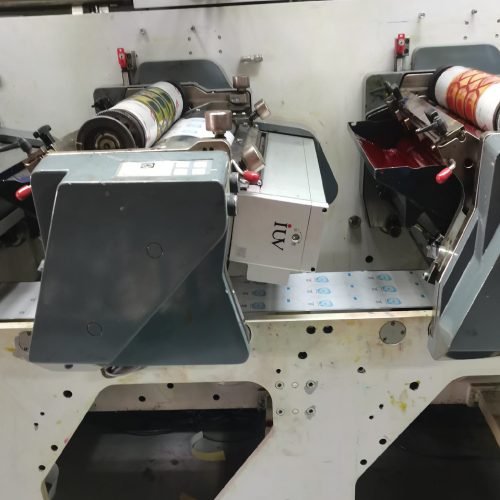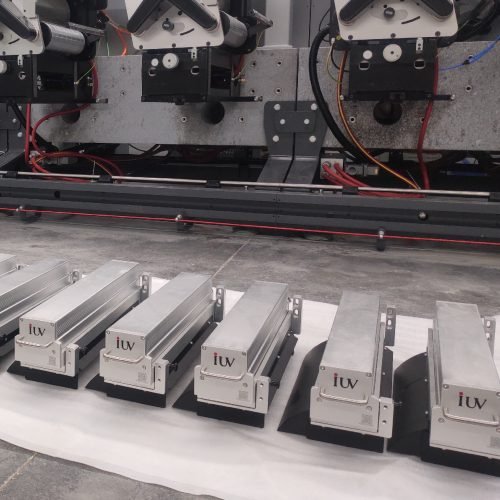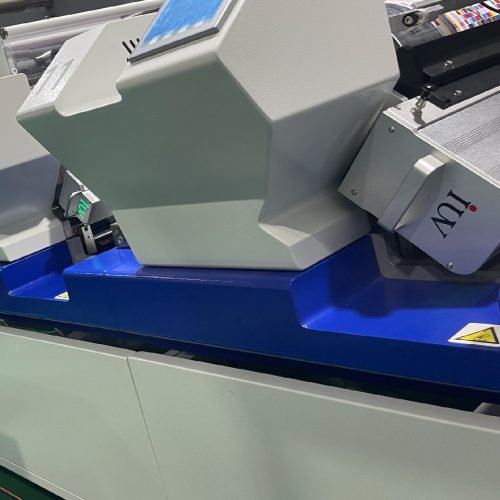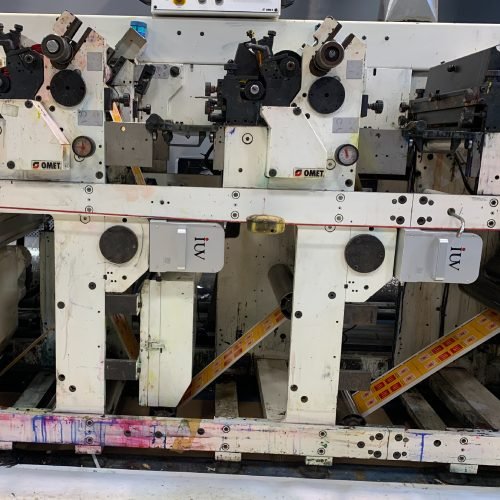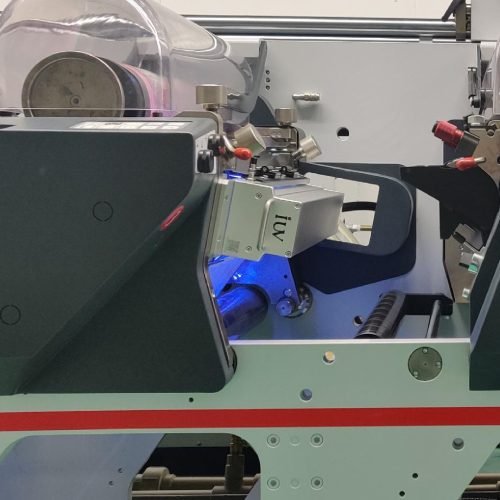
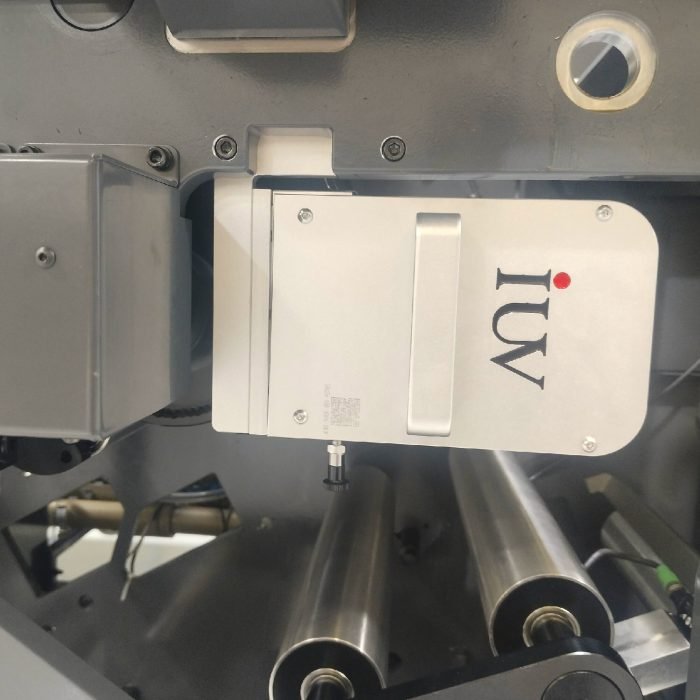
In modern label and narrow web printing, UV LED curing performance is often discussed in terms of lamp power, wavelength selection, or cooling efficiency. Yet one of the most overlooked engineering factors behind stable curing is reflector geometry. Even when the LED array itself is powerful and thermally stable, poor optical design can waste usable energy before it ever reaches the ink film. For converters running flexographic, hybrid offset, and narrow web UV production, optimizing reflector geometry is one of the most effective ways to increase peak irradiance without simply increasing electrical load.
In production reality, the curing result is determined by how efficiently photons are delivered to the printed surface at the correct angle, density, and distribution. That makes reflector geometry a process-critical design variable rather than a secondary hardware detail. In UV LED curing systems used for labels, shrink sleeves, pressure-sensitive materials, and narrow web packaging, reflector shape directly affects cure speed, dot stability, adhesion, gloss, and surface consistency.
For printers seeking faster throughput and more reliable curing windows, understanding reflector geometry can lead to better curing performance with lower thermal stress and fewer process compromises.
Why Reflector Geometry Matters in UV LED Curing
A UV LED array does not emit usable energy only in a straight downward path. Each diode produces light in a controlled but still divergent emission pattern. If that light is not directed properly, a significant portion of the optical output can miss the target zone, spread too broadly, or lose useful intensity before reaching the substrate.
This is where reflector geometry becomes essential. The reflector system shapes, redirects, and concentrates the emitted optical energy into the working cure zone. In label printing, that zone is often narrow, fast-moving, and highly sensitive to even small variations in irradiance. A reflector that is too shallow may spread the energy excessively. A reflector that is too aggressive may create a narrow hot spot with weak shoulder coverage. In both cases, the result is reduced curing efficiency where it matters most.
Peak irradiance is not simply a function of how much power is generated. It is also a function of how effectively that power is optically focused onto the ink, coating, or varnish layer.
The Difference Between High Power and High Usable Irradiance
Many press operators assume that if a UV LED curing system has higher nominal wattage, it will automatically produce better curing. In practice, this is not always true. A poorly optimized optical path can cause a high-output LED system to deliver less effective curing performance than a lower-powered system with better reflector geometry.
Usable irradiance depends on how much optical energy reaches the substrate within the active cure window. If the reflector design allows too much spill, too much lateral scatter, or too much edge loss, the system may consume significant power while still underperforming on press.
This distinction becomes especially important in narrow web flexographic printing where ink laydown, print width, and press speed often push the curing system close to its practical limits. In such conditions, optical efficiency can be just as important as raw electrical power.
Why Narrow Web and Label Printing Demand Better Optical Control
Label printing creates a particularly demanding environment for UV LED curing. Jobs often include dense solids, fine type, reverse text, opaque whites, matte or gloss coatings, and multiple wet-on-wet color layers. These structures require not only sufficient dose, but also stable peak irradiance at the exact point of cure.
If the reflector geometry is not matched to the process, several problems can develop. Ink surfaces may cure unevenly, high-density areas may struggle to fully polymerize, and narrow highlight regions may behave differently from solid image zones. These issues are even more pronounced when running films, heat-sensitive facestocks, or pressure-sensitive label materials that cannot tolerate excessive thermal load.
In premium narrow web environments, including advanced Gallus-oriented label production workflows, optical precision is often the difference between a curing system that merely runs and one that truly supports high-value print quality.
How Reflector Shape Influences the Cure Zone
Reflector geometry affects not only the intensity of the UV LED output, but also the shape of the optical footprint on the substrate. This footprint determines where the energy is concentrated and how long a moving ink film remains within the effective cure zone.
A narrow and sharply focused reflector may create high peak irradiance, which is beneficial for fast polymerization and demanding ink systems. However, if the focus is too tight, the cure window may become too short or too unforgiving for real production conditions. Slight substrate flutter, web movement, or standoff variation can then cause noticeable performance instability.
A broader reflector geometry, by contrast, may provide a wider cure footprint and greater process tolerance. This can improve consistency across variable substrates and changing production speeds, but if it spreads the optical energy too much, peak irradiance may fall below the level needed for reliable curing.
The goal is not to create the most concentrated beam possible. The goal is to create the most effective optical distribution for the intended press conditions.
Reflector Geometry and Working Distance Must Be Treated Together
One of the most common mistakes in UV LED system design is evaluating reflector geometry without considering the actual working distance between the curing head and the substrate. Reflector performance is never independent of standoff distance. A reflector that performs well at one geometry may behave very differently when mounted higher or lower on the press.
In flexographic and offset label printing, this is highly relevant because curing heads are often installed around space constraints created by chill rolls, print decks, die stations, or web handling assemblies. If the optical design is not optimized for the true installed distance, a theoretically efficient reflector can become inefficient in practice.
A reflector geometry that is well matched to the real press layout will deliver stronger and more stable irradiance to the printed surface. A mismatch, even with a strong LED array, can produce unnecessary energy loss and inconsistent curing performance.
Why Edge Performance Is Often a Reflector Problem
When converters see weaker cure at the edges of the web, the first suspicion is often diode inconsistency or electrical imbalance. While these are possible causes, edge weakness is frequently linked to reflector geometry and optical field shaping.
If the reflector design does not support uniform lateral energy distribution, the center of the lamp may appear strong while the outer lanes receive less effective optical density. This becomes especially problematic in label printing where multiple lanes, edge graphics, or full-width coating applications depend on stable curing from side to side.
Reflector geometry must therefore be evaluated not only for peak center irradiance, but also for how well it preserves usable intensity across the full active print width. In narrow web production, edge performance is not a minor detail. It is part of the core curing requirement.
Surface Finish and Reflective Quality Also Matter
Reflector geometry alone does not determine performance. The optical surface quality of the reflector also plays a major role in how effectively UV energy is redirected. Even a well-designed reflector profile can lose efficiency if the surface finish is too diffuse, contaminated, oxidized, or poorly maintained.
In UV LED curing systems, reflective behavior must remain stable over time under production heat, dust exposure, ink mist, and maintenance handling. A reflector with the right shape but degraded optical finish may scatter energy unpredictably, reducing both peak irradiance and process consistency.
This is why reflector optimization should always be treated as a combination of shape, material stability, surface quality, and maintenance discipline. In real pressrooms, optical contamination can quietly erode curing performance long before operators notice a major production issue.
Matching Reflector Geometry to Ink Chemistry and Application Type
Not every print application benefits from the same optical concentration strategy. Ink chemistry, coating thickness, substrate type, and press speed all influence what kind of reflector behavior is most effective.
For example, a system intended for fine flexographic line work on paper labels may benefit from a different irradiance profile than one designed for high-opacity white on filmic substrates. A UV varnish application may require different optical emphasis than a process color deck running fine halftones. In hybrid offset label production, where ink rheology and layer structure differ from flexo, the optical demands can shift again.
This means reflector geometry should not be treated as a universal fixed solution. It should be selected and optimized according to the real application mix the curing system is expected to support.
The Link Between Reflector Geometry and Cure Depth
Peak irradiance is often associated with surface cure, but reflector geometry also influences cure depth. In LED UV printing, especially with pigmented or high-density inks, the objective is not only to harden the top surface quickly but to deliver enough usable energy into the ink structure to support stable polymerization throughout the film.
If the reflector creates a strong but overly shallow energy concentration, the top layer may cure rapidly while the underlying structure remains less fully crosslinked. This can produce acceptable initial appearance while still leading to adhesion weakness, reduced rub resistance, or later converting problems.
A more balanced reflector geometry can sometimes improve overall curing behavior by combining sufficient peak intensity with a usable exposure footprint that supports more complete energy delivery into the ink layer.
Reflector Optimization Can Improve Efficiency Without Raising Heat Load
One of the most valuable benefits of reflector optimization is that it can improve curing performance without simply increasing lamp power. In heat-sensitive label production, this is a major advantage.
If the system can deliver more usable irradiance to the ink through better optical control, the press may achieve target cure performance at lower electrical input or with a wider process margin. This helps reduce unnecessary thermal stress on facestocks, adhesives, liners, films, and other sensitive constructions.
For narrow web converters running demanding materials, this is often a better engineering path than attempting to solve every curing issue by pushing more power into the system. Better optical efficiency usually produces a more stable and sustainable result than brute-force energy escalation.
How to Evaluate Whether Reflector Geometry Is Limiting Performance
In production, reflector-related inefficiency often shows up through symptoms rather than obvious hardware failure. A press may require unexpectedly high power settings to achieve cure. Edge lanes may behave less consistently than center lanes. Gloss may vary across the web. Cure may become unstable when speed increases, even though the LED array appears to be functioning normally.
When these conditions appear, the optical path should be evaluated as seriously as the electrical and thermal systems. Measuring irradiance across the web, checking the cure footprint, inspecting reflector surfaces, and verifying the actual installed geometry can reveal whether the system is using its optical energy efficiently.
In many cases, the LED array itself is not the limiting factor. The real constraint is how the emitted energy is being directed toward the substrate.
Why Reflector Design Is Especially Important in Retrofitted Presses
Reflector geometry becomes even more important when UV LED curing systems are retrofitted onto existing flexographic or hybrid label presses. In these cases, the curing head often has to fit within mechanical spaces originally designed for conventional UV or for entirely different station layouts.
This can force compromises in mounting height, angle, shielding, or airflow path. If reflector design is not adapted to those real-world constraints, the curing system may lose a significant portion of its potential efficiency after installation.
That is why retrofitted narrow web systems should never rely on electrical specifications alone. The optical geometry must be engineered around the actual press environment. This is especially relevant for converters integrating LED UV technology into established production ecosystems that may include Gallus-compatible workflow expectations, advanced finishing sequences, and high print consistency requirements.
Reflector Geometry as a Competitive Production Variable
For many printers, reflector design still sounds like a component-level engineering topic rather than a production-level performance driver. In reality, it has a direct effect on speed, quality, waste, and process reliability.
A curing system with optimized reflector geometry can often run cleaner, faster, and more consistently across a broader application range. It can reduce cure-related troubleshooting, improve ink performance stability, and provide more usable process headroom when switching between different label constructions or ink sets.
In a competitive label market where print quality and uptime matter equally, that kind of process advantage is not theoretical. It becomes visible in daily production.
Conclusion
Optimizing reflector geometry for peak irradiance in UV LED curing systems is one of the most effective ways to improve curing efficiency in modern label and narrow web printing. It directly affects how much useful optical energy reaches the ink film, how stable that energy remains across the web, and how reliably the curing process supports real production demands.
In flexographic printing, hybrid offset workflows, UV varnishing, and narrow web label applications, reflector geometry should never be treated as a passive hardware detail. It is a central part of optical performance, curing consistency, and press productivity.
When converters evaluate curing systems with the same attention they give to ink, anilox, substrate, and press mechanics, reflector optimization becomes a practical route to stronger irradiance, better print quality, and more reliable LED UV production.