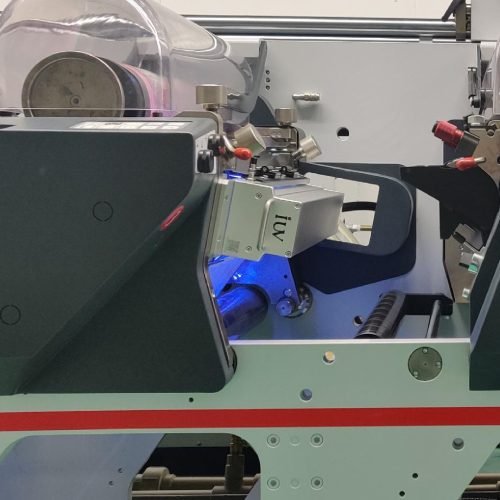
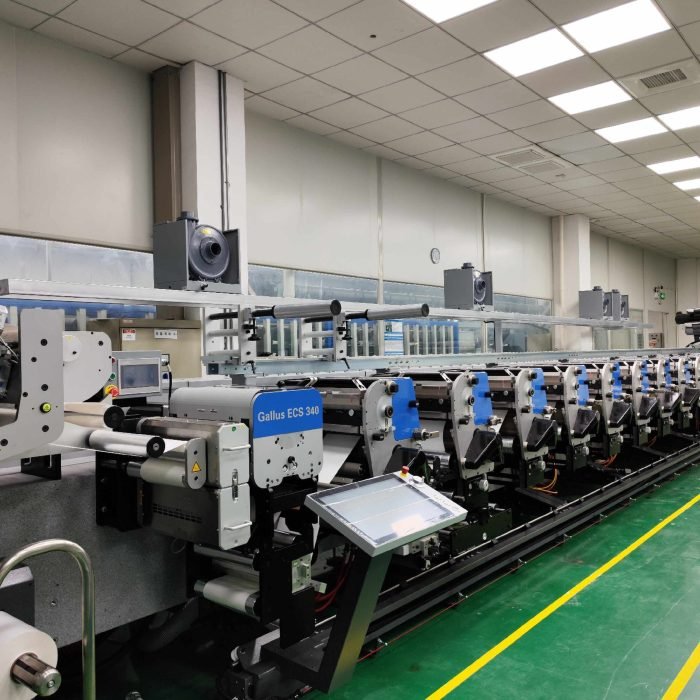
The shift toward LED curing systems in flexo printing isn’t just a trend—it’s a strategic upgrade reshaping how labels, packaging, and narrow-web products are manufactured. Unlike traditional UV curing methods, LED technology delivers precise energy output, slashing downtime and energy costs while maintaining consistent print quality. Let’s break down why this innovation is becoming non-negotiable for forward-thinking print operations.
Energy Efficiency Meets Precision Traditional mercury-vapor UV lamps waste energy by generating broad-spectrum light, much of which isn’t absorbed by inks or coatings. LED systems emit targeted wavelengths (typically 365-405 nm), aligning perfectly with photoinitiators in UV-curable formulations. This specificity reduces energy consumption by up to 70%, a critical advantage for facilities running high-volume jobs in label or narrow-web printing. Less heat generation also means substrates like thin films or heat-sensitive materials stay dimensionally stable, minimizing waste from warping or curling.
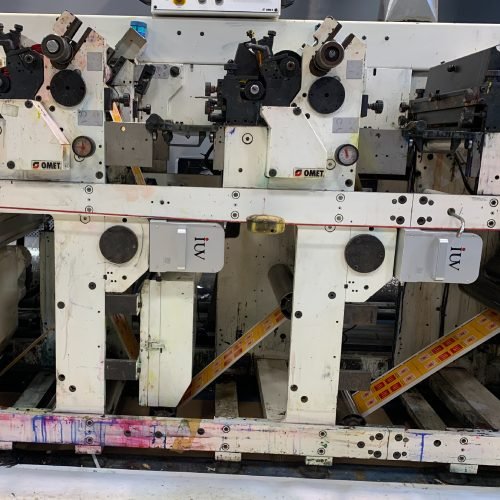
Speed Without Compromise In flexo printing, faster curing translates directly to higher throughput. LED units achieve full curing in milliseconds, allowing presses to ramp up speeds without risking incomplete drying or offsetting. For water-based or solvent inks, drying ovens still dominate, but UV-LED hybrid setups are gaining traction. By integrating LED curing units after each print station, manufacturers can eliminate interstation drying delays, pushing press speeds beyond 200 meters/minute for applications like shrink sleeves or pressure-sensitive labels.
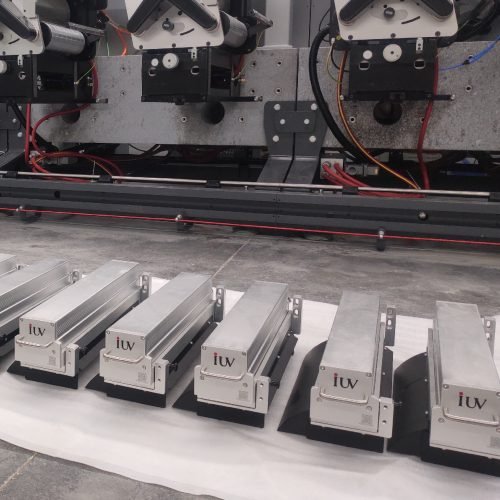
Downtime? Not Anymore Mercury lamps degrade over time, requiring frequent replacements and recalibration. LED modules boast lifespans exceeding 20,000 hours—roughly 5-7 years of standard operation. This reliability is a game-changer for flexo printers juggling tight deadlines. No more production pauses for bulb changes or output adjustments mid-run. Plus, instant-on capability eradicates warm-up periods, making LED ideal for shops running short batches or frequent job changes common in tag and label markets.
Ink Chemistry Gets a Boost LED-compatible UV inks aren’t just adaptations—they’re upgrades. Formulated to cure under narrow wavelengths, these inks achieve higher crosslink density, yielding abrasion-resistant prints crucial for beverage labels or industrial packaging. Low migration inks, vital for food-safe flexible packaging, cure more thoroughly under LEDs, reducing residual photoinitiators. For printers diversifying into UV-coated folding cartons or durable industrial decals, this chemical precision opens new revenue streams without retrofitting entire presses.
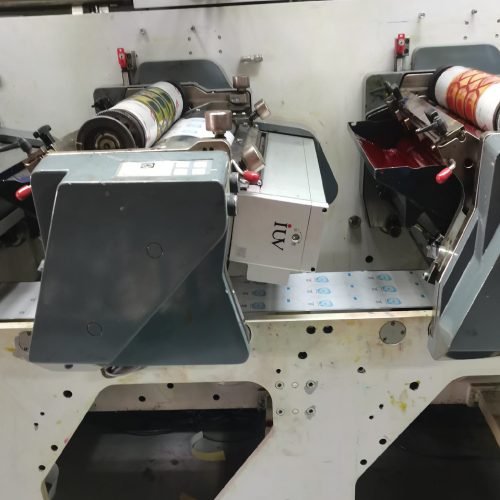
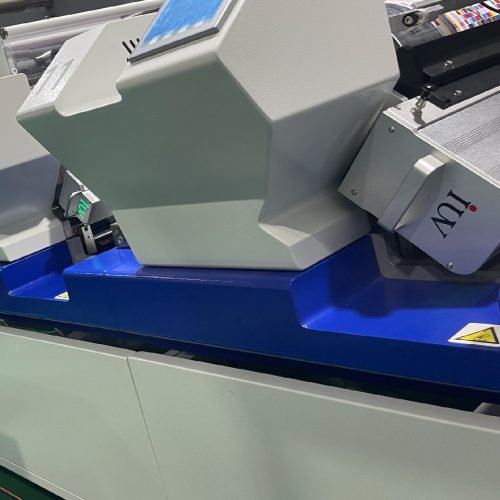
Narrow Web, Broad Impact In narrow-web flexo, where space is premium, LED systems shine. Compact modules integrate seamlessly into existing press configurations, even retrofitting older equipment. Their directional output minimizes stray UV exposure, protecting sensitive materials like PVC or BOPP films. For converters producing medical labels or electronics overlays, this precision ensures adhesion without substrate degradation.
Sustainability That Cuts Costs Switching to LED isn’t just about efficiency—it’s a sustainability play. Zero ozone emissions and elimination of mercury disposal costs align with tightening environmental regulations. Energy savings alone can justify the capital expenditure within 18-24 months for mid-sized operations. Combine this with reduced HVAC loads (thanks to lower heat output), and the ROI narrative becomes irresistible for eco-conscious brands sourcing printed materials.
The Hybrid Advantage Some converters hesitate to fully abandon conventional drying methods. Here’s where hybrid systems excel. Pairing LED curing with hot-air drying for solvent-based inks allows printers to handle diverse jobs on a single press. For instance, a label printer might use LED for UV varnishes and traditional drying for metallic inks, maximizing flexibility without sacrificing speed.
Maintenance Simplified LED units lack the complex reflectors or shutters of mercury systems. With no moving parts and minimal heat output, maintenance dwindles to occasional lens cleaning. For technical directors tired of troubleshooting erratic lamp performance, this predictability is a relief. Training staff becomes straightforward—no more arcane knowledge about lamp alignment or intensity curves.
The Substrate Factor Heat-sensitive materials like thin-gauge PE films or synthetic papers behave differently under LED vs. traditional UV. Warping and static buildup decrease, enhancing registration accuracy in multi-pass jobs. In tag printing, where dimensional stability is paramount, this means sharper barcodes and finer text. For unsupported films used in flexible packaging, reduced thermal stress allows for tighter tension control.
Future-Proofing Presses As UV-LED ink formulations evolve, early adopters gain a competitive edge. New photoinitiators responsive to lower-energy wavelengths are emerging, promising even faster cure times and compatibility with opaque whites or heavy coatings. For flexo printers eyeing markets like durable industrial labels or automotive decals, staying ahead of these developments could define market leadership.
Still running mercury lamps? The question isn’t whether to switch—it’s how quickly your operation can adapt. With energy prices volatile and sustainability mandates tightening, LED curing isn’t an upgrade; it’s the new baseline for profitable, scalable flexo printing.