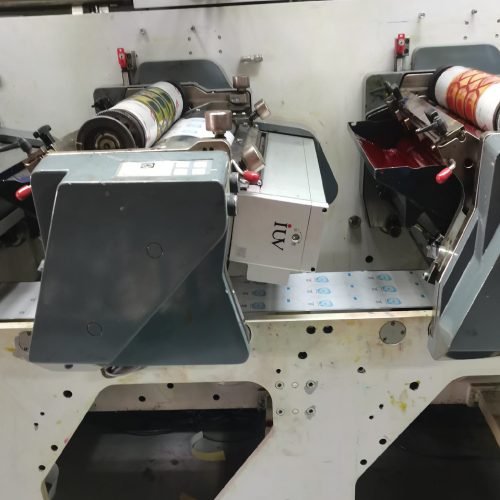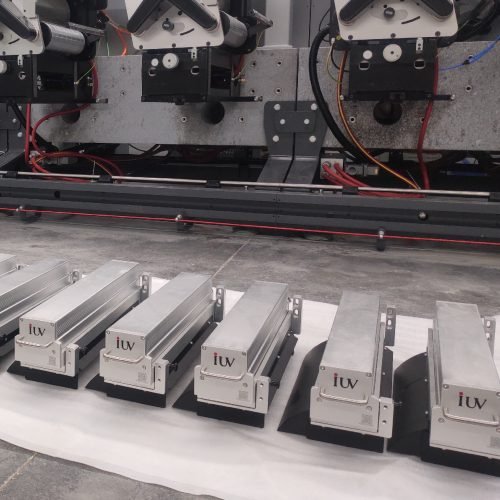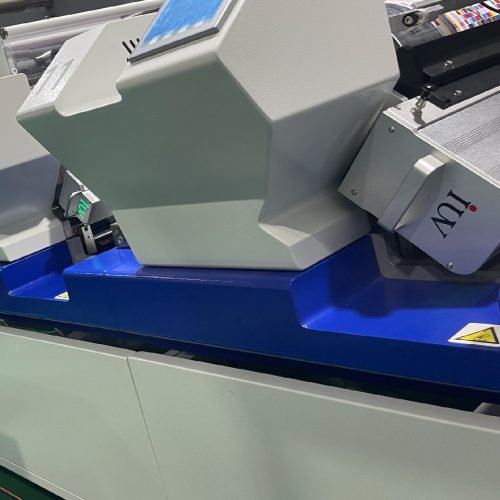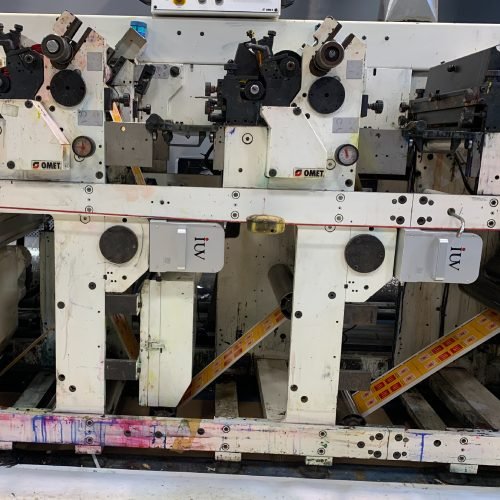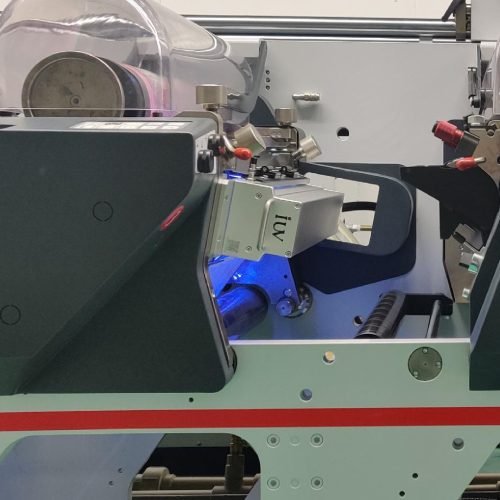
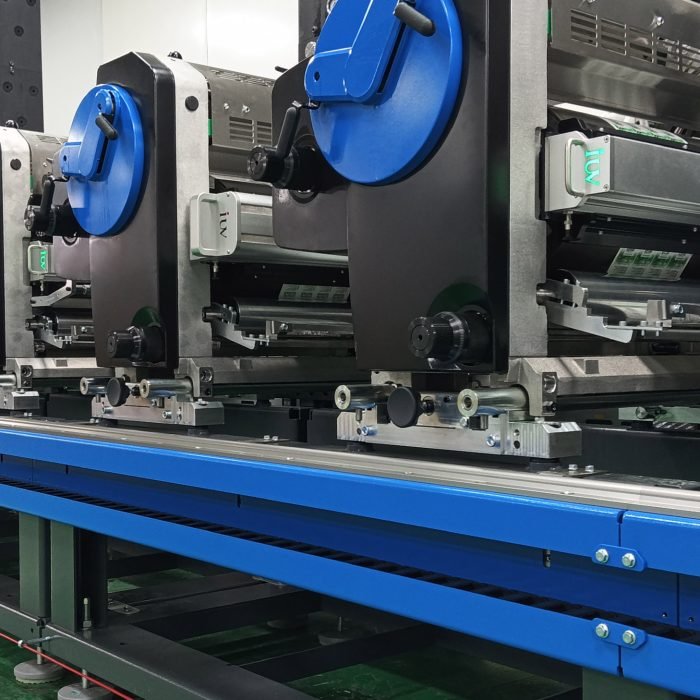
The printing industry’s shift toward LED curing systems isn’t just a trend—it’s a revolution reshaping flexo, label, and narrow-web workflows. Unlike traditional mercury-vapor lamps, LED UV technology delivers instant on/off capability, slashing energy use by up to 70% while maintaining consistent output. Printers running 24/7 operations see the biggest gains, with press speeds increasing 25-40% without compromising cure quality.
Flexo presses benefit uniquely from LED’s cold-cure process. Substrates like thin films and heat-sensitive materials no longer warp under excessive IR radiation. A major label converter recently reported 98% first-pass yield on PET films after switching to 395nm LED arrays, compared to 82% with conventional drying tunnels. The secret lies in LED’s narrow wavelength spectrum, which can be tuned to match photoinitiators in modern UV inks for precise polymerization.
Narrow-web printers juggling short runs need rapid job changeovers. LED systems eliminate warm-up delays—a 12-color press can switch substrates in 15 minutes instead of 45. Operators appreciate the hands-free operation: built-in radiometers continuously monitor irradiance, automatically adjusting power to maintain optimal cure as lamp intensity naturally degrades over 20,000 hours.
Offset applications are catching up. Sheetfed printers using hybrid UV/LED coatings achieve scratch resistance in 0.3 seconds versus 1.2 seconds with mercury bulbs. One carton manufacturer reduced their drying footprint by 60% by retrofitting LED modules above existing conveyor belts, reusing 80% of their existing infrastructure.
Three factors determine LED success in flexo:
- Spectral matching between diodes and ink chemistry
- Peak irradiance requirements for opaque whites/metallics
- Proper heat dissipation in high-speed configurations
A common mistake is over-specifying UV dose. Testing shows 1.2-2.5 J/cm² suffices for most water-based coatings, while pigmented inks may demand 3.8-4.5 J/cm². Modular designs allow adding LED arrays only where needed—say, doubling diodes at station 6 for heavy coverage, keeping others standard.
Maintenance drops dramatically. No more quartz sleeve replacements or hazardous mercury disposal. One Midwest converter saved $17k annually in bulb costs alone, with additional savings from reduced air conditioning (LEDs emit 85% less heat). The ROI timeline? Under 14 months for most mid-sized shops.
Substrate compatibility keeps expanding. Early adopters stuck to papers and standard films, but today’s LEDs cure inks on LDPE, BOPP, and even textured surfaces like synthetic leather at 600 fpm. The latest development? Dual-wavelength systems (365nm 395nm) tackling challenging adhesives in tape printing.
Skeptics question LED’s upfront cost, but the math convinces. A 10-inch UV LED unit priced at $28k replaces $9k mercury lamps—but lasts 5x longer while using 18kW instead of 45kW. Over three years, energy savings cover 73% of the initial premium. Factor in productivity gains from faster speeds, and the case becomes airtight.
Print buyers notice the difference. A beverage company reduced label scrap rate from 5.2% to 0.7% after their supplier adopted LED curing, citing eliminated ink offsetting during rewinding. The tighter spectral control prevents over-curing, keeping inks flexible enough to withstand 360-degree container molding without cracking.
Hybrid configurations bridge the transition. Some converters run LEDs for base colors and mercury lamps for heavy varnishes, blending technologies to optimize throughput. As LED intensities keep climbing—now reaching 30W/cm²—the need for such compromises dwindles.
The future points to smarter integration. Presses with built-in spectrometers now auto-adjust LED output based on ink film thickness detected by inline cameras. Others sync curing power with web speed fluctuations, maintaining perfect dose during ramps. For printers battling slim margins and sustainability targets, this isn’t just better tech—it’s survival gear.