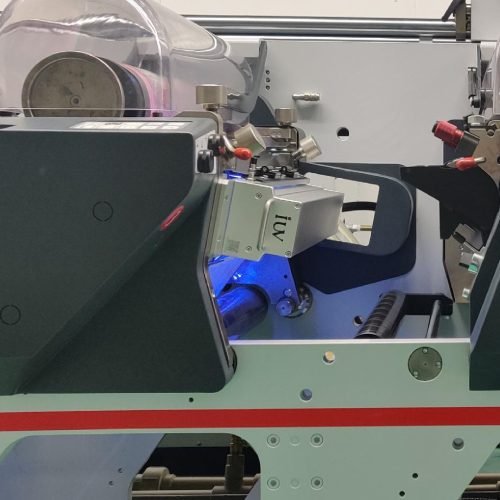
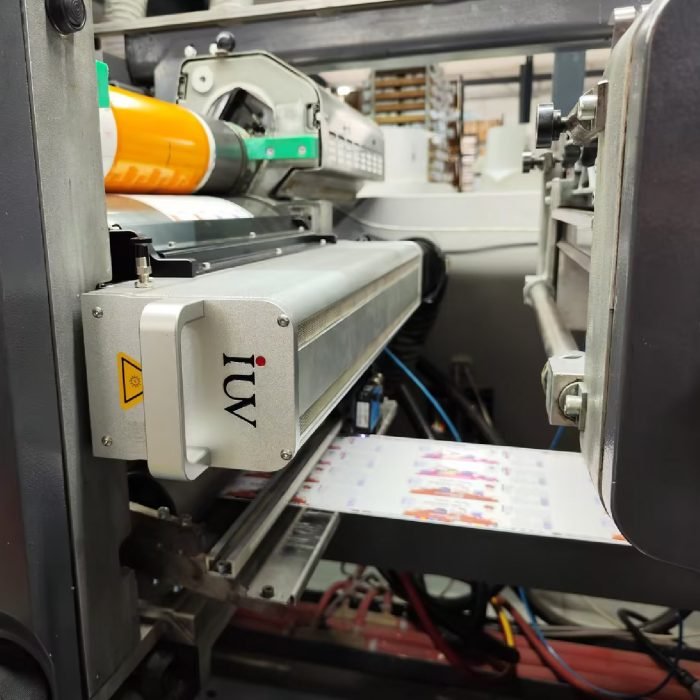
The hum of a flexo press kicks up dust in the morning air as another roll of labels jams mid-run. Operators check their watches – third delay this shift caused by incomplete drying. Across the industry, this scene repeats daily as conventional drying methods bottleneck production lines. But beneath the frustration lies a solution rewriting the rules of print chemistry.
UV curing technology slices through drying delays like a hot knife through butter. Unlike traditional methods relying on evaporation or oxidation, this photon-powered process completes chemical crosslinking in milliseconds. The secret lives in the dance between photoinitiators and specific light wavelengths. When UV LEDs hit specially formulated inks, a photochemical reaction locks pigments into position before operators can blink.
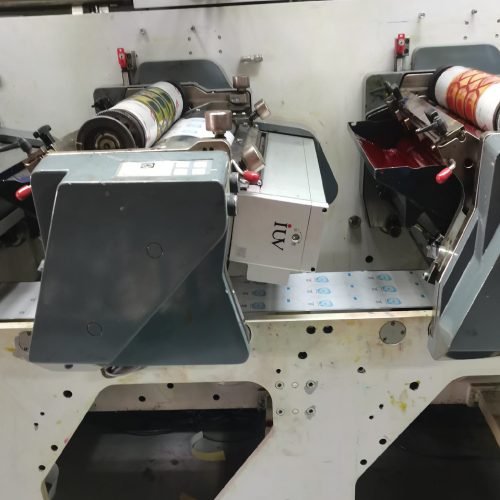
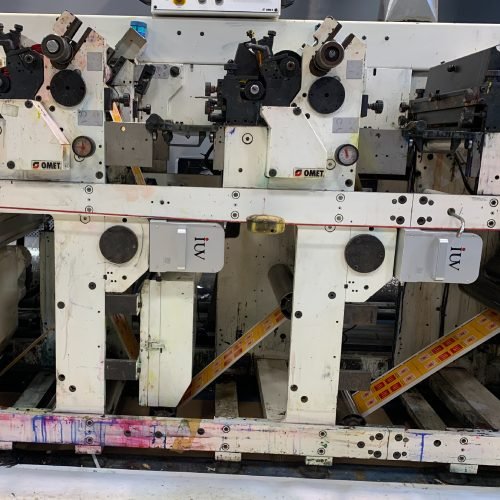
Flexo shops running hybrid setups see the most dramatic shifts. One label converter cut their 12-color process drying time from 42 minutes to instantaneous, pushing hourly output from 1,200 to 3,800 linear feet. Their secret? Retrofitting two UV stations between conventional units. The hybrid approach allows gradual transition while delivering immediate throughput gains.
Narrow web converters face unique challenges that UV solves elegantly. Delicate substrates like thin films warp under heat tunnels, while cold curing preserves material integrity. A pharmaceutical label producer eliminated 0.3mm substrate shrinkage by switching to LED-UV, achieving register accuracy previously impossible with thermal methods. Their waste percentage dropped from 18% to 2.3% within weeks.
Offset printers adopting UV reap unexpected benefits beyond speed. The instant cure creates sharper dot structures, expanding gamut potential. A security document printer achieved 98% Pantone coverage without specialty inks simply through improved dot fidelity. Their clients now specify UV-cured prints for color-critical applications, commanding 22% price premiums.
Energy metrics tell their own story. Traditional gas-fired dryers gulp 185kW per hour versus UV systems sipping 28kW. But the real savings emerge downstream – reduced warehouse space for drying racks, lower HVAC costs from eliminated heat exhaust, fewer quality control staff chasing drying defects. One industrial tag manufacturer slashed total energy costs by 61% post-conversion, achieving ROI in 14 months.
Material scientists continue pushing the boundaries. Latest photoinitiator formulations cure under 395nm wavelengths, enabling thinner ink films without sacrificing adhesion. This breakthrough allows converters to run lighter substrate weights while maintaining durability specs. A beverage label client reduced material costs 19% by switching to 38-micron PET films paired with next-gen UV inks.
The environmental angle keeps gaining traction. UV systems produce zero VOC emissions compared to solvent-based alternatives, helping printers meet tightening regulations. A European converter landed a multinational cosmetics contract specifically because their UV process complied with new EU emission standards competitors couldn’t match. Sustainability became their unique selling proposition overnight.
On the press floor, the human impact matters most. Operators no longer babysit drying racks or troubleshoot ink offsets. One veteran pressman described the change: “It’s like someone hit fast-forward on the boring parts of my shift.” His team now handles three changeovers per shift instead of one, boosting job diversity and skills development. Morale lifts when technology removes frustration points.
Maintenance crews report fewer fire suppression system activations since removing heat tunnels. The elimination of open flames and hot surfaces reduces insurance premiums too. One mid-sized printer saved $18,000 annually on insurance costs alone after full UV conversion, not counting reduced downtime from thermal-related incidents.
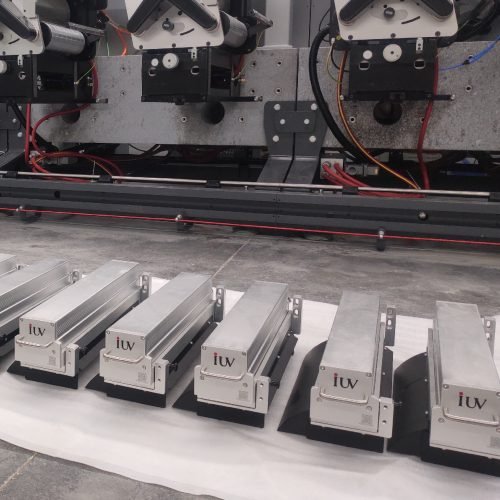
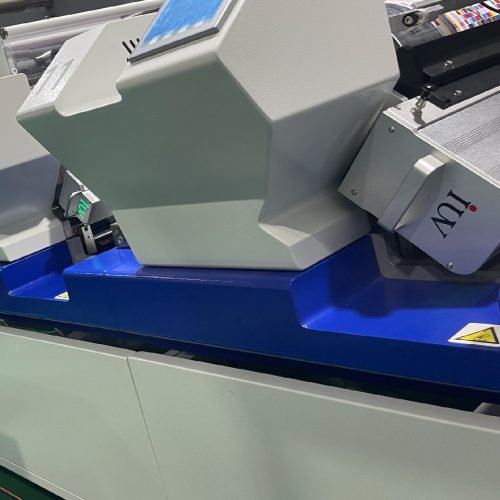
As the technology matures, integration becomes plug-and-play. Modern UV retrofits slot into existing press footprints with minimal mechanical adjustments. Power requirements continue dropping as LED efficiency improves – today’s units produce 50% more irradiance than models from five years ago at half the energy draw. The progress curve suggests UV will become standard equipment rather than premium upgrade within the decade.
The quiet revolution in curing technology keeps accelerating. Printers who adapt now position themselves as leaders rather than followers. Those waiting on the sidelines risk watching competitors lap them in productivity races. The question isn’t whether to adopt instant curing, but how quickly to implement it before market expectations shift permanently.