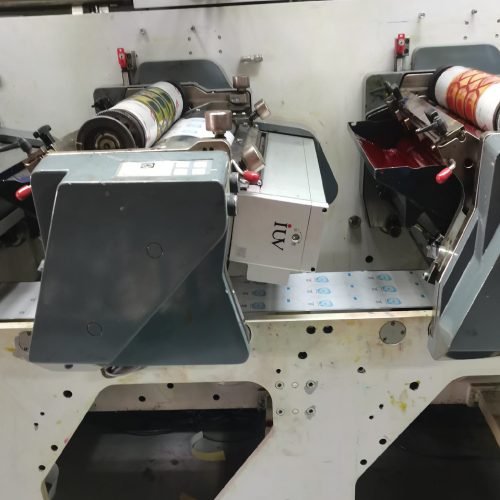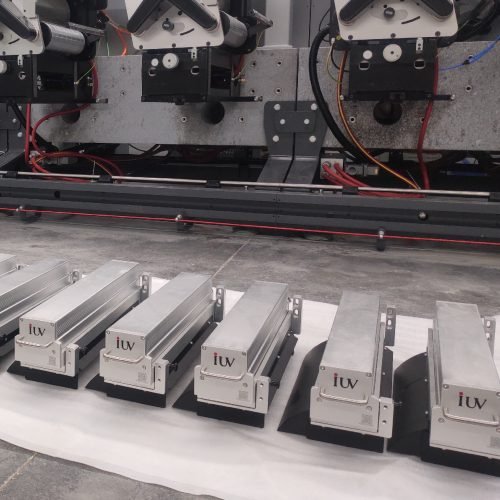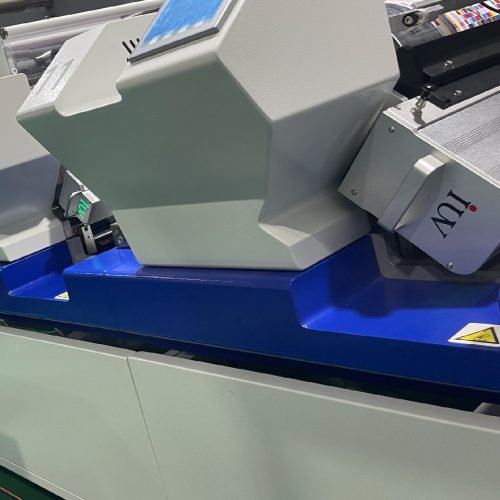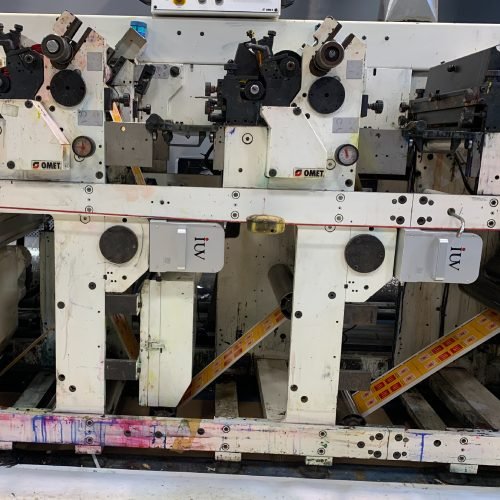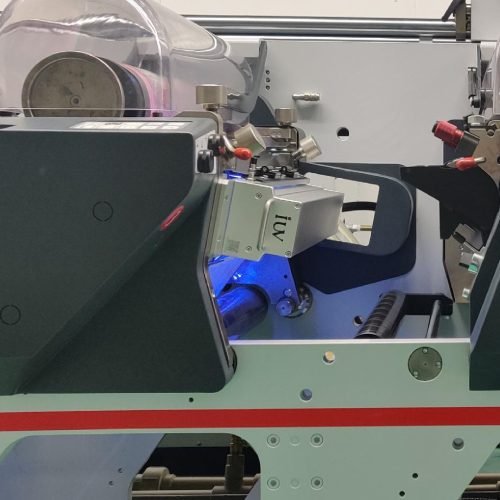
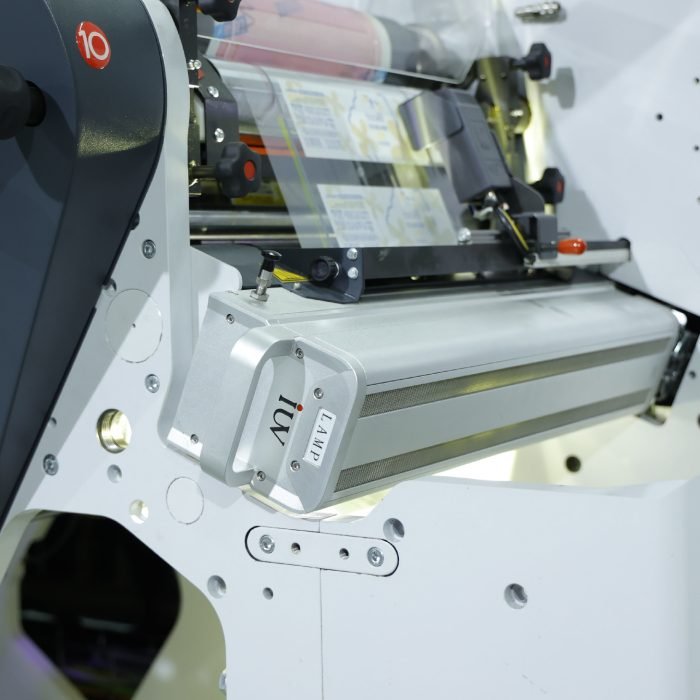
In the demanding world of narrow web flexo printing, speed and adaptability are paramount. Labels and packaging require constant innovation and quick turnaround times. A significant bottleneck in achieving this agility has historically been the time-consuming process of job changeovers. This involves switching printing plates, inks, and often, the entire setup from one job to the next. However, the integration of LED UV curing systems is fundamentally transforming this aspect of flexo printing, enabling dramatically faster and more efficient job changeovers.
Understanding the Traditional Changeover Process
Traditionally, flexo printing changeovers involve a series of steps that consume valuable press time. When a print run concludes and a new design needs to be set up, operators must meticulously remove and clean anilox rolls and ink trays, wash down the print stations, and then carefully mount new printing plates and adjust impression settings. The drying process for conventional inks or coatings can add further delays, especially if multiple passes or specialized drying equipment are required. Each of these stages represents downtime, directly impacting a printing company’s productivity and profitability. For short-run, high-mix environments, this downtime becomes a significant cost.
The Role of UV Curing in Printing
UV curing technology has been a staple in the printing industry for years, offering rapid drying of inks and coatings. Unlike conventional thermal drying, UV curing utilizes ultraviolet light to initiate a photochemical reaction within the ink or coating, causing it to solidify almost instantaneously. This has several inherent advantages, including improved print quality, enhanced durability, and the ability to print on a wider range of substrates. However, traditional mercury-based UV lamps have their own set of limitations that can still impact changeover efficiency.
Limitations of Traditional UV Lamps in Changeovers
While conventional mercury UV lamps offer fast curing, their integration into the changeover process can still present challenges. These lamps typically require a warm-up period before reaching optimal curing intensity. This means that upon startup, operators may have to wait for the lamps to reach full power, adding a few extra minutes to the changeover. Furthermore, mercury lamps generate a significant amount of heat, which can impact the substrate and require additional cooling measures. Replacing UV lamps, though less frequent than other components, is also a labor-intensive process. The power consumption of mercury lamps can also be substantial, adding to operational costs.
The LED UV Revolution: Instant On/Off and Consistent Output
This is where LED UV curing systems truly shine, particularly in accelerating job changeovers. Light Emitting Diodes (LEDs) operate on a fundamentally different principle than mercury lamps. Their key advantages for changeovers include:
- Instant On/Off Capability: LEDs do not require any warm-up or cool-down time. They achieve their full curing intensity the moment they are switched on and cease emitting UV light immediately when switched off. This means that as soon as the press is ready with the new plates and inks, the LED lamps can be activated, eliminating any waiting period associated with lamp warm-up. This seemingly small advantage translates into significant time savings over multiple changeovers in a day.
- Consistent Output: LED UV systems provide a highly consistent and stable UV output throughout their operational life. Unlike mercury lamps, which can experience a gradual decline in intensity over time, LEDs maintain their curing power, ensuring reliable and repeatable results job after job, and importantly, during each transition. This consistency reduces the need for recalibration during or immediately after a changeover.
- Targeted Wavelengths: LEDs can be manufactured to emit specific wavelengths of UV light that are precisely matched to the absorption spectra of UV inks and coatings. This targeted approach means that less energy is wasted, and curing is more efficient. For changeovers, this ensures that the new ink sets cure effectively and rapidly, without the need for extended exposure or multiple passes, which could have been a factor with less optimized traditional UV systems.
Reduced Heat Generation and Substrate Flexibility
The reduced heat output from LED UV systems is another significant benefit for rapid changeovers. Conventional UV lamps can transfer a considerable amount of heat to the substrate. This can be problematic when printing on heat-sensitive materials like thin films or certain plastics, often requiring chillers or slower press speeds. LED UV systems, emitting very little infrared radiation, generate minimal heat. This allows printers to:
- Print on a Wider Range of Materials: Heat-sensitive substrates can be handled without fear of distortion or damage, expanding the range of jobs that can be rapidly changed over.
- Eliminate or Reduce Cooling Requirements: This simplifies the press setup and reduces the complexity and potential failure points associated with cooling systems, further streamlining the changeover process.
Ink and Coating Versatility with LED UV
The development of LED-curable inks and coatings has progressed in parallel with LED UV technology. These inks are specifically formulated to cure efficiently under the narrow wavelength spectrums emitted by LEDs. This compatibility ensures:
- Fast Ink Curing: Operators can be confident that the new inks will cure almost instantaneously once the press is running, allowing for immediate stacking or further processing of the printed materials.
- Enhanced Ink Performance: LED-curable inks often offer excellent adhesion, rub resistance, and color vibrancy, contributing to the overall quality of the printed product. The rapid and complete cure achieved with LED UV systems means that the performance characteristics of the ink are realized immediately after printing, without the need for post-cure processes that could delay job completion.
Simplified Maintenance and Operation
Beyond the immediate curing benefits, LED UV systems contribute to faster changeovers through their operational simplicity and reduced maintenance requirements.
- Longer Lifespan: LED UV systems have a significantly longer operational lifespan compared to mercury lamps, often lasting tens of thousands of hours. This means fewer lamp replacements, which are often complex and time-consuming procedures.
- No Lamp Disposal Issues: Unlike mercury lamps, LEDs do not contain hazardous materials, simplifying disposal and compliance with environmental regulations.
- Lower Power Consumption: LEDs are far more energy-efficient than mercury lamps, leading to lower operating costs and reduced strain on the press’s power supply. This also contributes to a more streamlined setup, as less power infrastructure is typically required.
Impact on Narrow Web Flexo Printing Operations
For narrow web flexo printers, especially those operating in the label and flexible packaging sectors, the ability to change jobs quickly is a competitive advantage. The demands for shorter print runs, personalization, and faster delivery times are constantly increasing. LED UV curing systems directly address these market pressures by:
- Maximizing Press Uptime: By drastically reducing or eliminating the waiting time for UV lamps, and simplifying the drying process, the actual printing time per job is increased. This means more jobs can be completed within a given shift.
- Enabling True “On-Demand” Printing: The combination of fast setup, quick changeovers, and rapid curing moves flexo printing closer to an on-demand production model, allowing printers to respond rapidly to customer needs.
- Reducing Operational Costs: While the initial investment in LED UV systems can be higher, the long-term savings in energy, reduced waste, and increased productivity often lead to a quicker return on investment, particularly when factoring in the efficiency gains during frequent job changeovers.
- Improving Work Environment: The reduced heat and absence of ozone generated by LEDs contribute to a safer and more comfortable working environment for press operators.
Conclusion: A Paradigm Shift in Flexo Efficiency
The adoption of LED UV curing systems represents a paradigm shift in flexo printing efficiency, particularly concerning job changeover times. Their instant on/off capability, consistent UV output, minimal heat generation, and compatibility with advanced inks and coatings empower printers to transition between jobs with unprecedented speed and ease. For narrow web flexo operations focused on labels and flexible packaging, this technological advancement is not just an upgrade; it’s a critical enabler of agility, profitability, and competitiveness in today’s fast-paced market. By embracing LED UV technology, printing companies can unlock new levels of productivity and better meet the ever-evolving demands of their customers.