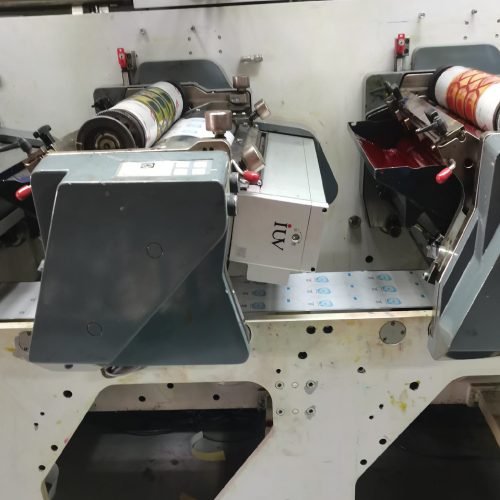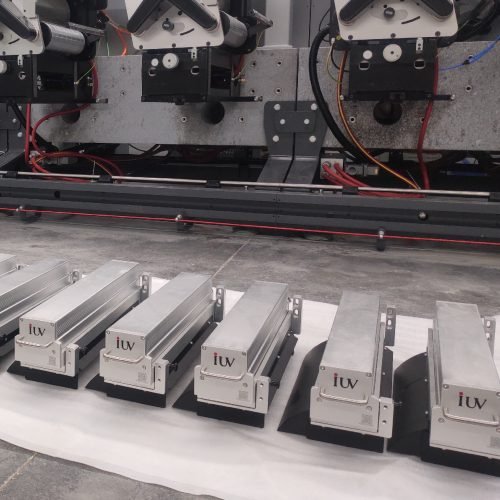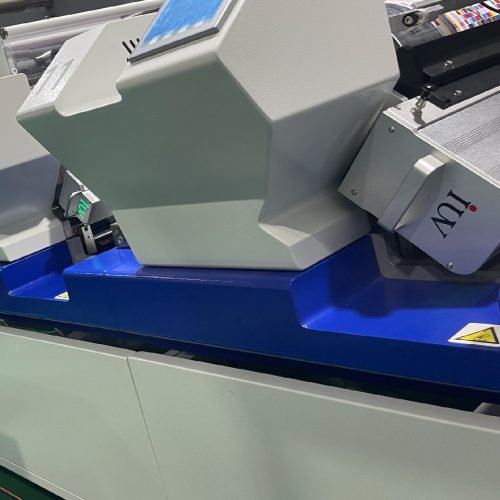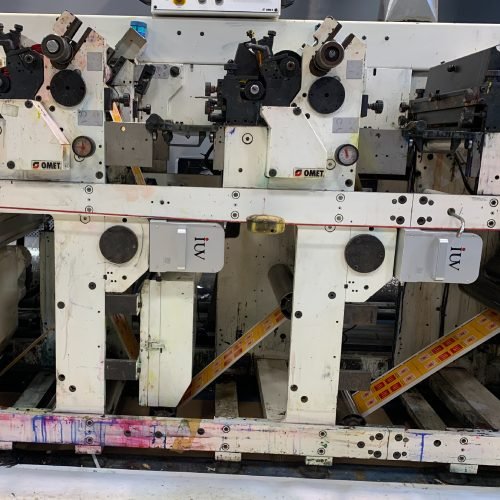
In the fast-paced world of label and narrow web printing, staying ahead means having immediate control over every stage of production. This is especially true for the curing process, where consistent quality and efficient throughput are paramount. For years, conventional UV curing systems have been the industry standard, but they often lack the granular control needed for true real-time monitoring. Enter LED UV curing systems. These advanced solutions are not just about faster drying times and energy savings; they are revolutionizing how printers can observe and manage their operations.
The Limitations of Traditional UV Curing for Monitoring
Traditional mercury lamp UV curing systems have served the industry well, offering robust curing capabilities. However, their operational characteristics present inherent challenges when it comes to real-time production monitoring. These lamps operate at high temperatures and have a distinct warm-up and cool-down period. This means their output can fluctuate, and precise control over the UV intensity and spectrum is difficult to maintain consistently throughout a print run.
Furthermore, the physical setup of mercury lamps makes it challenging to integrate sensors directly into the curing zone without potentially affecting lamp performance or being exposed to intense heat and radiation. This often results in relying on indirect indicators like substrate temperature or visual inspection, which are less precise and not truly real-time. Production managers might only discover a curing issue after a significant amount of material has been printed, leading to waste and costly downtime.
The Advantages of LED UV for Enhanced Monitoring
LED UV curing systems operate on entirely different principles, offering a significant leap forward in production oversight. Light Emitting Diodes (LEDs) are solid-state devices. They emit light immediately at full power when switched on and turn off instantaneously when deactivated. This rapid response time is a key enabler for real-time monitoring.
The precise control over power output is another critical advantage. LED UV systems can be dimmed or pulsed with great accuracy, allowing for fine-tuning of the curing energy delivered to the ink or coating. This granular control directly translates into more predictable and consistent curing, which is easier to monitor.
Direct Integration of Monitoring Sensors
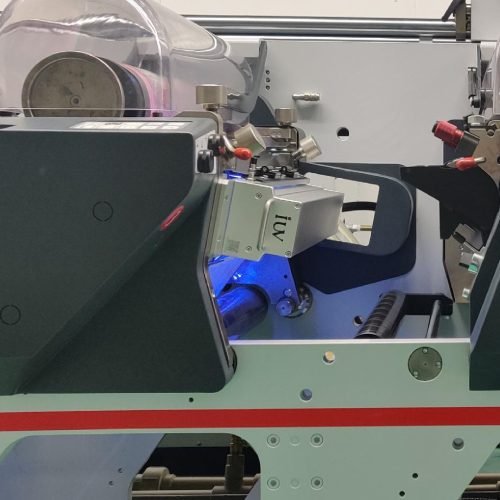
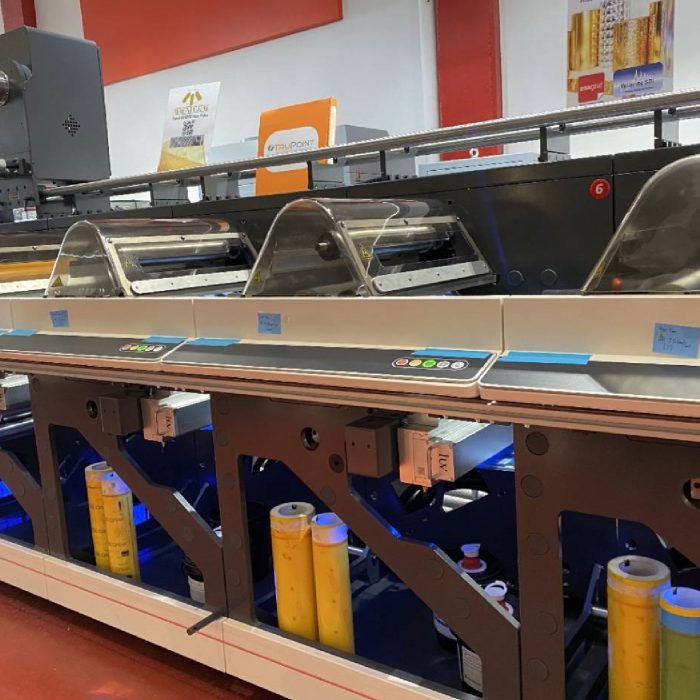
One of the most impactful ways LED UV systems enable real-time production monitoring is through the ease of sensor integration. Because LEDs operate at much lower temperatures than mercury lamps, and their compact form factor allows for more flexible system design, sensors can be placed in close proximity to, or even within, the curing zone itself.
This allows for the direct measurement of critical parameters such as:
- UV Irradiance: This measures the intensity of the UV light reaching the substrate. Real-time irradiance monitoring ensures that the correct amount of energy is being delivered for optimal curing. Fluctuations can be detected instantly, allowing for immediate adjustment.
- Substrate Temperature: While LED UV systems generate less heat than traditional lamps, monitoring substrate temperature is still important. It provides a secondary check on the curing process and can indicate issues with ink layer thickness or press speed. Sensors can be placed directly on or immediately after the substrate.
- Wavelength Specific Output: Unlike mercury lamps which emit a broad spectrum of UV light, LEDs can be manufactured to emit very specific wavelengths. Monitoring the output within these designated wavelengths ensures that the curing chemistry is being activated precisely as intended by the ink or coating manufacturer.
Data Acquisition and Analysis for Process Optimization
The ability to capture data from these integrated sensors in real-time transforms production monitoring from a reactive process to a proactive one. Most modern LED UV curing systems are equipped with sophisticated control units that can collect, process, and display this data.
This data can be:
- Displayed Live on the Press Control Panel: Operators can see critical curing parameters instantly, allowing them to make immediate adjustments if any readings fall outside the acceptable range.
- Logged for Archiving and Analysis: Historical data can be stored and analyzed to identify trends, understand process variations, and optimize settings for future runs. This is invaluable for continuous improvement initiatives.
- Integrated with MIS/ERP Systems: For fully automated workflows, the data from the LED UV curing system can be fed into Manufacturing Execution Systems (MES) or Enterprise Resource Planning (ERP) systems. This allows for comprehensive production tracking, quality control reporting, and predictive maintenance scheduling.
Impact on Key Printing Applications
The benefits of real-time monitoring powered by LED UV curing are particularly pronounced in demanding printing applications:
Narrow Web and Label Printing
In narrow web and label printing, where speeds are high and substrate variety is immense, consistent curing is non-negotiable. For labels requiring high rub resistance, scratch resistance, or specific barrier properties, precise UV energy delivery is crucial. Real-time irradiance monitoring ensures that each label, regardless of its position on the web, receives the exact amount of UV energy needed for the ink or coating to achieve its full performance characteristics. This minimizes issues like ink rub-off during finishing or handling, and ensures compliance with product safety and regulatory standards.
Flexographic Printing
Flexo printing, especially for packaging, often involves complex multi-layer ink systems and a wide range of anilox roll and plate combinations. Achieving complete cure through thicker ink films or multiple coatings can be challenging. With LED UV, the ability to monitor irradiance and potentially substrate temperature allows for precise control. If an anilox roll is slightly clogged or the ink viscosity changes, leading to a thicker ink film, the system can detect if the energy delivery is insufficient for full cure and alert the operator. This prevents under-cured ink from being passed to subsequent stations or finishing processes.
Offset Printing (Sheet-fed and Web)
While offset printing has its own unique curing demands, particularly for high-gloss finishes and specialty coatings, LED UV technology is increasingly adopted. For sheet-fed offset, where sheets are handled individually, real-time monitoring ensures that each sheet is consistently cured before stacking. This prevents ink transfer between sheets and ensures immediate post-press finishing. In web offset, the continuous nature of the process benefits immensely from the immediate on/off capabilities of LEDs, allowing for dynamic adjustments and reliable monitoring of curing performance across the entire web width.
Predictive Maintenance and Reduced Downtime
Beyond immediate production control, real-time monitoring through LED UV systems plays a vital role in predictive maintenance. By continuously tracking parameters like lamp temperature, power consumption, and output stability, anomalies can be detected long before they lead to a complete system failure or a batch of defective products.
For instance, a gradual decrease in irradiance, even if still within an acceptable range, might indicate that an LED module is nearing the end of its operational life or that a cooling system is becoming less efficient. This information allows maintenance teams to schedule replacements or servicing during planned downtime, avoiding unexpected production stoppages. This proactive approach significantly reduces the total cost of ownership and maximizes press uptime.
Enhanced Quality Control and Consistency
The overarching benefit of real-time production monitoring with LED UV curing systems is the dramatic improvement in product quality and consistency. By having immediate feedback on the curing process, printers can ensure that every part of every job meets the required specifications.
- Elimination of Curing Defects: Issues like incomplete cure, over-cure (leading to brittleness), or yellowing of the substrate due to excessive heat are significantly reduced.
- Consistent Brand Colors and Finishes: For brands that rely on precise color reproduction and specific finishes, consistent curing ensures that the visual appearance of the printed product remains identical from the first piece to the last, run after run.
- Meeting Regulatory and Performance Standards: Many applications, especially in food packaging, medical devices, and consumer electronics, have strict regulatory requirements for ink adhesion, migration, and resistance properties. Real-time monitoring provides the assurance that these standards are consistently met.
In conclusion, the integration of LED UV curing systems into modern printing workflows offers far more than just efficient drying. It provides a window into the production process, enabling unprecedented levels of real-time monitoring and control. This not only optimizes operational efficiency and reduces waste but also guarantees higher product quality and consistency, crucial for success in today’s competitive printing market.