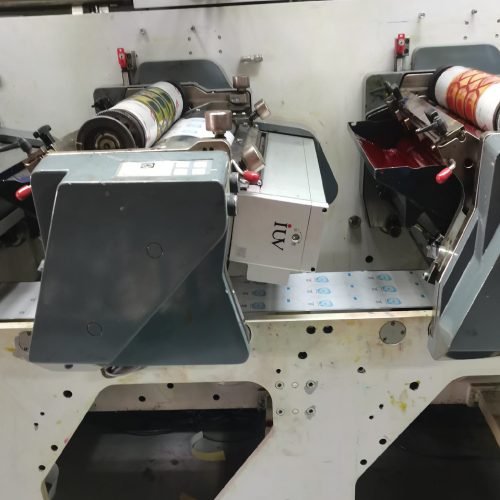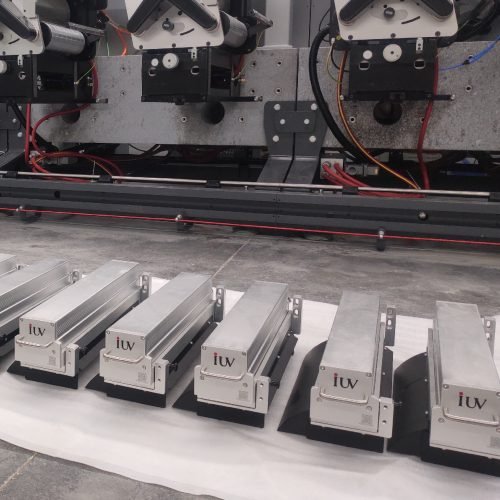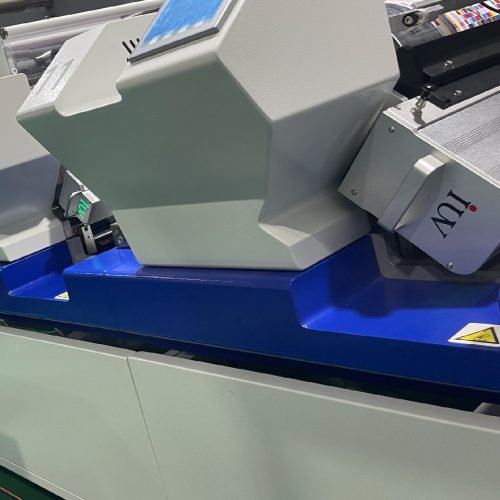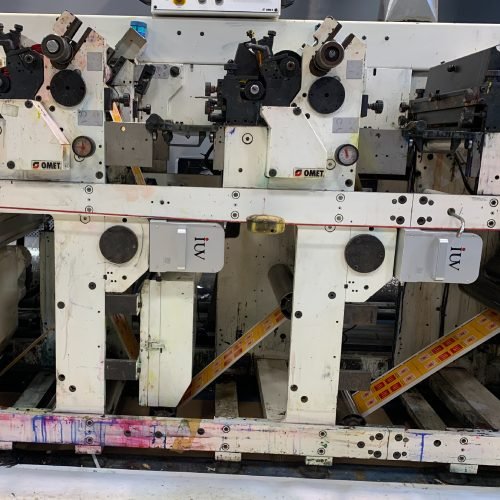
The printing industry is in a constant state of evolution, driven by demands for faster production, enhanced visual appeal, and greater sustainability. Within this landscape, the adoption of advanced curing technologies has become a significant differentiator. High-intensity LED curing systems are at the forefront of this shift, offering unparalleled performance for specialty varnishes and coatings across various printing applications.
Understanding UV Curing: A Foundation
Before we delve into the specifics of LED technology, it’s helpful to understand the basics of UV curing. Ultraviolet (UV) curing is a photochemical process where liquid inks, coatings, or adhesives are exposed to UV light, triggering a rapid polymerization reaction. This reaction transforms the liquid material into a solid, cured film almost instantaneously. Traditional UV curing systems often employ mercury vapor lamps, which have been the workhorses of the industry for decades. However, these lamps come with limitations, including high energy consumption, heat generation, and a finite lifespan.
The Rise of LED UV Curing
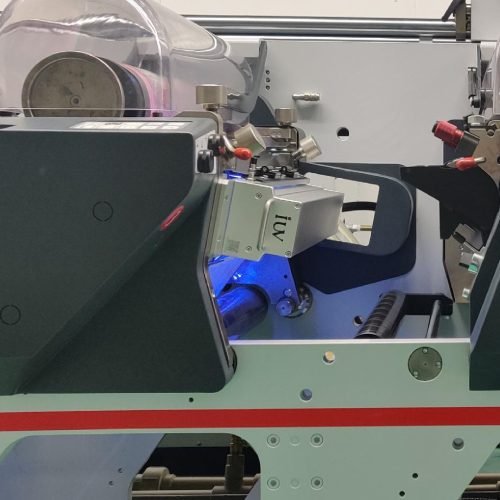
LED (Light Emitting Diode) UV curing technology represents a significant leap forward. Unlike mercury lamps, LEDs emit UV light within very narrow wavelength bands, precisely matched to the photoinitiators in the inks and coatings. This targeted emission leads to more efficient and complete curing. Furthermore, LEDs generate significantly less heat, are more energy-efficient, and have a much longer operational life, often exceeding 20,000 hours.
The “high-intensity” aspect of these systems refers to their ability to deliver a powerful UV output. This intensity is critical for achieving rapid curing speeds, especially with demanding specialty varnishes and coatings that might require a robust cure to achieve their unique properties.
Applications in Specialty Varnishes and Coatings
Specialty varnishes and coatings are where high-intensity LED curing truly shines. These aren’t your everyday protective layers; they are designed to impart specific visual or tactile effects, enhance durability, or provide functional properties.
- High-Build and Tactile Coatings: Creating raised or textured effects, often used for premium packaging and labels, requires a coating that cures quickly and uniformly without excessive heat, which could warp the substrate or negatively affect the ink. High-intensity LED systems ensure these thicker layers achieve a complete cure from top to bottom.
- Soft-Touch and Matte Varnishes: Achieving a smooth, velvety feel or a sophisticated matte finish relies on precise formulation and rapid, thorough curing. LED technology’s controlled output prevents over-curing that could lead to unwanted gloss or a brittle finish.
- Scratch and Abrasion Resistant Coatings: For products that endure significant handling, superior protection is paramount. High-intensity LED curing enables the cross-linking of advanced resin systems, creating exceptionally hard and durable surfaces that resist damage.
- Functional Coatings: This category is vast and includes everything from anti-microbial coatings for healthcare packaging to barrier coatings for food packaging that extend shelf life. The precise wavelength control and intensity of LED curing ensure that these functional properties are effectively locked in.
Advantages for Label and Narrow Web Printing
The narrow web printing sector, which includes label and flexible packaging production, has been an early adopter of LED UV curing. The benefits are particularly pronounced here:
- Reduced Substrate Deformation: Many label substrates, like thin films and papers, are sensitive to heat. The low heat output of LED systems prevents warping or shrinkage, ensuring dimensional stability and accurate registration. This is crucial for complex multi-layer labels and shrink sleeves.
- Improved Running Speeds: High-intensity LED curing allows presses to run at maximum speeds without compromising cure quality. This directly translates to higher productivity and lower per-unit costs.
- Energy Savings: Replacing traditional UV lamps with LEDs can lead to substantial energy cost reductions. This aligns with growing industry pressure for more sustainable manufacturing practices.
- Environmental Benefits: Beyond energy savings, LEDs are mercury-free, eliminating hazardous waste associated with lamp disposal. The efficiency of LED curing also means less waste from uncured inks or coatings due to incomplete polymerization.
- On-Demand Curing: LEDs can be switched on and off instantly. This “on-demand” capability means they only consume power when the printing unit is actively running, further optimizing energy use. It also means less heat build-up on the press when not actively printing.
Advantages for Flexographic and Offset Printing
While narrow web printing has embraced LEDs, their application is expanding into wider web flexographic and offset printing for packaging and commercial applications.
- Flexography: In flexo, where quick turnaround and high-volume runs are common, the speed and efficiency of LED curing are game-changers. This is especially true for specialty finishes applied inline, such as spot varnishes or textured coatings, where precise control is needed.
- Offset Lithography: For offset printing, particularly in packaging and commercial runs requiring high-quality finishes, LED UV curing offers a way to achieve vibrant colors, sharp dots, and superior resistance properties with minimal heat impact on the paper or board. This allows for immediate post-press finishing operations.
Key Considerations for High-Intensity LED Systems
When selecting and implementing high-intensity LED curing systems for specialty varnishes and coatings, several factors warrant attention:
- Wavelength Selection: Different photoinitiators are activated by specific UV wavelengths. Ensuring the LED system’s output (e.g., 365nm, 395nm) precisely matches the photoinitiator package in your specialty varnish or coating is fundamental for optimal cure.
- Irradiance Levels: This refers to the power density of the UV light delivered to the substrate. High irradiance is essential for fast curing of thick or heavily pigmented coatings. Manufacturers specify the required irradiance for their formulations.
- Uniformity: Consistent UV light coverage across the entire width of the substrate is vital. Poor uniformity can lead to under-cured areas, affecting adhesion, durability, and aesthetic properties.
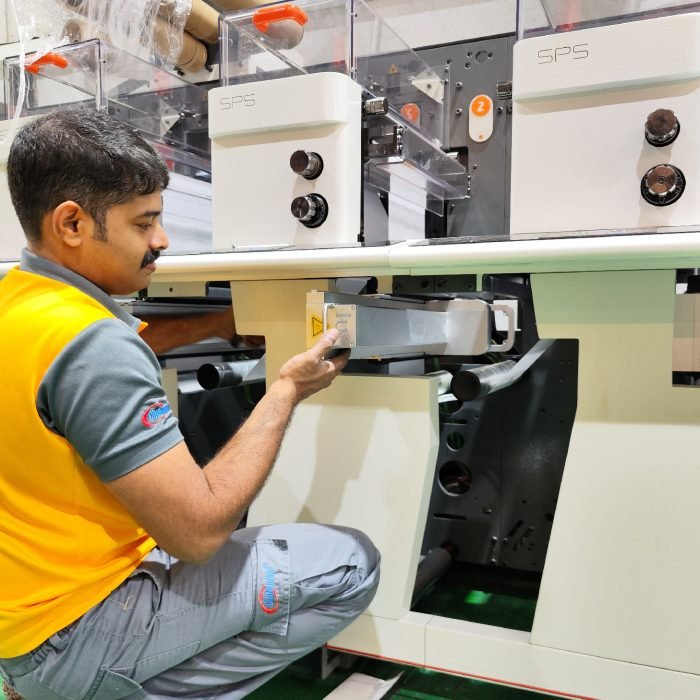
- Integration: How the LED curing system integrates with existing printing presses (label, flexo, offset) is a practical concern. Proper mounting, power requirements, and control interfaces need to be addressed.
- Substrate Compatibility: While LEDs are generally cooler, it’s still important to consider the substrate’s thermal limits, especially for very sensitive materials.
- Formulation Partnership: Working closely with ink and coating manufacturers is key. They can advise on formulations optimized for LED curing and help determine the precise curing parameters required.
The Future is Bright: LED Curing’s Continuing Impact
The trend towards high-intensity LED curing systems is undeniable. As LED technology continues to advance, offering even higher power outputs and more precise wavelength control, its adoption will accelerate. For printers looking to differentiate themselves with advanced specialty varnishes and coatings, embracing this technology is not just an option—it’s a strategic imperative. The ability to achieve superior finishes, improve operational efficiency, and enhance sustainability makes high-intensity LED curing an indispensable tool for the modern print provider. The future of printing is efficient, precise, and illuminated by the power of LED.