In today’s competitive market, packaging and labels are no longer just protective coverings; they are powerful brand ambassadors. Consumers are drawn to visually appealing and tactilely engaging products, making the quality and finish of labels and packaging paramount. For print providers aiming to deliver premium results in packaging and specialty labels, embracing automated UV printing workflows is becoming a strategic imperative. This approach leverages the speed, efficiency, and superior finish capabilities of UV-curable inks and coatings, integrated into a streamlined, automated process.
The Advantages of UV Curing in Label and Packaging Printing
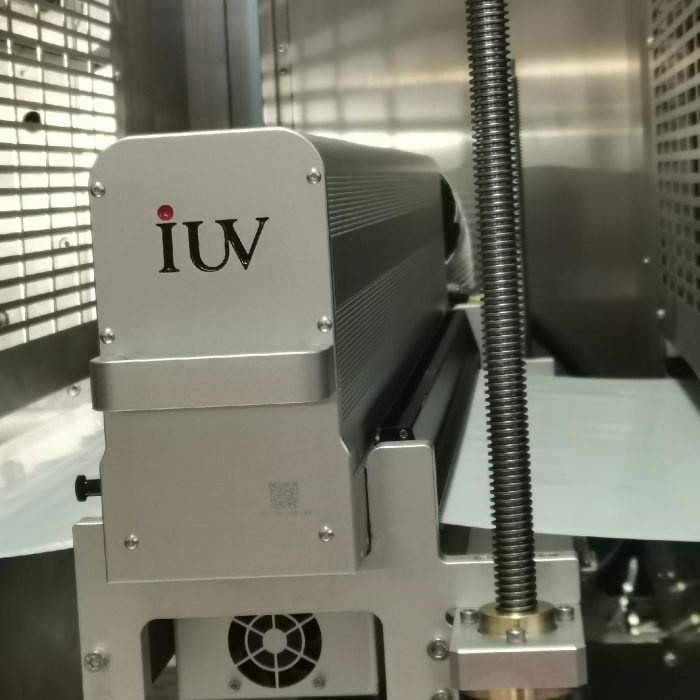
UV (ultraviolet) curing technology has revolutionized the printing industry, especially for high-value applications like premium packaging and specialty labels. Unlike conventional inks that rely on solvent evaporation or oxidation to dry, UV-curable inks and coatings contain photoinitiators. When exposed to specific wavelengths of UV light, these photoinitiators trigger a rapid polymerization process, instantly transforming the liquid ink or coating into a solid, durable film.
This immediate curing offers a cascade of benefits crucial for label and packaging production. Firstly, it allows for incredibly fast printing speeds. Because the ink dries on contact, there’s no need for lengthy drying tunnels or waiting periods between print stations. This translates directly into higher productivity and throughput, a critical factor in meeting demanding production schedules.
Secondly, UV-cured inks and coatings provide exceptional durability and resistance. They are highly resistant to scuffing, scratching, abrasion, and chemicals. This robustness is vital for labels and packaging that endure handling, transportation, and potentially harsh environmental conditions. For premium products, this ensures that the visual appeal and brand messaging remain intact from the point of manufacture to the end consumer.
Furthermore, UV technology enables vibrant color reproduction and a wide range of finishes. UV inks offer excellent color gamut and opacity, allowing for sharp, brilliant graphics and text. The ability to apply spot UV coatings precisely can create dramatic contrasts, adding tactile effects like gloss, matte, or textured finishes that enhance the perceived value of the product. This is especially important for specialty labels where unique aesthetics are a key selling point.
Integrating UV Printing into Narrow Web Presses
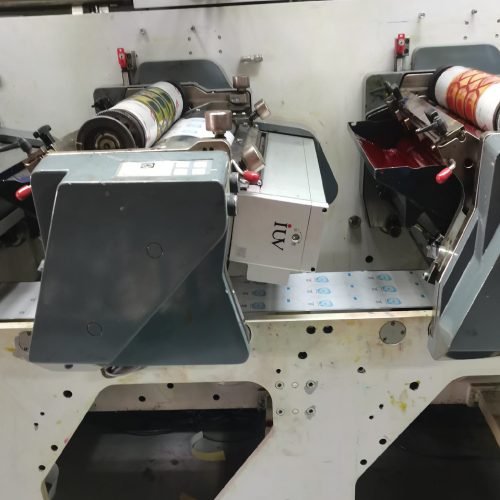
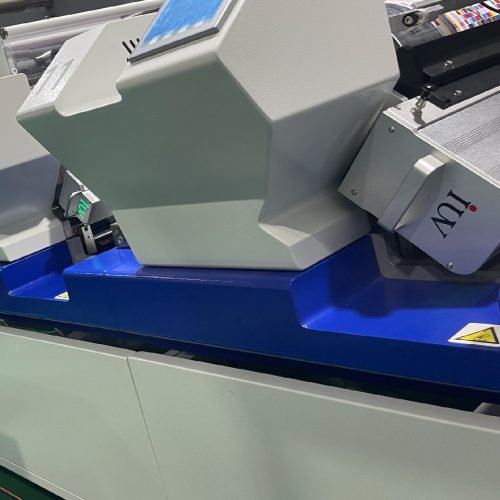
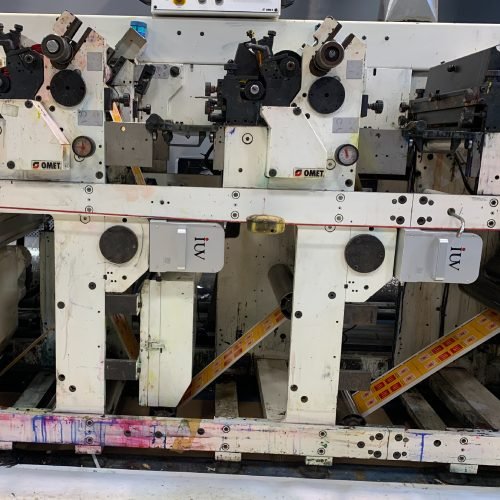
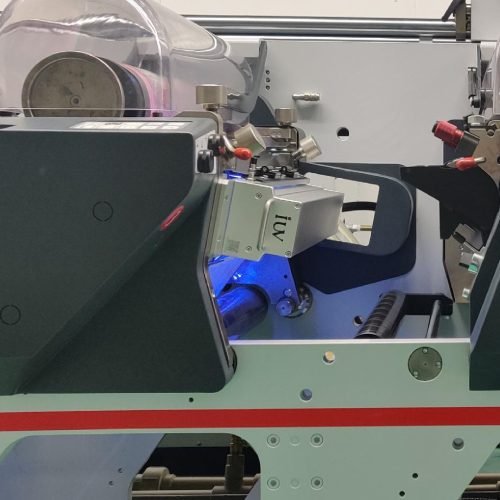
The narrow web printing sector, a cornerstone of label and specialty printing, has been an early and enthusiastic adopter of UV curing. Modern narrow web presses are designed with integrated UV curing stations, allowing for inline production of sophisticated labels. These presses can accommodate various printing technologies, including flexography, offset, and digital, all of which can be effectively combined with UV curing.
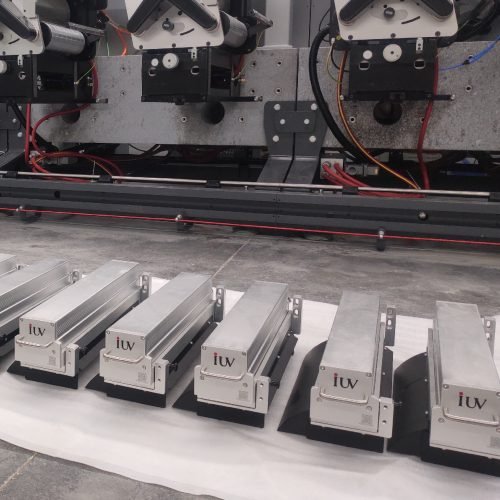
In flexographic printing, UV-anilox rolls deliver precise ink laydown, and UV lamps placed after each color station ensure instant curing. This inline capability means that multi-color jobs with spot UV effects can be produced in a single pass, dramatically reducing setup times and waste. The consistent ink transfer and immediate drying ensure that colors remain sharp and vibrant throughout the print run.
Narrow web offset printing also benefits immensely from UV curing. It allows for the high-quality reproduction typically associated with offset, coupled with the speed and durability of UV inks. This is particularly advantageous for brands requiring intricate designs and fine details on their labels.
The Rise of Automated Workflows
While UV curing itself offers significant advantages, the true power for premium packaging and specialty labels is unlocked when it’s integrated into automated workflows. Automation in this context refers to the streamlining and often complete digitalization of the entire printing process, from pre-press to finishing. This includes automated job submission, digital proofing, automated press setup, inline quality control, and automated finishing.
Automated job submission and management systems ensure that print files are processed efficiently, reducing the potential for human error. Digital workflows allow for quick job changes, a critical aspect for short-run, variable data, or personalized label production. Automated registration systems on the press ensure perfect alignment of multiple colors and special effects, even at high speeds.
Inline Finishing and Special Effects with UV
One of the most exciting aspects of automated UV printing workflows is the ability to perform advanced inline finishing operations. This means that processes like varnishing, foiling, embossing, and even die-cutting can be integrated directly into the printing press, eliminating the need for separate offline finishing steps.
For premium packaging and specialty labels, inline UV coating is a game-changer. A dedicated UV coating station can apply a high-gloss spot varnish over specific areas of a label to create a dramatic contrast with a matte background. This can highlight logos, product names, or key graphics, making them pop and drawing the consumer’s eye. The precision offered by modern UV coating systems allows for intricate patterns and effects that would be difficult or impossible to achieve with offline methods.
Similarly, inline UV-curable adhesives can be used for cold foiling applications. This process applies a UV-curable adhesive to the substrate, which is then brought into contact with a foil. The adhesive is cured with UV light, and the foil adheres only to the printed adhesive areas, leaving the rest of the label bare. This creates stunning metallic effects with exceptional detail and reduces the cost and complexity associated with traditional hot foiling.
Automated die-cutting units can also be integrated inline, allowing for custom label shapes and intricate cut-outs to be produced without the need for separate tooling or setup. This significantly speeds up production and reduces the overall cost of producing uniquely shaped labels.
Benefits for Brand Owners and Print Providers
The adoption of automated UV printing workflows offers distinct advantages for both brand owners and the print providers who serve them.
For brand owners, the benefits are tangible. They receive packaging and labels that are visually superior, more durable, and can incorporate unique tactile and aesthetic features that enhance brand perception. The ability to achieve high-impact finishes like spot UV gloss, matte coatings, and intricate foiling directly on the label allows brands to differentiate themselves on crowded retail shelves. Furthermore, the efficiency of automated workflows can lead to faster turnaround times, helping brands get their products to market more quickly.
For print providers, the advantages are equally compelling. Automated UV workflows lead to increased productivity, reduced waste, and lower labor costs due to less manual intervention. The ability to handle a wider range of demanding jobs, including those requiring complex finishes and short runs, expands their service offering and competitive edge. The robust nature of UV-cured prints also means fewer rejections and a higher quality output, leading to greater customer satisfaction and repeat business.
Addressing Challenges and Future Trends
While the benefits are clear, implementing automated UV printing workflows requires careful consideration. Investing in advanced narrow web presses with integrated UV curing and finishing capabilities is a significant capital expenditure. Training personnel to operate and maintain this sophisticated equipment is also essential.
However, the return on investment can be substantial, especially for print providers focused on the premium packaging and specialty label markets. The demand for unique, high-impact labels and packaging continues to grow, driven by brand differentiation strategies and evolving consumer expectations.
Looking ahead, the trend towards greater automation and integration will only accelerate. We can expect to see even more advanced inline finishing options, enhanced digital integration for tighter workflow control, and a continued focus on sustainability. UV-curable inks and coatings are inherently more environmentally friendly than solvent-based alternatives, as they contain very low or zero VOCs (Volatile Organic Compounds) and cure instantly, requiring less energy than thermal drying.
The future of premium packaging and specialty labels is undeniably intertwined with automated UV printing workflows. By harnessing the power of UV technology and intelligent automation, print providers can deliver exceptional quality, unique finishes, and unparalleled efficiency, setting themselves apart in a demanding and dynamic industry. This synergy between advanced printing technology and streamlined processes empowers brands to create packaging that not only protects their products but also captivates consumers and elevates their brand presence.