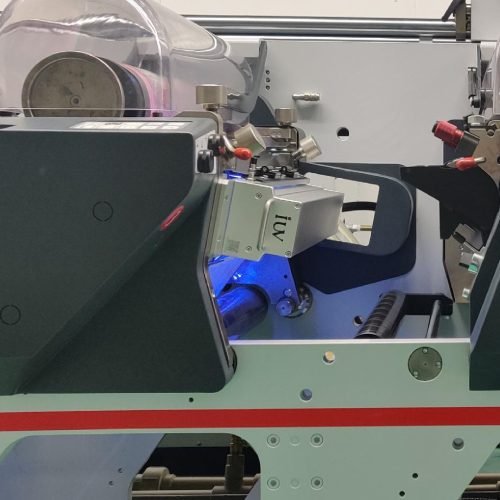
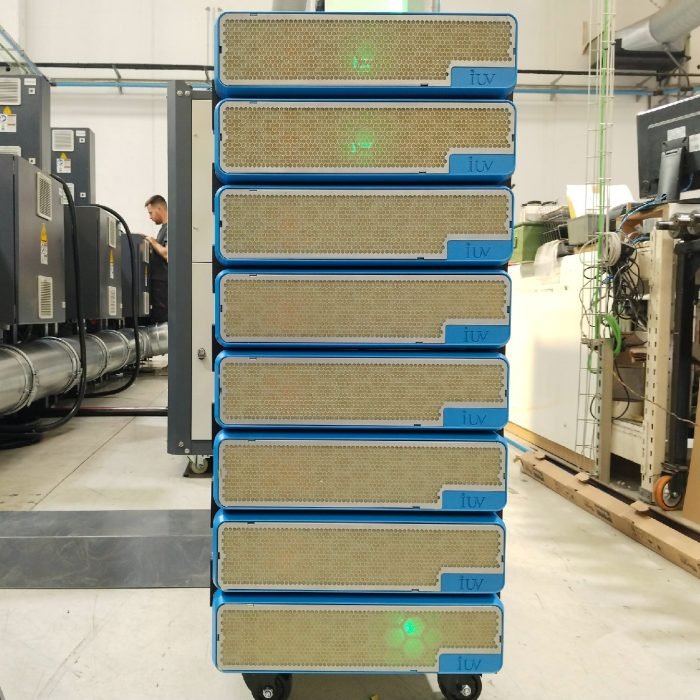
In the fast-paced world of narrow-web printing, efficiency and waste reduction are paramount. Every wasted label, every misprinted substrate, translates directly to lost profit. One area where significant improvements can be made is in the UV curing process, particularly with the adoption of LED UV technology. Implementing smart curing control systems within narrow-web LED flexo presses offers a powerful solution to minimize waste, enhance print quality, and boost overall operational productivity.
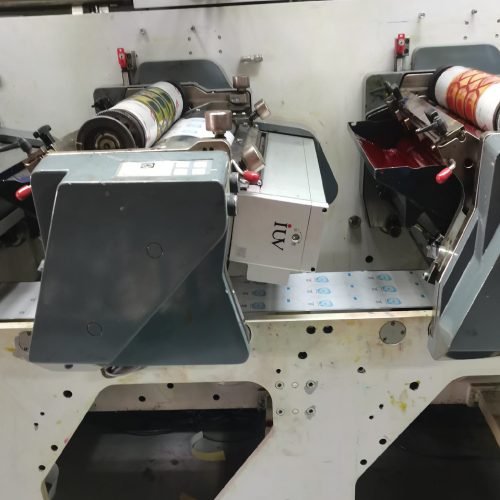
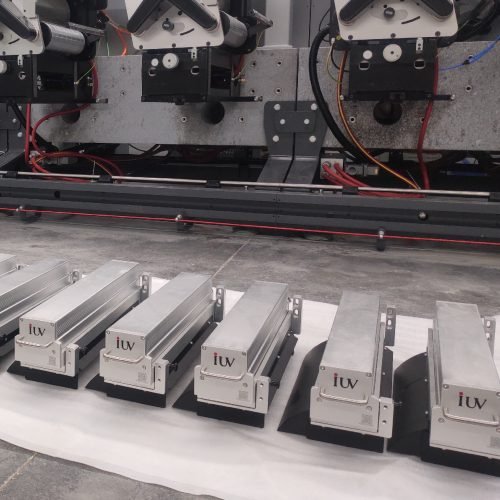
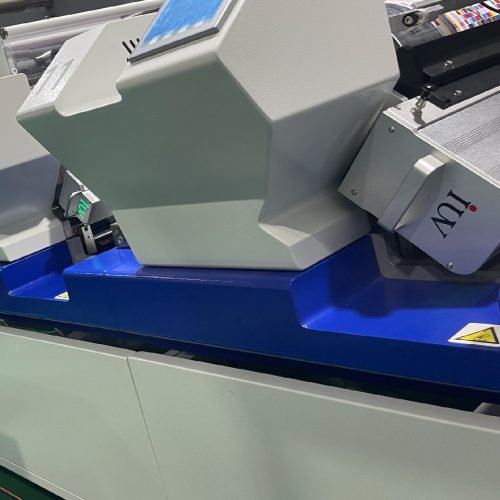
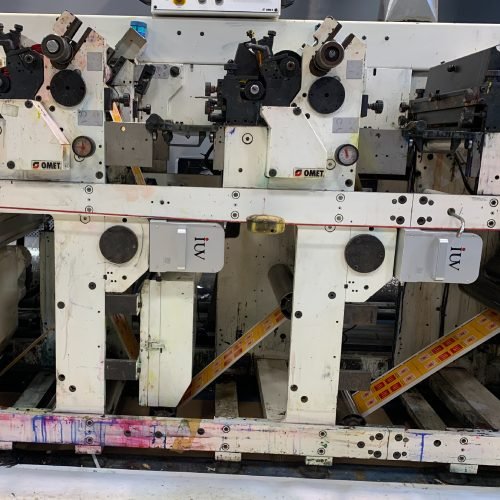
The shift towards LED UV curing in flexographic printing, especially for narrow-web applications like labels and flexible packaging, has been driven by several factors. Unlike traditional mercury vapor lamps, LED UV systems offer a more focused and controllable light spectrum. This targeted approach not only consumes less energy but also generates less heat, which is crucial for heat-sensitive substrates commonly used in label printing. However, simply installing LED UV units is only part of the equation. The real magic happens when curing is precisely managed.
Understanding the Nuances of UV Curing
UV curing is the process by which liquid inks, coatings, or adhesives are exposed to UV light, causing them to rapidly polymerize and solidify. In flexographic printing, this rapid curing allows for faster press speeds and the ability to print on a wider range of non-absorbent materials. The effectiveness of UV curing depends on several key variables: the intensity of the UV light, the wavelength of that light, the duration of exposure, and the chemistry of the ink or coating being used.
Traditional mercury lamps emit a broad spectrum of UV light, which can be less efficient and generate more heat. LED UV lamps, on the other hand, emit light at specific wavelengths, typically in the UVA range (365nm, 385nm, 395nm, 405nm). This specificity means that the energy is delivered precisely where it’s needed for effective polymerization, leading to better cure and reduced waste from incompletely cured ink.
The Challenge of Inconsistent Curing
Inconsistent UV curing is a primary culprit behind printing waste. If the UV energy delivered is too low, the ink or coating may not cure fully. This can lead to issues such as poor adhesion, ink rub-off, blocking (where printed surfaces stick together under pressure), and the inability to perform subsequent processes like lamination or die-cutting. Such defects often mean entire print runs must be scrapped, representing a substantial financial loss and environmental impact.
Conversely, over-curing can also be problematic. Excessive UV exposure can cause yellowing of the substrate or ink, brittleness, and even damage to heat-sensitive materials. It also represents wasted energy and can potentially lead to premature wear on the LED emitters. Achieving the “sweet spot” for perfect cure is essential.
Introducing Smart Curing Control
Smart curing control systems elevate the UV curing process from a static setting to a dynamic, responsive operation. These systems integrate sensors and advanced software to monitor and adjust curing parameters in real-time. This intelligent management is what truly sets apart modern, efficient narrow-web LED flexo presses.
These control systems can take into account various factors that influence curing. For example, they can monitor the distance between the LED emitters and the substrate. As presses run at high speeds, maintaining a consistent distance is critical. Variations can occur due to web flutter or uneven roller pressure, and smart systems can compensate.
Furthermore, modern systems can analyze the ink laydown. Thicker ink films require more UV energy to cure completely than thinner films. By integrating with the press’s digital workflow or using inline color measurement devices, the curing system can adjust its output based on the specific ink density in different areas of the print. This prevents under-curing in heavy ink areas and over-curing in lighter areas.
Real-Time Monitoring and Adjustment
A core component of smart curing control is real-time monitoring. This involves using specialized sensors to measure the UV irradiance (the amount of UV power delivered per unit area) reaching the substrate. This data is fed back to the control system, which can then make instant adjustments to the power output of the LED modules.
Consider a situation where the press speed fluctuates slightly. A smart curing system can detect this change and automatically increase or decrease the UV output to maintain the correct exposure dose. Similarly, if the ambient temperature or humidity changes, which can subtly affect curing rates, the system can compensate to ensure consistent results.
This proactive approach means that deviations from ideal curing conditions are addressed before they result in defective prints. Instead of discovering problems at the end of a run, printers can have confidence that the curing is optimized from the first label to the last.
Benefits for Narrow-Web Flexo Printing
The impact of smart curing control on narrow-web flexo printing is multifaceted, but the most significant advantage is undoubtedly waste reduction.
- Reduced Ink and Substrate Waste: By ensuring consistent and optimal curing, printers drastically reduce the number of scrapped labels. This directly saves on the cost of expensive inks, coatings, and the substrate material itself.
- Improved Print Quality and Consistency: Perfect cure means enhanced ink adhesion, better rub resistance, and vibrant, true colors. This leads to higher quality finished products that meet customer expectations, reducing complaints and costly reprints.
- Higher Press Speeds and Throughput: When the curing process is reliable and efficient, presses can be run at their maximum speeds without fear of compromising print quality. This increases overall production throughput and allows for faster turnaround times.
- Energy Savings: While LED UV is already more energy-efficient than traditional lamps, smart control optimizes energy usage further. The system only delivers the necessary UV power, avoiding unnecessary energy consumption.
- Extended LED Lifespan: By operating the LEDs within their optimal parameters and avoiding over-driving them, smart control systems can contribute to a longer service life for the expensive LED modules.
- Reduced Downtime: Fewer printing defects mean less time spent troubleshooting and re-running jobs. This contributes to greater press uptime and overall operational efficiency.
- Enhanced Processability: Properly cured inks and coatings ensure that subsequent processes, such as die-cutting, slitting, or hot foil stamping, can be performed without issues, preventing further waste downstream.
Integration with Press Automation
The most advanced smart curing control systems are not standalone units but are deeply integrated with the overall press automation. This integration allows for seamless communication between different press components. For instance, job management software can pre-program specific curing profiles for different inks and substrates. When a new job is loaded, the curing system automatically adjusts to the required settings, eliminating manual setup errors.
Inline inspection systems can also play a role. If an inspection system detects a defect that might be related to curing, it can signal the curing control to make immediate adjustments or even halt the press. This closed-loop feedback mechanism is the pinnacle of intelligent printing control.
The Future is Smart and Controlled
As the printing industry continues to demand higher quality, faster turnarounds, and greater sustainability, the role of smart curing control in narrow-web LED flexo presses will only become more critical. It’s no longer just about applying ink; it’s about intelligently managing the entire printing process. By embracing these advanced technologies, label printers can unlock significant savings, improve their environmental footprint, and gain a competitive edge in a demanding market. The move towards smart, adaptive curing is not just an upgrade; it’s a fundamental shift towards more efficient, sustainable, and profitable narrow-web printing.