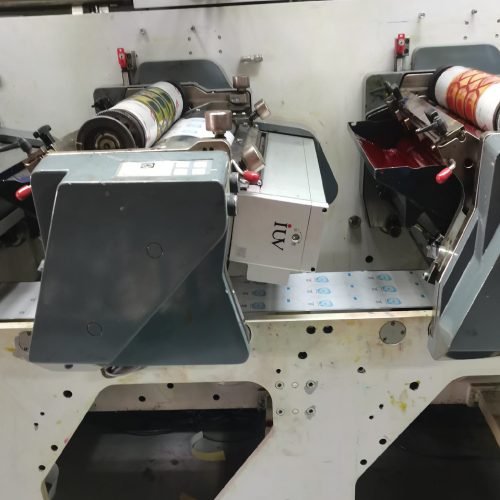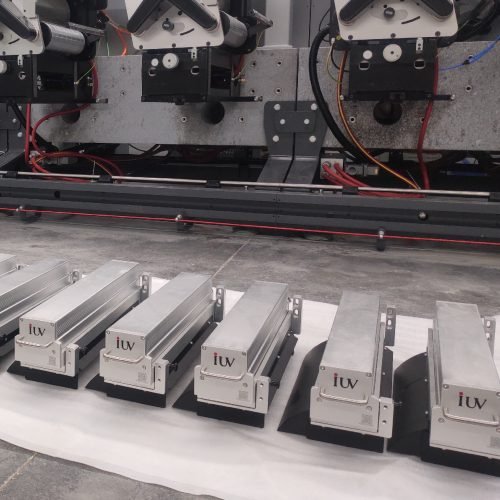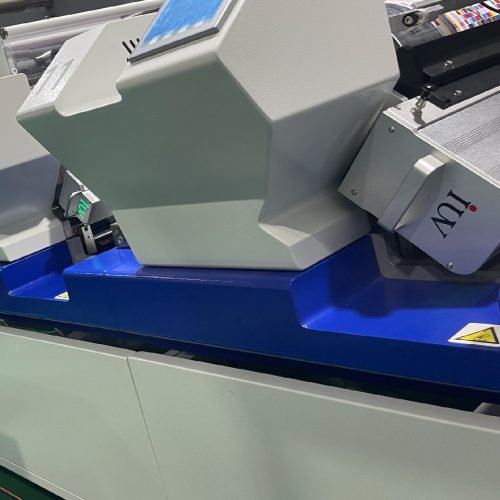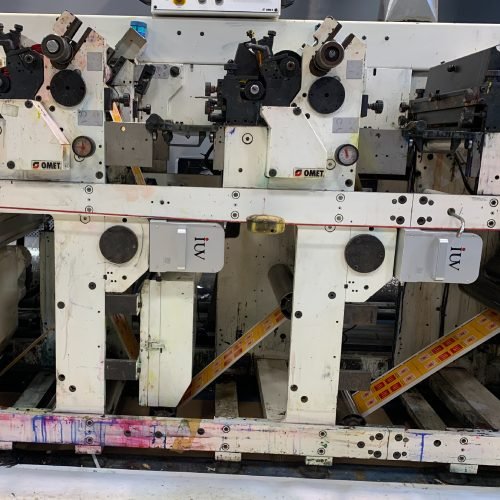
Integrating LED UV systems into your narrow-web flexo printing lines can bring significant advantages. This guide focuses on the practical aspects of this upgrade, ensuring a smooth transition and maximizing benefits for label printers. We’ll explore the core technologies and considerations involved.
The Rise of LED UV in Narrow-Web Flexo
For years, traditional UV curing systems have been a staple in narrow-web flexography. These systems, often mercury-based, have served the industry well. However, the landscape is shifting. LED UV technology offers a compelling alternative, driven by advancements in both printing processes and environmental awareness. Narrow-web printing, predominantly used for labels and flexible packaging, benefits immensely from the precise and efficient curing that LED UV provides.
Understanding LED UV Curing Technology
Unlike mercury lamps that emit a broad spectrum of UV light, LED UV systems use light-emitting diodes. These diodes emit UV light at specific wavelengths, typically in the UVA range (365nm, 385nm, 395nm, 405nm). This targeted emission is a key advantage. It means you’re delivering energy precisely where it’s needed for effective curing. This efficiency translates into faster cure speeds and improved print quality.
Key Advantages of LED UV for Flexo
The benefits of adopting LED UV curing are multifaceted. Energy efficiency is a major draw. LEDs consume significantly less power than traditional mercury lamps. This can lead to substantial cost savings on electricity bills, especially for high-volume print operations. Furthermore, LEDs generate less heat. This is critical for heat-sensitive substrates often used in label printing, reducing the risk of warping or distortion.
Another significant advantage is the long lifespan of LED lamps. While mercury lamps have a limited operational life and require frequent replacement, LEDs can last tens of thousands of hours. This drastically reduces downtime and maintenance costs associated with lamp changes. The instant on/off capability of LEDs also contributes to efficiency, eliminating warm-up and cool-down periods.
Compatibility with Existing Narrow-Web Presses
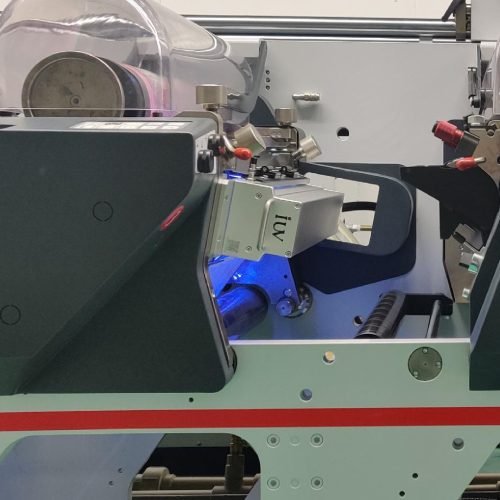
One of the primary concerns for printers is how well LED UV systems integrate with their current narrow-web flexo presses. Fortunately, modern LED UV systems are designed with retrofitting in mind. They are available in various configurations, including air-cooled and water-cooled options, to suit different press designs and environmental conditions.
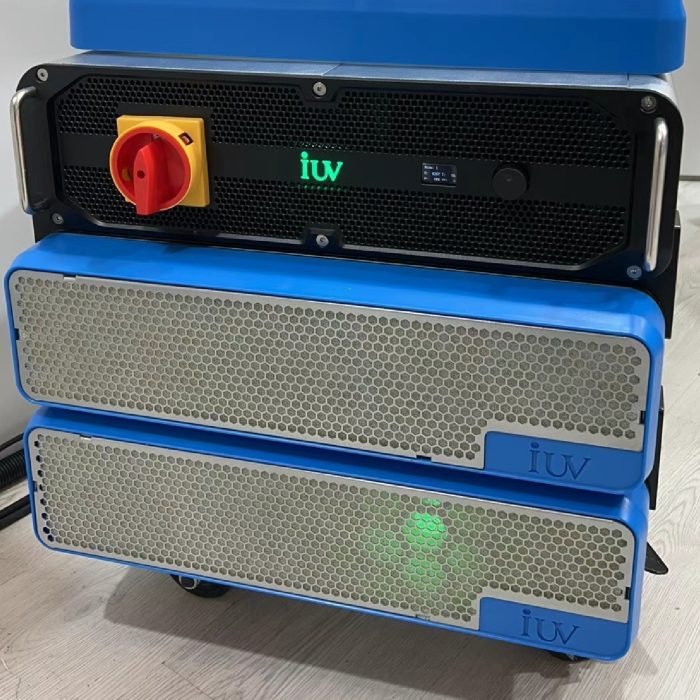
When considering an upgrade, it’s important to assess the available space on your press. The physical dimensions of the LED curing unit, including the lamp head and associated power supply, must be compatible with your existing machine layout. Many manufacturers offer compact designs that can be easily installed between print stations or at the end of the line.
Substrate Considerations for LED UV
The ability to print on a wider range of substrates is another compelling reason to consider LED UV. Because LEDs produce less heat, they are ideal for heat-sensitive materials such as thin films, certain plastics, and even some papers. This opens up new application possibilities for label printers, allowing them to cater to diverse market demands.
However, it’s essential to use UV-curable inks and coatings specifically formulated for LED UV systems. These formulations are designed to cure efficiently under the specific wavelengths emitted by the LEDs. Not all traditional UV inks will cure effectively with LED technology, so selecting the right consumables is paramount.
Ink and Coating Formulations for LED UV
The development of LED UV-curable inks and coatings has been crucial for the technology’s success. These formulations contain photoinitiators that are sensitive to the specific wavelengths emitted by LED lamps. When exposed to this light, the photoinitiators trigger a chemical reaction that rapidly polymerizes the ink or coating, forming a durable, cured film.
When selecting inks and coatings, consult with your ink supplier. They can guide you on the best products for your chosen press and substrates. Factors to consider include adhesion, rub resistance, chemical resistance, and the specific color requirements for your label designs. The goal is to achieve optimal curing performance without compromising on print quality or durability.
Performance Metrics and ROI
The return on investment (ROI) for integrating LED UV systems is often attractive. The reduced energy consumption, lower maintenance costs, and increased production speeds contribute to a faster payback period. Quantifying these benefits involves tracking energy usage before and after the upgrade, monitoring lamp replacement frequency, and measuring any improvements in throughput or reduced waste.
Consider the lifespan of the LED lamps compared to traditional mercury lamps. If you’re replacing mercury lamps every few hundred hours, the long-term savings from LED lamps become very apparent. Furthermore, the enhanced curing capabilities can lead to fewer rejected jobs, further boosting profitability.
Implementing the Transition: A Step-by-Step Approach
Successfully integrating LED UV systems requires careful planning and execution.
- Assessment: Evaluate your current narrow-web flexo press capabilities, including power supply, cooling, and available space. Assess your typical substrate types and ink requirements.
- Supplier Consultation: Engage with reputable LED UV system manufacturers. Discuss your specific needs and request demonstrations or trials if possible.
- Ink and Coating Selection: Work with your ink suppliers to identify compatible LED UV formulations. Test these thoroughly on your press with your chosen substrates.
- Installation: Professional installation by the manufacturer or a qualified technician is recommended. This ensures proper setup, wiring, and alignment.
- Testing and Optimization: After installation, conduct thorough testing. Optimize curing parameters (power, exposure time) for different jobs to achieve the best results. Monitor adhesion, cure depth, and surface properties.
- Operator Training: Ensure your press operators are adequately trained on the new LED UV system, including its operation, maintenance, and safety procedures.
Challenges and Solutions
While the benefits are clear, some challenges may arise. One common concern is ensuring adequate curing for dense ink areas or on challenging substrates. This often requires careful ink formulation and potentially adjusting the lamp’s power output or position.
Another consideration is the initial investment cost. LED UV systems can represent a significant upfront expenditure. However, by carefully calculating the long-term savings in energy, maintenance, and potential for new business opportunities, the ROI often justifies the cost.
The Future of Narrow-Web Printing and LED UV
The trend towards more sustainable and efficient printing processes continues to grow. LED UV technology aligns perfectly with these objectives. As the technology matures and costs continue to decrease, its adoption in the narrow-web flexo sector is expected to accelerate. For label printers looking to enhance their capabilities, improve efficiency, and reduce their environmental footprint, integrating LED UV systems is a strategic move.
Conclusion
Upgrading your narrow-web flexo lines with LED UV curing technology offers a compelling path to improved performance and cost savings. By understanding the technology, carefully selecting compatible consumables, and planning the integration process, printers can effectively leverage the advantages of LED UV for enhanced productivity and print quality.