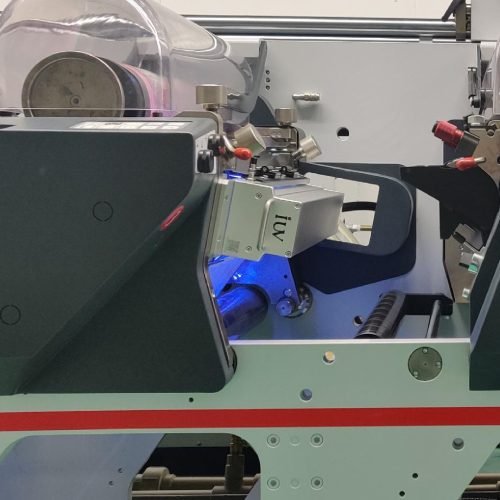
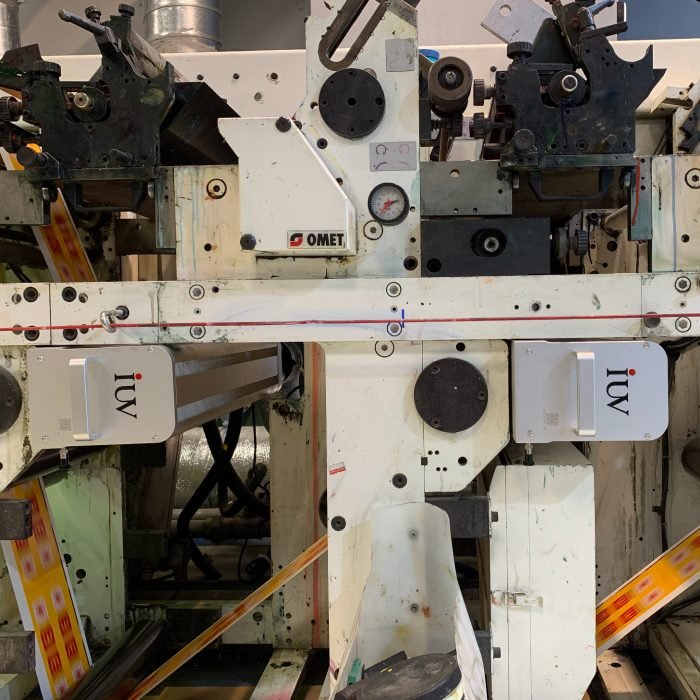
The shift to LED curing in narrow-web flexography is more than just a technological upgrade; it’s a strategic move that offers tangible benefits, from significant waste reduction to a marked increase in production throughput. For label printers, this evolution in UV curing technology presents a compelling case for adoption.
Understanding the Core of UV Curing
Before diving into the specifics of LED curing, it’s helpful to briefly recap what UV curing entails. Traditionally, UV curing systems in flexography have relied on mercury vapor lamps. These lamps emit ultraviolet light, which initiates a photochemical reaction in specially formulated inks, coatings, and adhesives. This reaction causes the liquid to instantly solidify, or “cure.” This rapid curing process is a cornerstone of modern printing, enabling high-speed production and immediate finishing.
The Limitations of Traditional UV Curing
While mercury vapor lamps have served the industry well, they come with certain drawbacks that have become increasingly apparent in today’s competitive and environmentally conscious landscape.
- Energy Consumption: Mercury lamps are notoriously power-hungry. A significant portion of the energy they consume is converted into heat, not UV light, leading to high operational costs and a larger carbon footprint.
- Heat Generation: The intense heat generated by mercury lamps can affect the substrate, particularly thin films or heat-sensitive materials. This often necessitates complex cooling systems, adding to equipment cost and maintenance.
- Lamp Degradation and Waste: Mercury lamps degrade over time, meaning their UV output diminishes. They also have a finite lifespan and, being made of glass and containing mercury, pose disposal challenges.
- Warm-up and Cool-down: Mercury lamps require a warm-up period before reaching optimal output and a cool-down period before they can be safely handled or shut off. This adds to setup and changeover times.
- Specific Wavelengths: Mercury lamps emit a broad spectrum of UV light, some of which may not be optimally used by all UV-curable inks. This can lead to inefficiencies.
Enter LED Curing: A Paradigm Shift
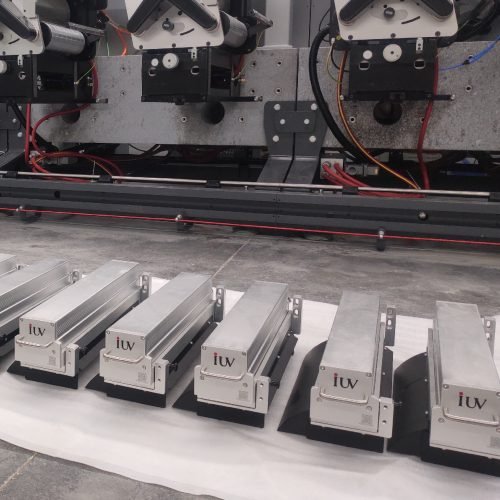
Light Emitting Diode (LED) curing technology offers a cleaner, more efficient, and versatile alternative to traditional mercury vapor lamps. Instead of a bulb, LED systems utilize arrays of semiconductors that emit UV light when an electric current passes through them. This fundamental difference unlocks a host of advantages for narrow-web flexographic printing.
Waste Reduction: A Key Advantage
One of the most immediate and impactful benefits of adopting LED curing is its contribution to waste reduction. This manifests in several ways:
- Reduced Substrate Rejection: The controlled and consistent UV output of LEDs, combined with their lower heat emission, significantly reduces the risk of substrate distortion or degradation. This means fewer printed sheets or rolls are rejected due to printing defects caused by excessive heat.
- Lower Energy Waste: Unlike mercury lamps, LEDs convert a much higher percentage of electrical energy directly into UV light. This translates to substantial energy savings and a reduced environmental impact, aligning with growing demands for sustainable printing practices.
- No Mercury: LED systems contain no mercury, eliminating the hazardous waste associated with disposing of mercury vapor lamps. This simplifies end-of-life management and contributes to a safer working environment.
- Consistent Output: LEDs maintain their UV output much more consistently throughout their lifespan compared to mercury lamps. This consistent performance minimizes the need for frequent adjustments or recalibrations, which can often lead to waste during setup and testing.
- Instant On/Off: LEDs turn on and off instantly. This eliminates the warm-up and cool-down times associated with mercury lamps. For printers who frequently change jobs or run short runs, this capability drastically reduces wasted time and material during setup and changeovers.
Higher Throughput: Driving Productivity
Beyond waste reduction, LED curing directly contributes to increased production throughput. This is achieved through:
- Higher Printing Speeds: LED systems can deliver the necessary UV dose at higher intensities and with greater efficiency. This allows presses to run at faster speeds without compromising cure quality. For narrow-web flexography, where speed is paramount for label production, this is a significant advantage.
- Elimination of Drying Stations: The instant curing provided by LEDs means that heat-set drying stations, which are often required with conventional inks or even some UV systems to fully cure the ink and evaporate solvents, become redundant. This simplifies press design, reduces capital investment, and frees up valuable press space.
- Reduced Downtime: The long lifespan of LED lamps (often tens of thousands of hours) means far fewer lamp replacements are needed compared to mercury lamps. This minimizes unexpected downtime and maintenance interruptions, keeping the press running and increasing overall productivity.
- Faster Job Turnaround: The ability to print, cure, and finish jobs rapidly, without the delays of cooling or drying, accelerates the entire production cycle. This allows for quicker job turnaround times, a crucial competitive edge in the fast-paced label market.
- Flexibility with Inks and Substrates: LED curing systems are often available in specific wavelength configurations (e.g., 365nm, 395nm). This allows printers to optimize curing for particular ink chemistries and to reliably print on a wider range of substrates, including thinner and more heat-sensitive materials, without the risk of warping or damage. This flexibility can open up new market opportunities.
Specific Applications in Narrow-Web Flexography
The benefits of LED curing are particularly pronounced in the narrow-web flexographic sector, which typically handles label and flexible packaging production.
- Label Printing: The demand for vibrant, durable, and eye-catching labels continues to grow. LED curing enables printers to achieve superior print quality with excellent scratch and chemical resistance, even on challenging substrates. The ability to print at high speeds on a variety of films and papers without heat-related issues is invaluable.
- Shrink Sleeves: The heat involved in shrink sleeve application can be a concern for traditional UV curing. LED technology’s cooler operation makes it ideal for printing shrink sleeves, ensuring dimensional stability during the printing process.
- In-Mold Labels (IMLs): IMLs require inks and coatings that can withstand the molding process. LED-cured inks offer the necessary durability and adhesion, while the controlled curing ensures consistent performance for these demanding applications.
- Flexible Packaging: While often associated with wider web presses, narrow-web flexography is increasingly used for short-run flexible packaging. LED curing’s efficiency, lower heat, and faster speeds make it a viable and attractive option for this growing market segment.
Considerations for Implementing LED Curing
While the advantages are clear, a successful transition to LED curing involves careful planning.
- Ink Compatibility: Not all traditional UV inks are formulated for LED curing. Printers will need to ensure they are using inks specifically designed for LED wavelengths. Fortunately, ink manufacturers have developed a wide range of LED-curable inks for various applications.
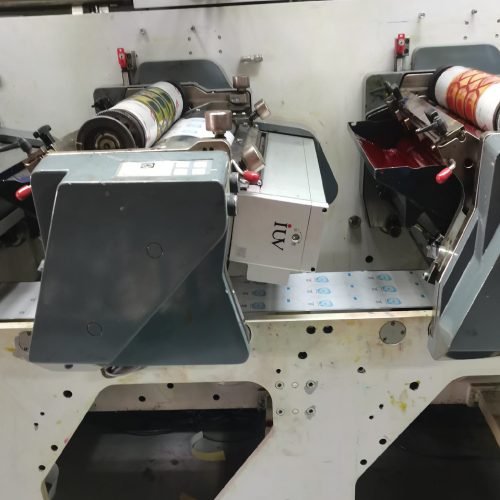
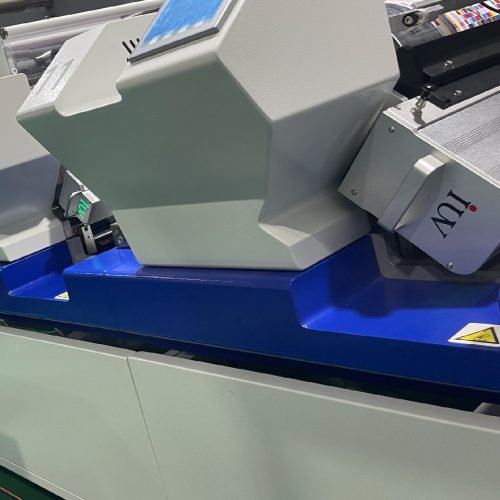
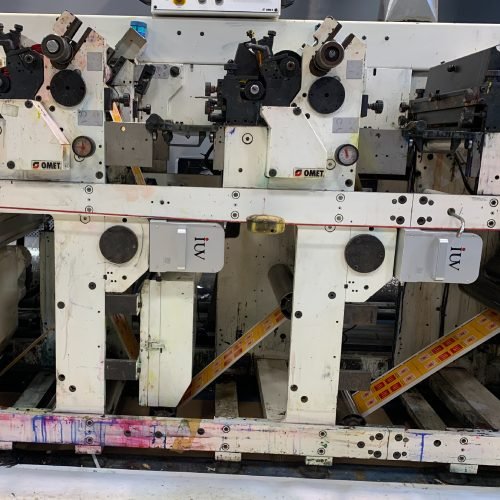
- Press Retrofitting: Existing flexographic presses can often be retrofitted with LED curing units. This requires careful consideration of space, power requirements, and integration with the press’s control systems.
- Wavelength Selection: Choosing the correct LED wavelength (e.g., 365nm, 395nm) is critical and depends on the specific ink chemistry and substrate being used. Manufacturers can provide guidance on optimal configurations.
- Investment Cost: While operational savings are substantial, the initial investment in LED curing systems can be higher than for traditional mercury lamps. However, the long-term benefits in terms of energy savings, waste reduction, and increased productivity often lead to a strong return on investment.
The Future is Bright with LED Curing
The adoption of LED curing in narrow-web flexography is a testament to innovation driving tangible business improvements. By offering a path to reduced waste, higher throughput, improved print quality, and enhanced sustainability, LED technology is not just a trend but a fundamental shift in how labels and flexible packaging are produced. For printers looking to stay competitive, enhance their environmental credentials, and boost their bottom line, embracing LED curing is a strategic imperative. The consistent, efficient, and cooler curing capabilities empower printers to meet the evolving demands of the market with greater agility and profitability.