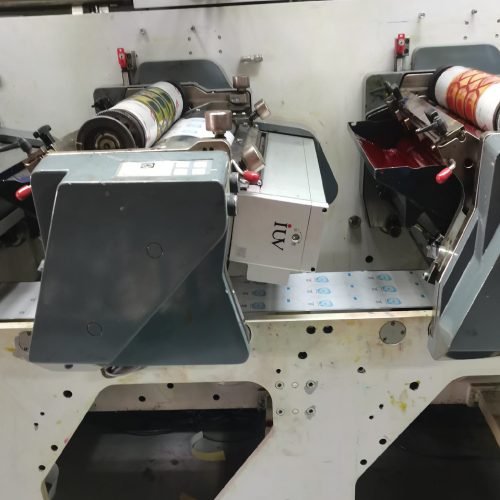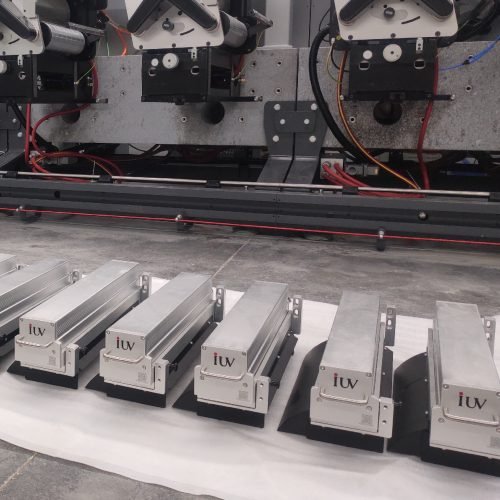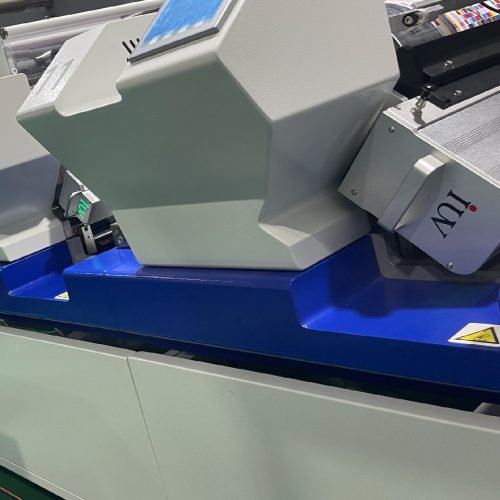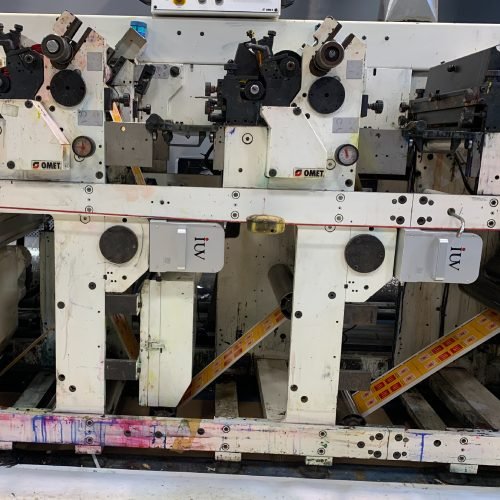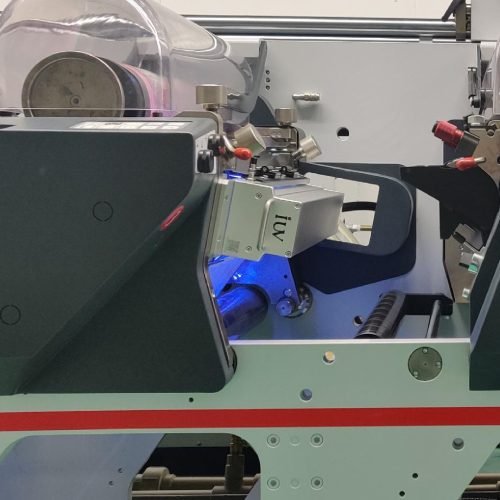
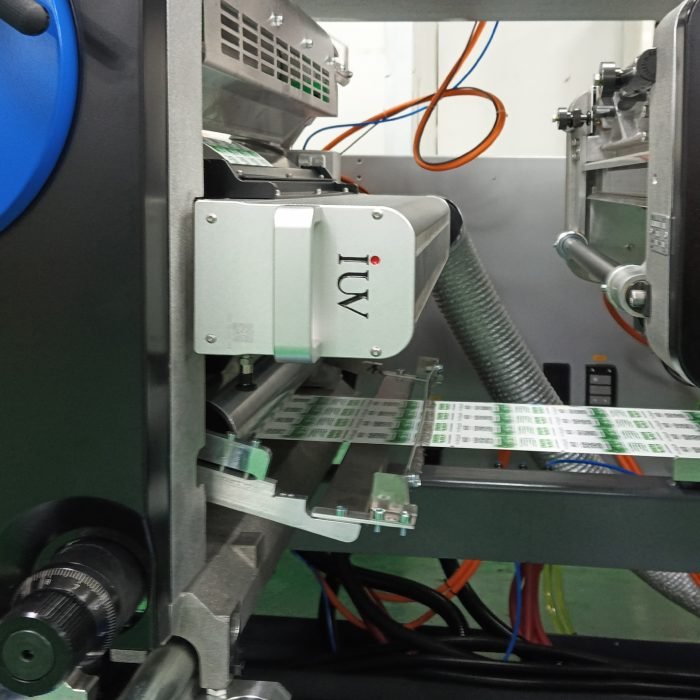
In label printing, flexographic production, offset applications, and narrow web converting, LED UV curing systems are expected to deliver consistent irradiance, stable curing performance, and long operational life. However, these expectations depend heavily on maintenance discipline. Optical window contamination and cooling inefficiency are two of the most common causes of performance degradation in LED UV systems. When not controlled properly, they lead to reduced curing intensity, uneven polymerization, substrate instability, and gradual loss of print quality.
Preventive maintenance protocols are therefore essential, not only for protecting the curing unit itself, but also for ensuring stable production in demanding environments such as pressure-sensitive label printing and high-speed narrow web operations. In modern production lines, including those commonly associated with Nilpeter press platforms, maintaining optical clarity and thermal stability is directly linked to print consistency and uptime.
Why Optical Window Cleanliness Directly Affects Curing Performance
The optical window in an LED UV curing system serves as the interface between the LED array and the printed substrate. It is designed to transmit UV energy efficiently while protecting internal components from contamination, ink mist, dust, and mechanical damage. Any reduction in optical clarity directly reduces the amount of UV energy reaching the ink or coating surface.
In flexographic and label printing environments, airborne contamination is unavoidable. Ink particles, coating residues, paper dust, adhesive vapors, and environmental debris can accumulate on the optical window over time. Even a thin layer of contamination can significantly reduce irradiance output, especially in narrow wavelength LED systems where energy transmission efficiency is critical.
This reduction is often gradual and not immediately visible during routine operation. Operators may compensate unknowingly by reducing press speed or increasing curing intensity, masking the underlying issue. Without proper maintenance protocols, the system continues to lose efficiency while increasing operational stress.
The Impact of Optical Contamination on Print Quality
Optical window contamination affects more than energy output. It also influences curing uniformity across the web. When contamination is uneven, the UV intensity distribution becomes inconsistent, leading to localized curing variation.
In narrow web label printing, this can result in gloss inconsistency, incomplete polymerization in certain areas, poor adhesion, surface defects, or variations in coating hardness. In flexographic printing, it may affect ink trapping behavior, especially in multi-color wet-on-wet sequences where consistent curing between stations is critical.
These issues often appear as print quality instability rather than a clear equipment problem. This makes preventive cleaning protocols essential for maintaining predictable curing behavior across all production conditions.
Cleaning Frequency Must Reflect Production Reality
One of the most important aspects of preventive maintenance is establishing an appropriate cleaning frequency for the optical window. This frequency should be based on actual production conditions rather than fixed time intervals.
In environments with heavy ink coverage, high coating usage, or frequent adhesive exposure, contamination builds faster. In narrow web operations running pressure-sensitive labels, adhesive outgassing and liner dust can accelerate window fouling. In contrast, cleaner environments or low-coverage jobs may allow longer intervals between cleaning cycles.
The most effective maintenance programs monitor performance indicators such as curing consistency, gloss stability, and energy output trends. When these begin to shift, cleaning should be performed before defects become visible in finished products.
Proper Cleaning Methods Protect Optical Integrity
Cleaning the optical window requires careful handling to avoid damaging the surface or altering its transmission properties. The window material is engineered for high UV transparency, and improper cleaning methods can cause scratches, haze formation, or chemical damage.
Soft, lint-free materials should be used during cleaning, along with approved cleaning solutions that do not leave residue. Abrasive materials or aggressive solvents must be avoided, as they can permanently reduce optical efficiency.
In high-volume label and flexographic production, it is important to standardize cleaning procedures so that all operators follow the same method. Consistency in cleaning practice ensures that the optical surface remains stable over time and that maintenance does not introduce new performance issues.
Cooling Efficiency Is Critical for LED UV System Stability
While LED UV systems generate less heat than conventional mercury lamps, thermal management remains a critical factor in maintaining curing performance. LED output is sensitive to temperature, and excessive heat can reduce irradiance, shift spectral output, and shorten component lifespan.
Cooling systems in LED UV units typically rely on air or liquid circulation to maintain stable operating temperatures. If cooling efficiency declines, the system may continue to operate, but with reduced performance and increased variability.
In narrow web printing, where curing consistency is essential for multi-station processes, even small fluctuations in output can affect print quality. Maintaining cooling efficiency is therefore as important as maintaining optical clarity.
Airflow Management Plays a Key Role in Cooling Performance
For air-cooled LED UV systems, airflow is the primary mechanism for removing heat from the curing head. Dust accumulation, blocked filters, or restricted air paths can reduce cooling effectiveness and cause localized overheating.
In label printing environments, airborne particles from paper, coatings, and adhesives can quickly clog filters and accumulate inside airflow channels. Without regular inspection and cleaning, airflow resistance increases, reducing the system’s ability to maintain stable temperature.
Preventive maintenance should include routine inspection of air filters, intake vents, and exhaust paths. Ensuring that airflow remains unobstructed helps maintain consistent LED performance and prevents thermal stress on internal components.
Liquid Cooling Systems Require Consistent Monitoring
Many high-performance LED UV systems use liquid cooling to achieve precise thermal control. These systems depend on stable coolant flow, clean heat exchangers, and reliable pump operation.
If coolant flow is reduced or contaminated, heat transfer efficiency declines. This can lead to gradual temperature rise within the LED array, affecting output stability and long-term reliability. In severe cases, it may trigger system shutdowns or component failure.
Preventive maintenance protocols should include regular checks of coolant levels, flow rates, and system pressure. Heat exchangers and cooling lines should be inspected for buildup or blockage. Maintaining proper cooling conditions ensures that LED output remains consistent across different production speeds and job types.
Temperature Stability Supports Consistent Curing Results
Temperature fluctuations within the LED UV system can lead to changes in irradiance output and curing behavior. In label and narrow web printing, this may appear as variation in adhesion, gloss, or surface hardness between runs.
Stable cooling ensures that the LED system operates within its designed temperature range, providing consistent energy delivery. This is particularly important in multi-color flexographic printing where each station depends on predictable curing performance to maintain ink trapping and layer stability.
By controlling temperature variation, preventive maintenance helps maintain a stable curing window, reducing the need for operator adjustments during production.
Integration of Maintenance Protocols into Daily Operation
Preventive maintenance should not be treated as a separate activity from production. In efficient narrow web operations, maintenance routines are integrated into daily workflow to minimize disruption.
Quick visual inspections, scheduled cleaning intervals, and routine airflow checks can be performed during job changes or planned downtime. By embedding maintenance into normal operation, the press remains in optimal condition without requiring extended shutdown periods.
This approach is especially effective in high-utilization environments where downtime has a direct impact on productivity. Regular attention to optical and cooling systems prevents larger issues that would otherwise require more extensive intervention.
Data Monitoring Enhances Preventive Maintenance Effectiveness
Modern LED UV systems often include monitoring capabilities for irradiance output, temperature, and system status. These data points provide valuable insight into system performance over time.
By tracking trends in output and temperature, operators can identify early signs of contamination or cooling inefficiency. This allows maintenance to be performed proactively rather than reactively.
In advanced label printing environments, combining data monitoring with standardized maintenance protocols creates a more reliable production process. It also reduces variability between operators and shifts, ensuring consistent curing performance.
Long-Term Benefits of Structured Maintenance Protocols
Consistent preventive maintenance delivers measurable benefits in LED UV printing operations. Optical window cleanliness ensures maximum energy transmission, reducing the need for higher power settings and improving energy efficiency. Effective cooling maintains stable output, extending component life and reducing the risk of unexpected downtime.
In flexographic, offset, and narrow web label production, these benefits translate into better print quality, more consistent adhesion, reduced waste, and improved production reliability. Maintenance protocols therefore contribute directly to both operational efficiency and product quality.
Conclusion
Preventive maintenance protocols for optical window cleanliness and cooling efficiency are essential for maintaining stable performance in LED UV curing systems used in label printing, flexographic production, offset applications, and narrow web converting. Clean optical surfaces ensure efficient energy transmission, while effective cooling maintains consistent output and system reliability.
When maintenance is integrated into daily operation and supported by proper procedures and monitoring, LED UV systems deliver stable curing performance across a wide range of substrates and print conditions. In modern production environments, maintaining optical clarity and thermal stability is a key factor in achieving consistent, high-quality results.