Energy Efficiency in Label Printing Through LED UV Technology
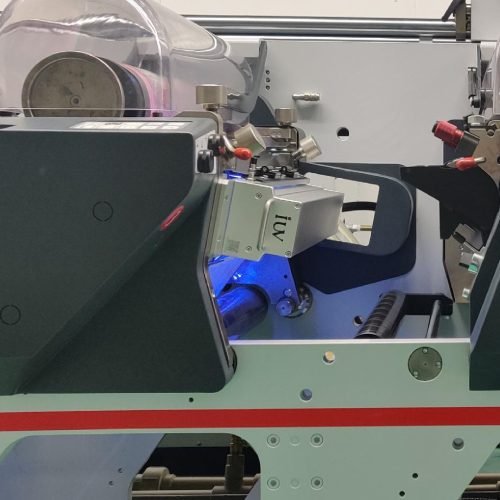
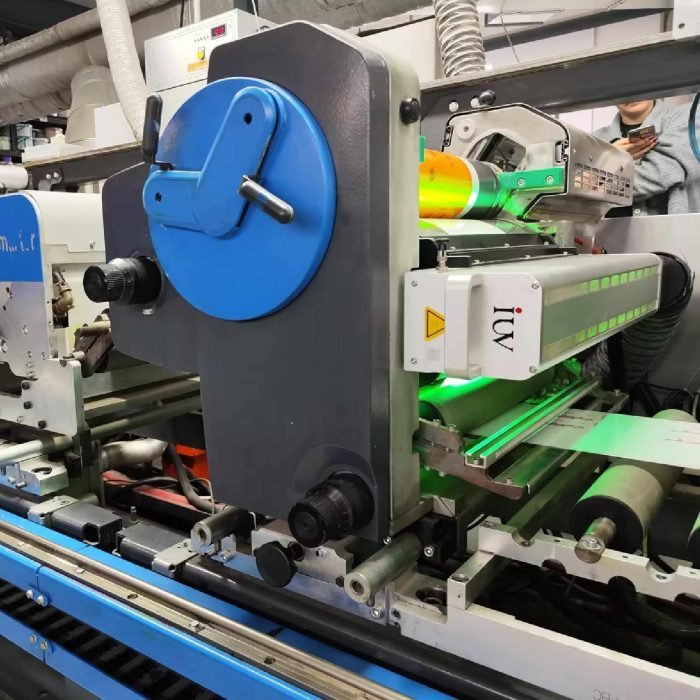
Label printers face constant pressure to balance speed, quality, and operational costs. Traditional mercury arc lamps consume excessive energy and require frequent warm-up cycles, leading to downtime. LED UV curing systems eliminate these inefficiencies by delivering instant on/off functionality. Unlike conventional lamps, LEDs emit targeted wavelengths that cure inks and coatings without overheating substrates. This precision reduces energy waste by up to 70% in label production while maintaining vibrant print quality. Narrow-web presses, commonly used for labels, benefit from compact LED units that integrate seamlessly into existing setups, slashing energy bills without compromising output.
Flexo Printing: Cutting Costs with Instant Curing
Flexographic printing relies on rapid drying to maintain high-speed workflows. Older drying methods, such as gas-powered heaters or mercury lamps, drain energy and generate excess heat. LED UV curing operates at ambient temperatures, eliminating the need for costly ventilation systems. By converting 95% of energy into usable light, LEDs reduce power consumption by over 50% compared to thermal dryers. Flexo printers using water-based or solvent inks can transition to UV-curable formulations, which cure instantly under LED light. This shift minimizes substrate warping, reduces scrap rates, and trims energy expenses linked to prolonged drying times.
Offset Printing’s Hidden Energy Savings with LED
Sheetfed and web offset printers often overlook the energy burden of conventional drying systems. Infrared heaters and hot-air dryers consume substantial electricity while struggling with inconsistent results. LED UV curing introduces a cooler, more controlled process. Inks polymerize instantly upon exposure to LED light, eliminating solvent evaporation and reducing energy use by 60–80%. LED systems also enable “cold curing,” which prevents paper distortion and allows printing on heat-sensitive materials like films or synthetic stocks. For offset shops, adopting LED technology means shorter production cycles, lower HVAC demands, and a smaller carbon footprint.
Narrow-Web Printing: Precision Meets Sustainability
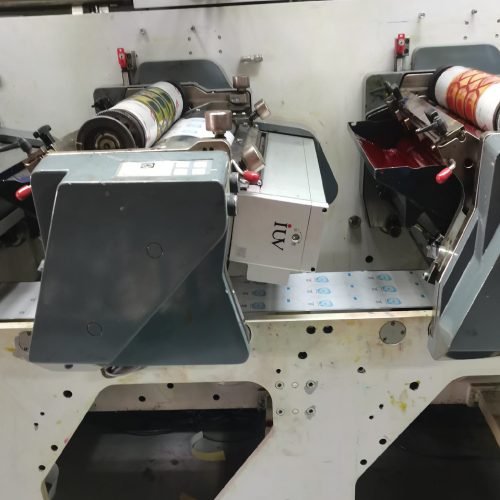
Narrow-web presses dominate short-run packaging and specialty printing, where energy efficiency directly impacts profitability. Traditional UV lamps waste energy by emitting broad-spectrum light, much of which isn’t absorbed by inks. LED arrays, however, emit narrow-band UV-A light tailored to photoinitiators in modern inks. This focused output ensures 90% energy utilization, cutting power consumption by half. Additionally, LEDs last up to 20,000 hours—10x longer than mercury lamps—reducing replacement costs and disposal fees for hazardous materials. For narrow-web converters, upgrading to LED curing slashes operational costs while supporting eco-friendly branding.
UV Curing Systems: How LEDs Outperform Traditional Methods
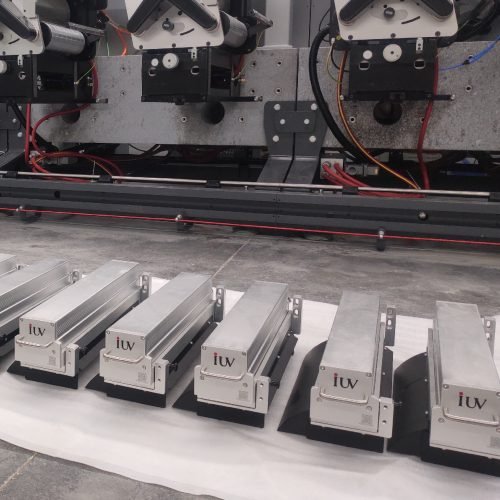
Conventional UV curing relies on mercury vapor lamps, which convert only 35% of energy into usable UV light. The rest becomes heat, forcing printers to invest in cooling systems. LED technology reverses this ratio: 95% of energy produces UV light, with minimal heat byproduct. This efficiency allows printers to downsize or eliminate chillers, compressors, and exhaust systems. LED systems also operate at full intensity immediately, unlike mercury lamps that require 5–15 minutes to warm up. For round-the-clock operations, this instant capability prevents idle energy drain during job changes or pauses.
Reducing Maintenance and Downtime
Mercury lamp systems demand regular maintenance, including bulb replacements, reflector cleaning, and electrode inspections. Each service halt disrupts production and incurs labor costs. LED curing units, with solid-state construction, have no consumable parts. Their consistent output over time ensures uniform curing quality without degradation. Printers using LEDs report 40% fewer unplanned stoppages and 30% lower annual maintenance costs. This reliability is critical for industries like pharmaceutical labeling or food packaging, where equipment uptime directly affects compliance and customer trust.
Environmental Compliance and Incentives
Global regulations increasingly restrict mercury-based technologies due to toxicity risks. The Minamata Convention, for instance, mandates phase-outs of mercury lamps, pushing printers toward alternatives like LED UV. Governments and utilities also offer rebates for energy-efficient upgrades. Printers adopting LED systems may qualify for tax credits or reduced utility rates, accelerating ROI. Beyond compliance, sustainable practices enhance brand reputation, as consumers prioritize eco-conscious suppliers.
Integrating LED Systems into Existing Workflows
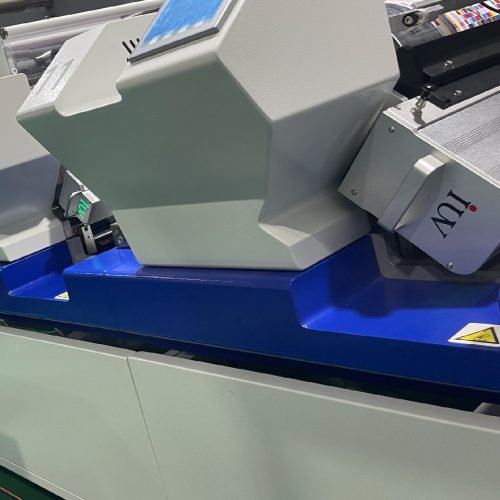
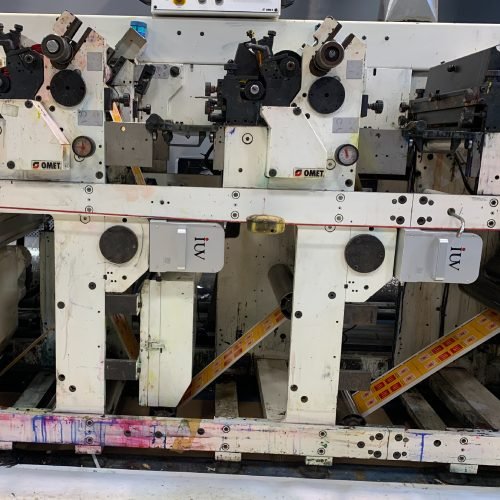
Retrofitting presses with LED UV curing doesn’t require overhauling entire production lines. Modular LED units can replace traditional lamp housings, often using the same electrical connections. Many ink manufacturers now offer formulations optimized for LED wavelengths, ensuring compatibility. For printers hesitant about upfront costs, leasing programs or phased upgrades provide flexibility. Training staff to adjust curing settings—such as lamp intensity or conveyor speed—takes minimal time, ensuring a smooth transition.
Long-Term Financial Benefits
While LED UV systems have higher initial costs than mercury lamps, their payback period typically spans 12–18 months. Energy savings, reduced maintenance, and increased productivity contribute to long-term gains. For example, a mid-sized label printer can save $25,000 annually on energy alone. Additionally, LED-cured prints often command premium pricing due to sharper detail and broader substrate compatibility. As energy prices rise, investing in LED technology future-proofs operations against volatile utility markets.
Case Study: Transitioning to LED in Flexible Packaging
A European converter specializing in flexible packaging replaced mercury lamps with LED units across six narrow-web presses. Energy consumption dropped by 68%, saving €42,000 yearly. Production speed increased 20% due to instant curing, and scrap rates fell by 15% from reduced heat distortion. The project achieved full ROI within 14 months, with ongoing savings reinforcing the strategic advantage.
Future-Proofing Your Printing Business
Adopting LED UV curing isn’t just about cutting energy costs—it’s a strategic move toward sustainable, efficient production. Printers who embrace this technology position themselves as industry leaders, attracting clients who value innovation and environmental responsibility. With advancements in LED output and ink chemistry accelerating, early adopters gain a competitive edge in markets increasingly defined by eco-regulation and cost pressures.