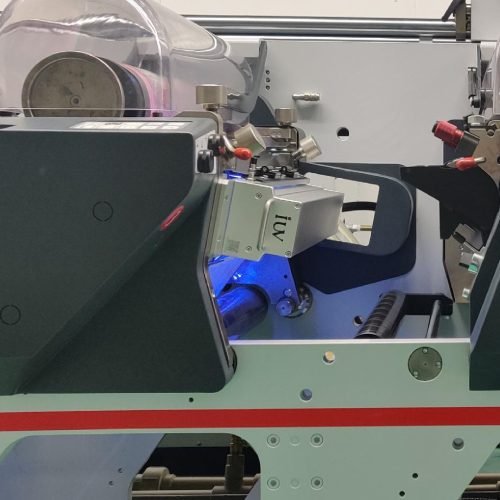
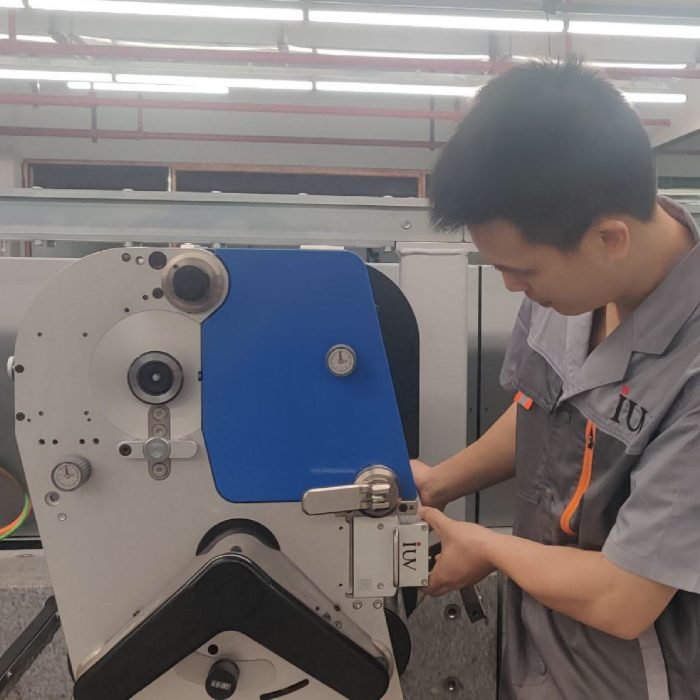
Understanding UV Curing Systems in Modern Printing
UV curing technology has transformed printing by enabling faster production, higher durability, and eco-friendly processes. Selecting the right UV curing system requires understanding your specific printing application, substrate types, and operational goals. This guide explores critical considerations for label, flexographic, offset, and narrow-web printing, focusing on LED UV curing advancements.
Key Factors in UV Curing System Selection
Every printing process demands unique curing parameters. Start by evaluating:
- Substrate Compatibility: Paper, film, metalized surfaces, and plastics react differently to UV energy.
- Ink Chemistry: Free radical or cationic inks require specific UV wavelengths for polymerization.
- Production Speed: High-speed presses need systems with rapid curing capabilities.
- Energy Efficiency: LED UV systems reduce power consumption compared to traditional mercury lamps.
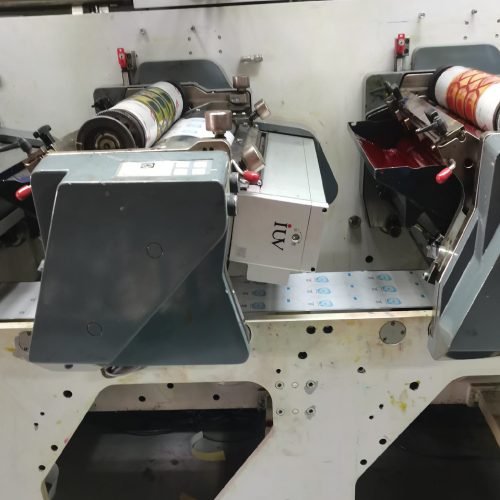
Label Printing: Precision and Speed
Label printers face tight deadlines and complex designs. UV curing ensures instant drying, preventing ink smudging on pressure-sensitive materials. For label applications:
- Opt for modular LED UV systems that adapt to variable web widths.
- Choose lamps with 365-395 nm wavelengths for optimal adhesion on synthetic substrates.
- Prioritize systems with adjustable intensity to handle metallic inks or varnishes.
LED UV’s low heat output prevents label stock warping, critical for thin films. Pairing LED systems with hybrid inks can further reduce energy costs while maintaining color consistency across long runs.
Flexographic Printing: Flexibility Meets Durability
Flexo’s versatility in packaging demands robust curing solutions. Key considerations include:
- Low Heat Emission: LED UV prevents distortion of heat-sensitive films like PE or BOPP.
- Instant On/Off Functionality: Reduces warm-up time and energy waste during job changes.
- Uniform Irradiance: Ensures even curing across uneven surfaces or embossed designs.
For water-based flexo inks, medium-pressure mercury lamps may still be viable, but LED UV dominates solvent-free applications. Newer high-power LEDs now cure thick ink layers (e.g., white underprints) without compromising substrate integrity.
Offset Printing: Balancing Power and Substrate Safety
Sheetfed and web offset presses benefit from UV curing’s ability to handle heavy ink deposits. However, excessive heat from traditional systems can damage paper stocks. Modern solutions involve:
- Dual-Cure Systems: Combine UV and infrared for coated papers requiring deep curing.
- LED-UV Hybrid Configurations: Maintain sheet stability while curing specialty inks.
- Peak Irradiance Control: Adjust settings to prevent yellowing of uncoated substrates.
For metal decorating or carton printing, high-intensity LED arrays (up to 12 W/cm²) ensure scratch-resistant finishes. Always verify the system’s compatibility with anti-setoff powders if used.
Narrow-Web Printing: Compact Efficiency
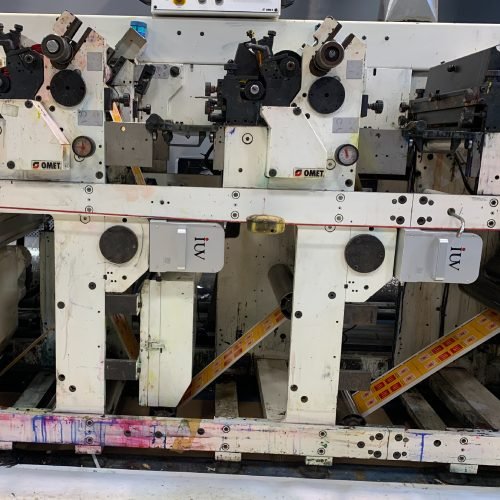
Narrow-web applications (e.g., tags, sleeves) demand space-saving curing solutions. Look for:
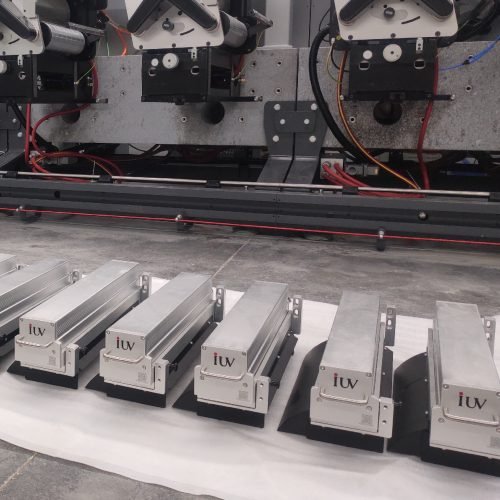
- Integrated LED Units: Slim profiles that fit retrofitted presses.
- Multi-Wavelength Options: Systems offering 385 nm and 395 nm LEDs to handle diverse inks.
- Air-Cooled Designs: Eliminate bulky external cooling systems.
Narrow-web printers often switch between jobs rapidly. LED UV systems with preset curing profiles streamline changeovers and minimize downtime.
LED UV vs. Traditional Mercury Lamps
While mercury lamps dominated for decades, LED UV offers distinct advantages:
- Longer Lifespan: 20,000 hours vs. 1,000–2,000 hours for mercury bulbs.
- Lower Energy Use: 70% less power consumption.
- Reduced Maintenance: No electrode degradation or reflector cleaning.
- ECO Compliance: Eliminates mercury disposal concerns.
However, mercury lamps still suit applications needing broad-spectrum UV output (e.g., certain clear coatings). Always cross-check ink manufacturer recommendations.
Optimizing Curing Performance
Maximize UV system efficiency with these practices:
- Regular Reflector Cleaning: Dust accumulation reduces irradiance by up to 40%.
- Oxygen Inhibition Management: Use nitrogen inerting for acrylate inks in high-speed environments.
- Substrate Pre-Treatment: Corona or flame treatment improves ink adhesion, reducing required UV dosage.
Future Trends in UV Curing
The shift toward sustainable printing drives LED UV innovation. Emerging developments include:
- Low-Migration Inks: Paired with precise LED control for food-safe packaging.
- UV-Air Hybrid Systems: Combine curing and drying in a single unit.
- Smart Sensors: Real-time monitoring of cure levels via spectral analysis.
Final Considerations
Investing in the right UV curing system impacts print quality, operational costs, and environmental compliance. Partner with suppliers offering application-specific testing and training. Request sample trials to evaluate system performance under real production conditions. By aligning technology with your printing needs, you achieve faster turnaround, superior product durability, and long-term cost savings.