Understanding UV Curing Technology in Modern Printing
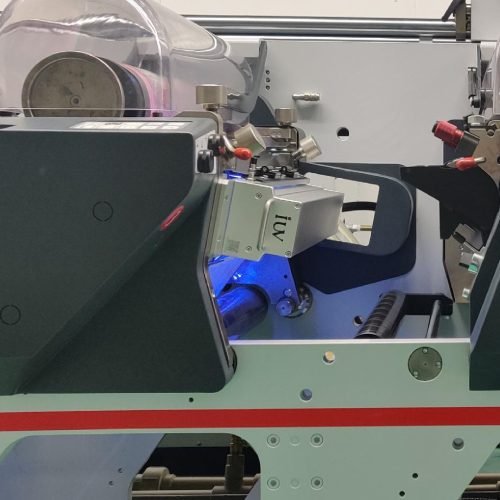
UV curing systems have revolutionized printing by enabling faster production, higher-quality output, and reduced environmental impact. Unlike traditional drying methods, UV curing uses ultraviolet light to instantly polymerize inks, coatings, or adhesives. LED UV technology, in particular, offers energy efficiency, longer lamp life, and minimal heat emission. For industries like label, flexographic, offset, and narrow-web printing, integrating UV systems into existing equipment can enhance productivity without requiring a full overhaul.
Benefits of UV Curing for Label Printing
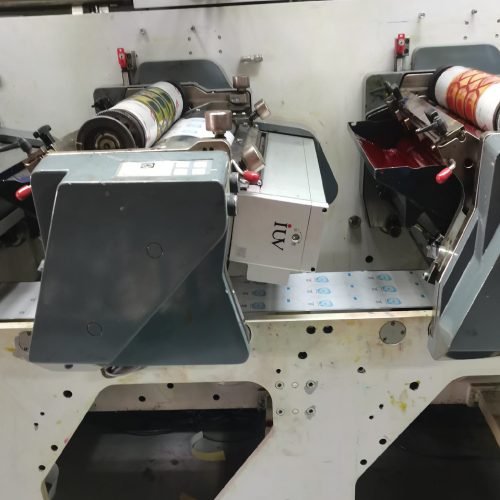
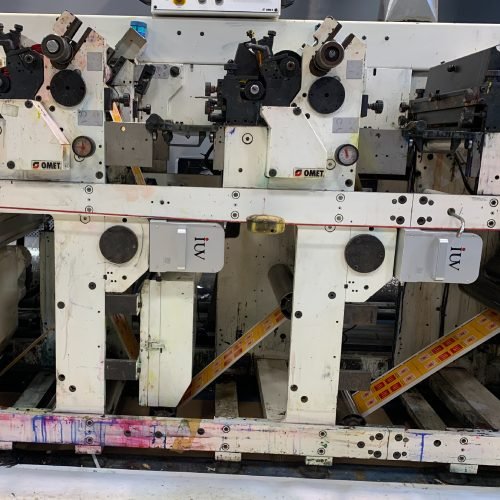
Label printing demands precision, durability, and vibrant colors. UV curing excels here by eliminating solvent evaporation, reducing dot gain, and ensuring sharp image reproduction. LED UV systems are ideal for pressure-sensitive labels, as they cure inks without warping thin substrates. Retrofit kits allow existing label presses to adopt UV curing with minimal downtime. Key considerations include selecting low-energy lamps to prevent heat damage and optimizing lamp positioning for consistent curing across high-speed workflows.
Enhancing Flexographic Printing with UV Systems
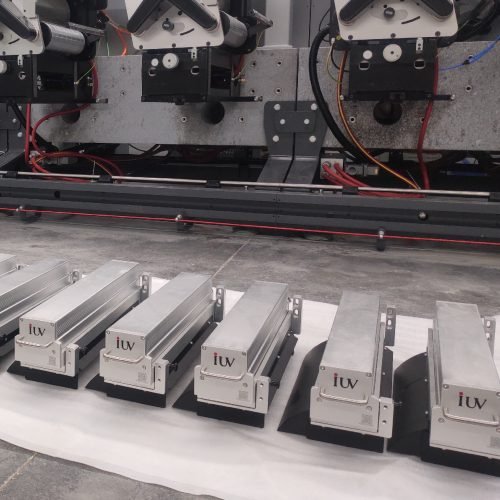
Flexographic printing relies on flexible plates and fast-drying inks for packaging, films, and corrugated materials. Integrating UV curing improves print quality by reducing ink spreading and enabling finer details. LED UV systems are advantageous for heat-sensitive substrates like polyethylene or shrink sleeves. When upgrading flexo presses, ensure compatibility between UV lamp wavelengths and ink formulations. Modular UV units can be added between print stations to cure each color layer immediately, preventing smudging and accelerating production.
Optimizing Offset Printing Through UV Integration
Offset printing benefits from UV curing’s ability to handle diverse substrates—from paper to plastics and metals. By switching to UV inks, printers achieve higher gloss levels, scratch resistance, and faster turnaround times. Retrofitting offset presses requires evaluating blanket and roller materials, as UV inks have different viscosity and adhesion properties. Dual-cure systems (combining UV and infrared) may be necessary for thick ink layers. Proper ventilation is critical to manage ozone emissions from mercury-vapor lamps, though LED UV alternatives mitigate this concern.
Narrow-Web Printing: Maximizing Efficiency with UV
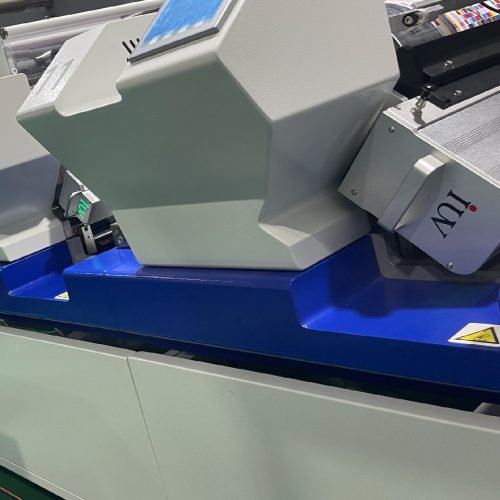
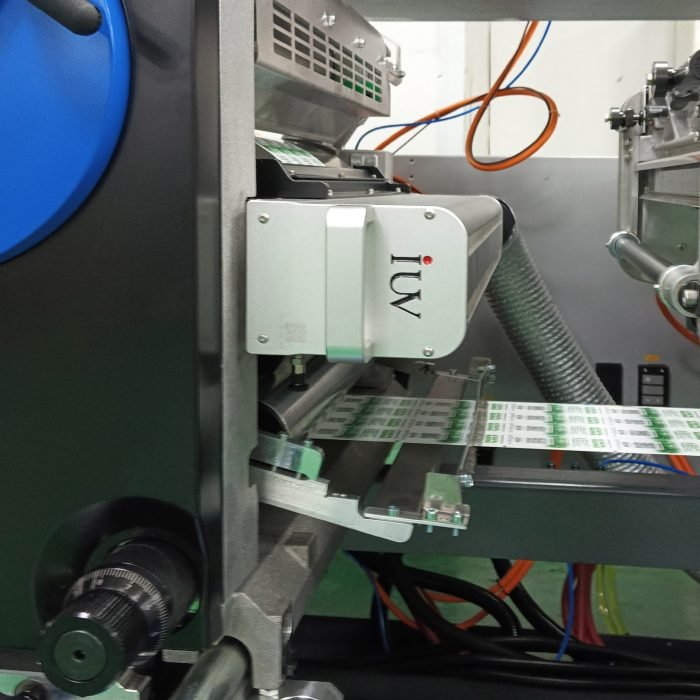
Narrow-web presses, used for labels, tags, and flexible packaging, thrive with UV curing due to their focus on short runs and customization. LED UV systems reduce energy costs and allow instant on/off functionality, ideal for intermittent operations. When integrating UV into narrow-web equipment, prioritize compact lamp designs to fit limited space. Adjustable intensity settings ensure optimal curing for varying substrate thicknesses. Additionally, UV curing enables hybrid printing (combining digital and analog processes), expanding application possibilities without compromising speed.
Key Factors for Successful UV System Integration
- Substrate Compatibility: Test UV inks and coatings on specific materials to avoid adhesion issues or deformation.
- Lamp Selection: Choose between LED, mercury-vapor, or hybrid lamps based on energy use, heat output, and ink requirements.
- Press Modifications: Assess mechanical adjustments, such as adding reflectors or cooling systems, to handle UV hardware.
- Safety Protocols: Install shielding to protect operators from UV exposure and implement ozone extraction systems.
- Maintenance Planning: Schedule regular lamp replacements and quartz tube cleaning to maintain curing efficiency.
Overcoming Common Integration Challenges
Retrofitting older equipment with UV systems may pose technical hurdles. For instance, insufficient power supply can hinder LED UV performance, while improper lamp alignment causes uneven curing. Work with UV technology providers to conduct press audits and simulate integration outcomes. Training staff to monitor curing parameters (e.g., intensity, belt speed) ensures consistent results. For water-cooled UV systems, check coolant flow rates to prevent overheating.
Future Trends in UV Curing for Printing
Advancements in UV-LED technology continue to lower costs and expand applications. Innovations like wavelength-specific LEDs allow curing of specialized inks, while IoT-enabled systems provide real-time curing analytics. As sustainability becomes a priority, UV curing’s solvent-free process and energy-efficient LEDs align with eco-friendly printing practices.
Integrating UV curing into existing printing equipment is a strategic investment for enhancing quality, speed, and versatility. By addressing technical requirements and leveraging modern LED solutions, printers across label, flexo, offset, and narrow-web sectors can stay competitive in evolving markets. Partner with experienced UV system providers to design a tailored integration plan that aligns with production goals.