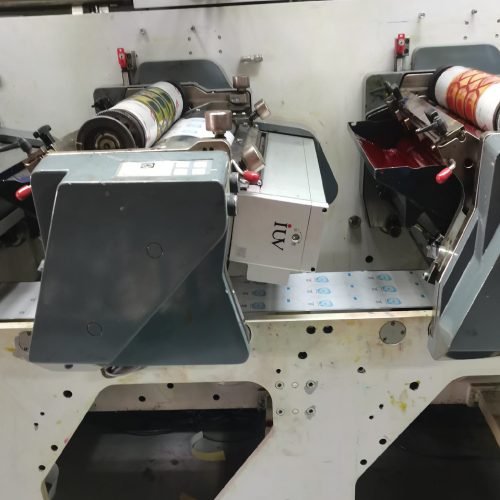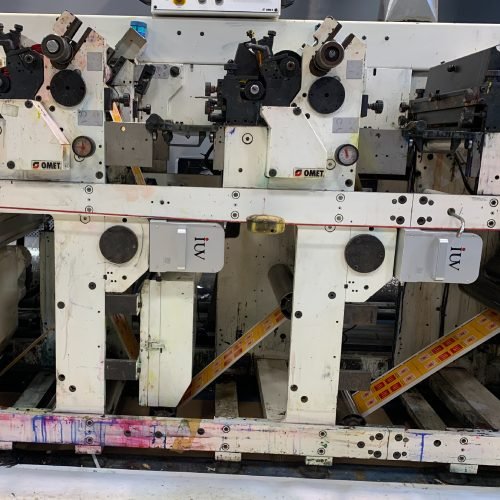
Flexo printing has become a cornerstone of modern label manufacturing, offering unmatched versatility for industries ranging from food packaging to pharmaceuticals. Unlike traditional methods, this technique uses flexible photopolymer plates to transfer ink onto substrates, making it ideal for high-speed, high-volume production. Its adaptability to materials like film, paper, and metallized surfaces positions it as a go-to solution for brands requiring durable, visually striking labels.
Flexo vs. Offset: Why Flexibility Matters
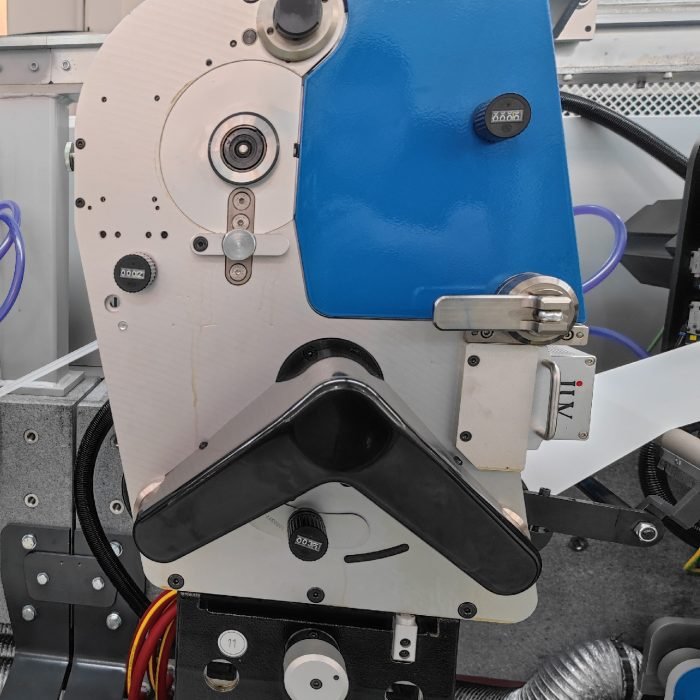
While offset printing excels in detailed graphics on flat surfaces, flexo thrives in variable applications. Rotary die-cutting units integrated into flexo presses allow simultaneous printing and shaping of labels, reducing production steps. The process supports water-based, solvent, and UV-curable inks, enabling customization for moisture-resistant beverage labels or heat-tolerant industrial tags. Narrow web flexo presses, often 20 inches or narrower, dominate short-to-medium runs, providing cost efficiency for seasonal products or limited editions.
LED UV Curing: Revolutionizing Drying Speeds
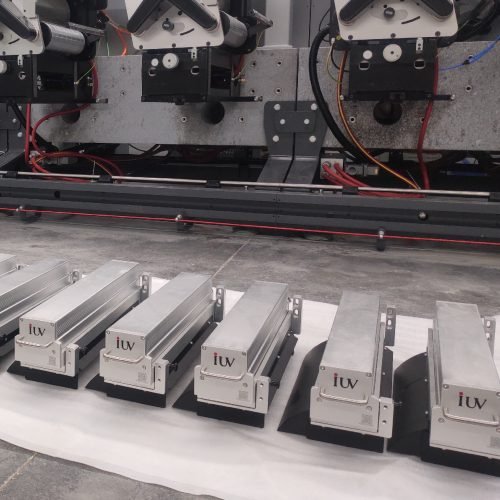
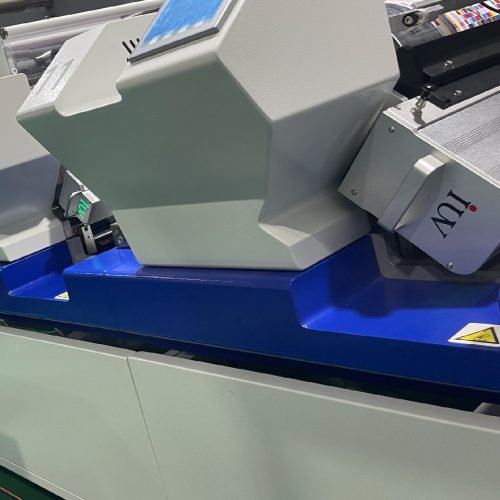
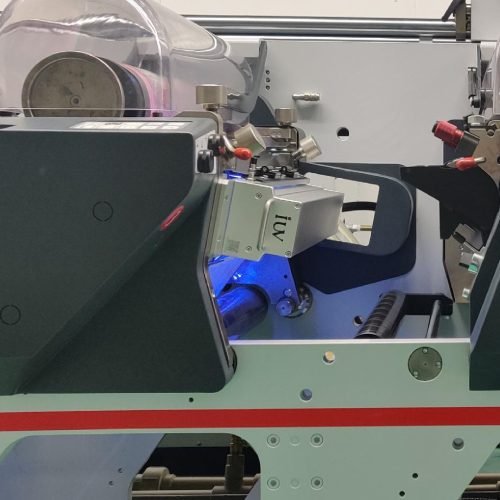
Traditional drying methods often bottleneck production, but LED UV curing eliminates this hurdle. By emitting precise wavelengths to instantly polymerize inks and coatings, this technology slashes energy use by 70% compared to mercury-vapor lamps. Labels emerge dry and smudge-free, enabling immediate finishing processes like laminating or embossing. For temperature-sensitive materials such as thin films, LED UV’s cool operation prevents warping – a critical advantage in pharmaceutical labeling where dimensional stability is non-negotiable.
Sustainability Through Advanced Inks
Modern flexo inks reflect the industry’s eco-conscious shift. UV-curable formulations contain 0% VOCs, aligning with global regulations like EU’s EuPIA standards. Water-based options have gained traction in food packaging, eliminating solvent migration risks. A recent study showed flexo-printed labels using LED curing reduced carbon footprint by 40% versus conventional methods, driven by lower power consumption and reduced waste from faster job changeovers.
Precision Meets Automation
Today’s flexo presses integrate AI-driven color management systems that maintain ±0.1 Delta E accuracy across rolls. Automated plate mounting reduces setup time by 30%, while vision inspection systems flag defects at 120 meters/minute. These advancements make flexo viable for security labels requiring microtext or sequential numbering – previously the domain of digital printing.
Narrow Web Innovations
The rise of hybrid presses combining flexo with digital units addresses growing demand for variable data. A beverage company can now print 100,000 base labels with flexo, then add batch-specific QR codes digitally without slowing production. Such configurations achieve 30% faster turnaround than pure digital systems for medium volumes.
Future-Proofing Label Production
As smart packaging gains momentum, flexo adapts through conductive inks for NFC tags and augmented reality markers. New plate technologies achieve 200 lpi resolution, rivaling offset for photorealistic imagery. With LED UV systems now lasting 20,000 hours, the total cost per label continues to drop, ensuring flexo’s dominance in an era where customization and speed define market success.
For brands seeking labels that withstand supply chain rigors while maintaining visual impact, modern flexo printing delivers. Its synergy with LED UV curing creates a responsive, eco-efficient production chain – exactly what today’s fast-moving consumer markets demand.