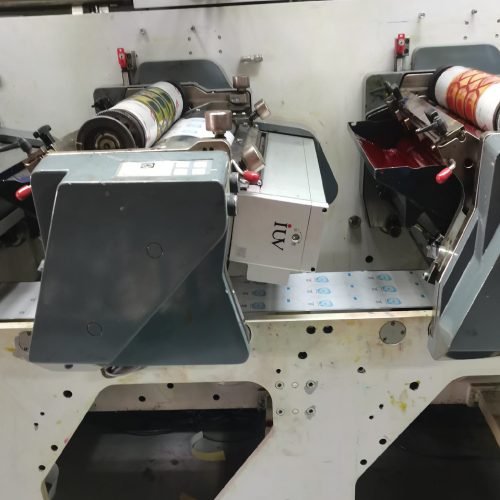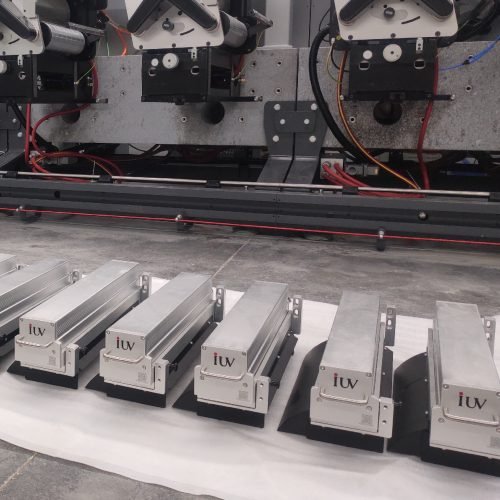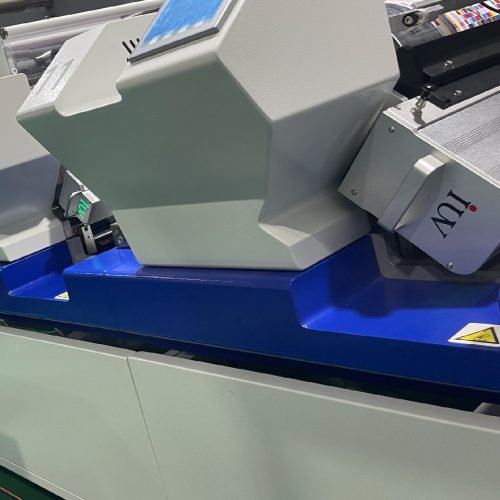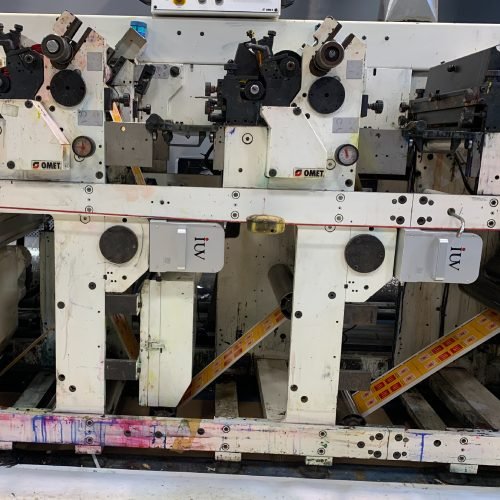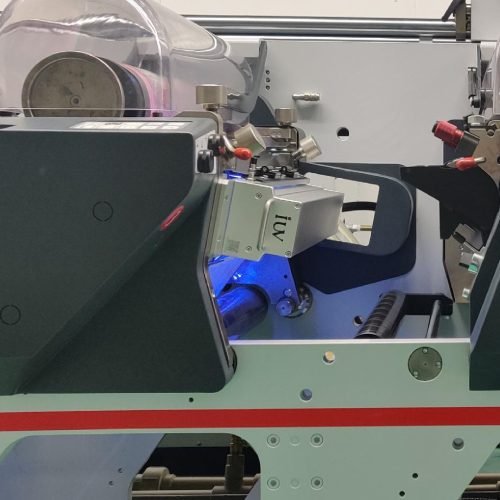
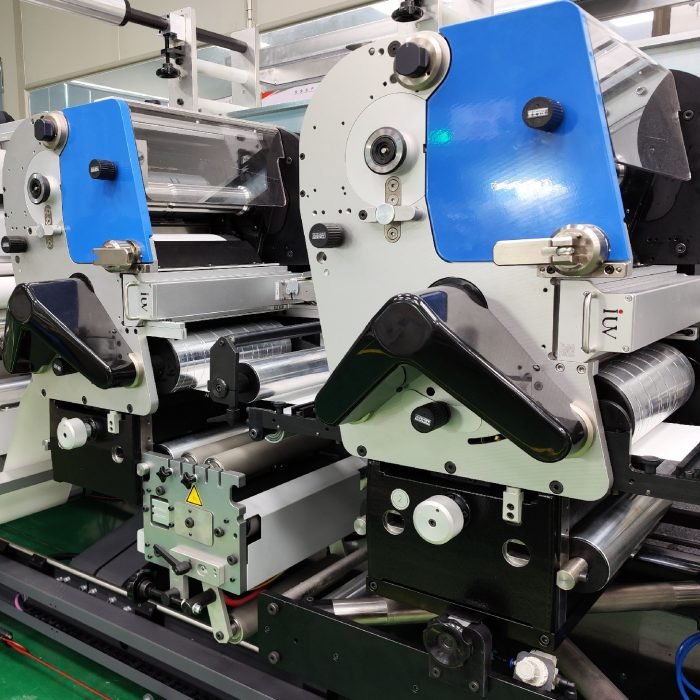
The printing industry’s shift toward smarter, faster, and greener workflows has made the integration of UV curing systems with automation a game-changer. For sectors like label, flexo, offset, and narrow web printing, this combo isn’t just about keeping up—it’s about redefining what’s possible. Let’s break down how these technologies work together and why they’re transforming production floors.
UV Curing 101: Speed Meets Precision
Modern LED-UV curing systems have ditched the bulky mercury lamps of the past. Today’s units use targeted wavelengths (365-405 nm) to instantly polymerize inks and coatings. This isn’t just a neat trick—it eliminates drying racks, slashes energy use by up to 70%, and lets printers handle heat-sensitive substrates like thin films or shrink sleeves without warping. The kicker? Cured prints achieve scratch resistance and gloss levels that traditional methods struggle to match.
Automation’s Role in the Mix
Pair UV systems with automated workflows, and you’ve got a symphony of efficiency. Imagine a narrow web press where sensors adjust curing intensity based on substrate thickness detected in real-time. Or a label printer where automated conveyors sync UV exposure duration with line speed, maintaining perfect cure rates whether you’re running 50 or 500 meters per minute. These aren’t futuristic concepts—they’re current solutions cutting changeover times by 30% and reducing waste from test runs.
Flexo’s Quiet Revolution
In flexographic printing, where quick-drying inks are non-negotiable for high-speed jobs, UV curing has become the backbone of consistency. Automated plate mounting systems now integrate with UV units to adjust curing parameters based on plate depth and ink volume. A printer running PVC labels can switch to paper stock mid-job, and the system automatically dials down UV intensity to prevent scorching while maintaining cure quality.
Offset’s New Playbook
Sheetfed offset shops are leveraging UV automation to tackle short-run packaging jobs profitably. One press operator can manage ink formulation, coating application, and curing parameters through a single interface. UV’s instant cure capability allows stacking sheets immediately—no more waiting hours for oil-based inks to dry. For metallic or textured coatings, automated systems fine-tune UV spectra to optimize adhesion without over-curing.
Labels: Where Flexibility Rules
The label sector thrives on versatility, and UV/automation delivers. A single modular press can handle everything from wine bottle labels requiring subtle textures to industrial tags needing chemical resistance. Automated color matching systems now interface with UV curing units to compensate for how different pigments absorb UV light. Printing a neon pink label? The system adjusts curing time and wavelength to prevent under- or over-polymerization.
Narrow Web’s Efficiency Leap
In narrow web printing, where substrates change faster than a TikTok trend, integrated systems are king. New hybrid machines combine flexo, screen, and digital stations with UV curing tunnels that auto-adjust based on ink deposition thickness. A job switching from opaque white inks to translucent varnishes triggers the UV system to modulate intensity, ensuring both cure thoroughly without energy waste.
The Sustainability Angle
Beyond speed, the UV/automation combo tackles environmental goals head-on. LED-UV systems generate 50% less heat than conventional setups, reducing HVAC loads. Automated ink delivery systems paired with UV’s 95% transfer efficiency minimize solvent use. Some plants report VOC reductions of 80% after switching, while energy-smart curing protocols cut carbon footprints without sacrificing output quality.
Maintenance Made Smarter
Predictive maintenance tools now monitor UV lamp life, reflector cleanliness, and cooling system performance. Instead of fixed replacement schedules, sensors track output spectra and trigger service alerts only when efficiency drops below thresholds. This approach extends component life by 40% in many cases while preventing unplanned downtime.
Training for the Transition
Adopting these systems isn’t just about buying hardware—it’s about rethinking workflows. Forward-thinking manufacturers offer simulation software that lets press teams practice job changeovers and troubleshooting in virtual environments. AR-guided maintenance apps overlay real-time diagnostics onto equipment, helping technicians replace UV LEDs or calibrate sensors faster.
The fusion of UV curing and automation isn’t another incremental upgrade—it’s a complete reimagining of print production. From labels that pop off the shelf to packaging that survives brutal logistics, this synergy gives printers the tools to compete in markets where adaptability and sustainability are no longer optional. As substrate diversity grows and run lengths shrink, those who master this integration will define the next era of print.