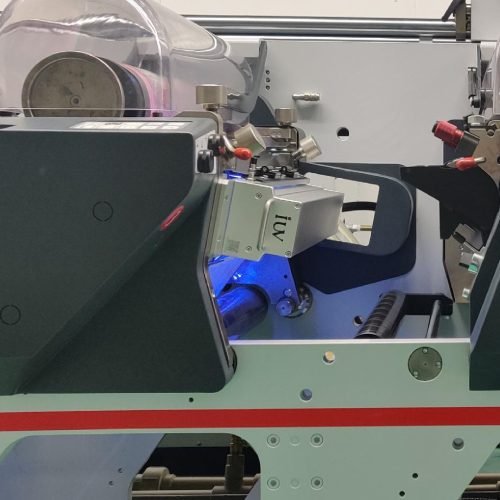
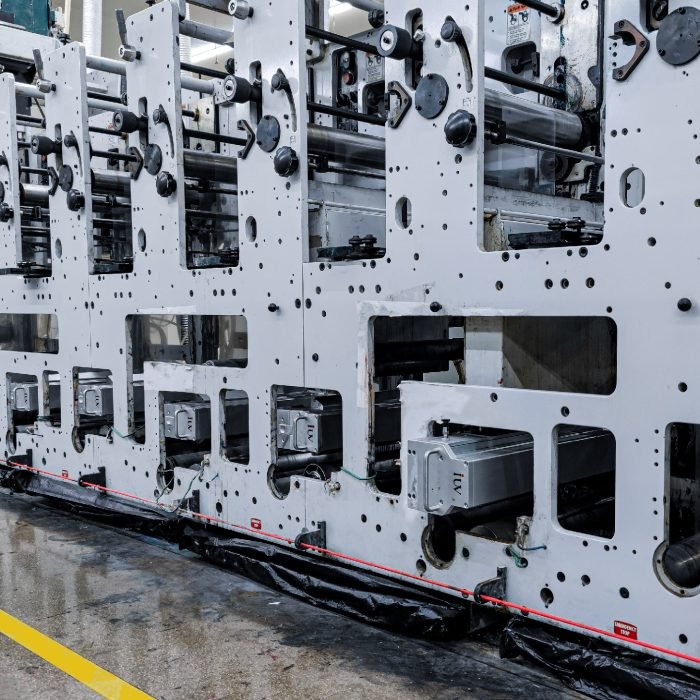
When it comes to vibrant, eye-catching printed products, metallic inks and foil applications have always been a premium choice. They add a level of sophistication and appeal that standard inks simply cannot match. However, achieving consistent, high-quality results with these special substrates requires precise control over the curing process, especially in demanding applications like narrow web printing, flexography, and offset lithography. This is precisely where high-intensity LED curing systems are revolutionizing the industry.
Traditional UV curing methods often rely on mercury vapor lamps. While effective for many years, these lamps come with significant drawbacks. They generate substantial heat, which can be detrimental to heat-sensitive foils and substrates. They also have a limited lifespan, requiring frequent replacement and maintenance. Furthermore, their energy consumption is high, impacting operational costs and environmental footprint. The inconsistent UV output spectrum of mercury lamps can also lead to uneven curing, affecting print quality and durability.
The Power of High-Intensity LED Curing
High-intensity LED curing systems offer a dramatically different and superior approach. Instead of a broad, heat-generating spectrum, LEDs emit very specific wavelengths of UV light. This targeted output is incredibly efficient. For metallic and foil printing, this means several key advantages.
Firstly, LEDs produce significantly less heat than mercury lamps. This is critical when working with delicate metallic foils and films that can easily warp, bubble, or delaminate under excessive heat. The reduced thermal load allows for faster processing speeds without compromising the integrity of the material.
Secondly, LEDs are incredibly durable and have a much longer operational life, often exceeding 20,000 hours. This translates into reduced downtime, lower maintenance costs, and a more predictable production schedule. They also offer instant on/off capabilities, which is ideal for high-speed intermittent printing processes commonly found in narrow web label production.
Tailored Wavelengths for Optimal Performance
A significant advantage of LED technology is its ability to be manufactured to emit specific UV wavelengths. For printing inks and coatings, the most common UV wavelengths used for curing are in the UVA (320-400 nm) and UVB (280-320 nm) ranges. High-intensity LED systems can be precisely tuned to output peak wavelengths that perfectly match the photoinitiators within the ink or coating formulation.
This precise wavelength targeting is especially crucial for metallic and foil effects. Metallic inks often contain metallic pigments that can reflect or scatter UV light. Standard mercury lamps might not efficiently deliver the correct wavelengths to the photoinitiators trapped within the ink layer, leading to incomplete curing and poor adhesion. High-intensity LEDs, with their focused spectral output, ensure that the photoinitiators absorb the UV energy effectively, leading to a more complete and robust cure. This results in enhanced gloss, scratch resistance, and chemical resistance—features that are paramount for premium printed labels and packaging.
Enhancing Metallic and Foil Print Quality
The application of metallic inks and foils demands superior adhesion and a flawless finish. High-intensity LED curing plays a vital role in achieving both.
In flexographic printing, particularly for narrow web labels, the speed of the press is a major factor. LED curing allows for rapid curing of inks on a variety of substrates, including films and foils. This means printers can achieve faster line speeds without sacrificing ink adhesion or surface finish. The precise curing also ensures that the metallic effect is consistently vibrant across the entire print run, preventing dull spots or uneven sheen.
For offset lithography, especially in sheetfed applications where intricate designs and fine details are common, LED curing provides excellent control. The lower heat output prevents ink set-off and ghosting, common issues with conventional UV. The consistent energy delivery ensures that even dense metallic ink coverage cures thoroughly, leading to a sharp, high-definition metallic appearance.
Foil printing itself, whether it’s hot foil stamping or cold foil application, benefits immensely. When used in conjunction with UV-curable adhesives or overprint varnishes, high-intensity LEDs ensure rapid and complete curing. This is vital for achieving strong adhesion of the foil, preventing peeling or delamination, and ensuring the foil remains brilliant and intact under various conditions. The ability to cure thin layers of adhesive or varnish without overheating the foil is a game-changer.
Addressing Specific Printing Challenges
- Substrate Compatibility: Metallic foils and films can be sensitive to heat. High-intensity LEDs, with their minimal heat generation, make it possible to print on a wider range of heat-sensitive materials without distortion or damage. This opens up new creative possibilities for designers and brand owners.
- Adhesion and Durability: The intense, focused UV output from LED systems promotes excellent cross-linking of ink and coating polymers. This leads to superior adhesion to challenging substrates like PET, OPP, and various metallic films. The resulting prints are more resistant to abrasion, scratching, chemicals, and outdoor exposure, ensuring the longevity of the metallic and foil effects.
- Color Brilliance and Gloss: The precise curing achieved with LEDs helps to lock in the vibrancy and gloss of metallic inks. By ensuring complete polymerization, the surface remains smooth and reflective, maximizing the metallic shimmer. This is particularly important for high-end packaging, labels, and decorative applications where visual impact is key.
- Environmental and Economic Benefits: Beyond the technical advantages, high-intensity LED curing systems are more energy-efficient than traditional UV systems. They consume less power and do not contain mercury, making them a more environmentally friendly choice. The longer lifespan of LEDs also reduces waste from lamp replacements.
Integration into Existing Presses
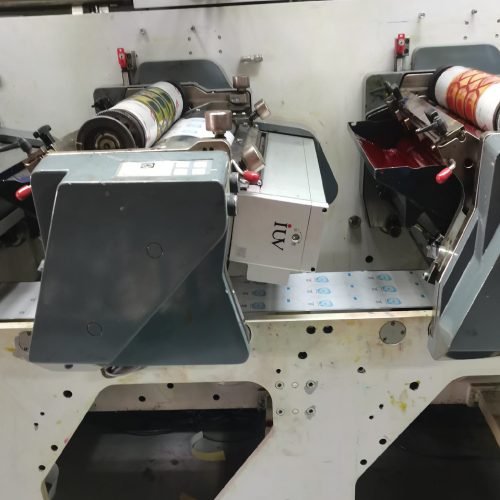
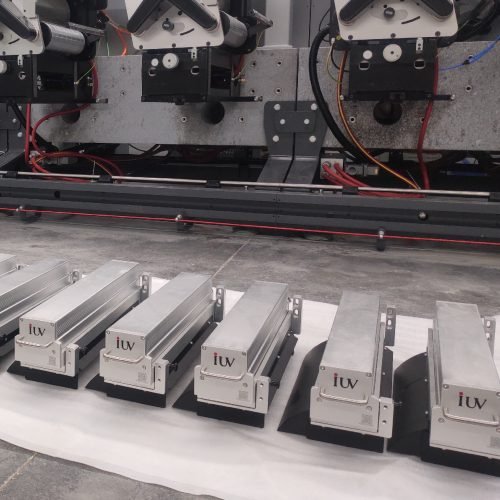
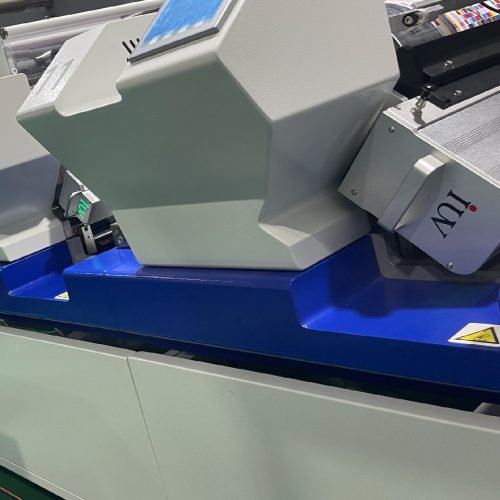
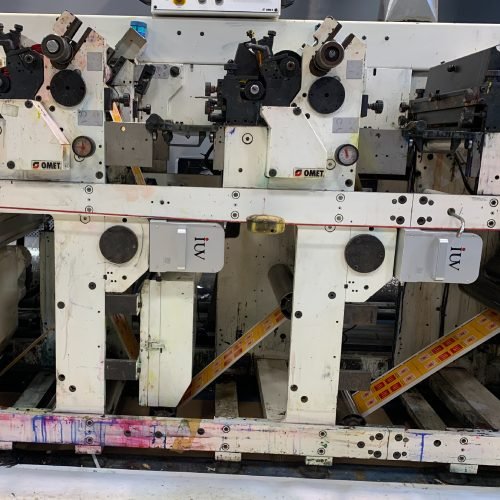
Modern high-intensity LED curing systems are designed for seamless integration into existing narrow web flexographic presses, sheetfed offset presses, and other printing equipment. They can be retrofitted or specified as original equipment. The compact design of LED lamps allows them to be easily mounted in limited spaces, providing flexibility for printers looking to upgrade their curing capabilities.
The control systems for LED units are also highly sophisticated, allowing for precise adjustment of power output and exposure time. This level of control is essential for fine-tuning the curing process for different ink types, substrate thicknesses, and printing speeds.
The Future is Bright (and Metallic)
As the demand for premium finishes and eye-catching graphics continues to grow, the role of advanced curing technology becomes increasingly critical. High-intensity LED curing systems are no longer a niche technology; they are rapidly becoming the standard for printers looking to excel in metallic and foil applications.
By offering superior control over heat, precise wavelength targeting, and enhanced energy efficiency, these systems empower printers to achieve unparalleled quality, durability, and visual impact. Whether you are working in narrow web flexo, offset, or other specialized printing processes, investing in high-intensity LED curing is a strategic move that will undoubtedly elevate your metallic and foil printing capabilities to new heights, ensuring your prints stand out in a crowded marketplace.